


 English
 Türk
Türk
SEARCH
HOT PRODUCTS
Newsletter
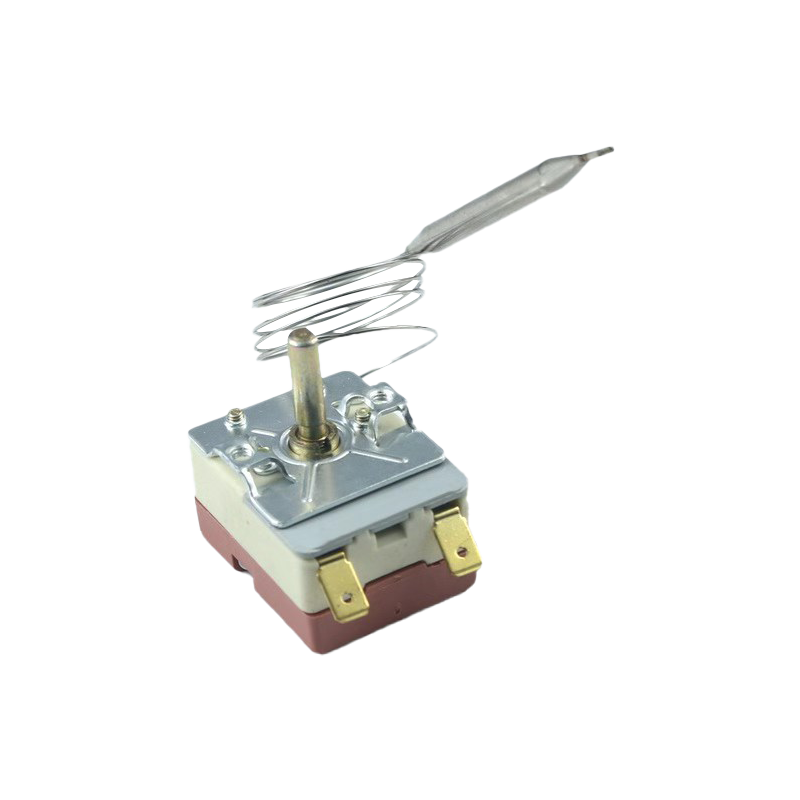
Why Your Manual Reset Capillary Thermostat Won't Reset After Cooling?
In temperature control systems, safety cut-off devices are designed to stop operation when abnormal heat levels are detected. A Manual Reset Capillary Thermostat is one of these safety components, and it requires manual intervention after a trip condition. In some situations, users notice that the device does not reset even after the system has cooled down, which can bring abut to confusion during troubleshooting.
Understanding how this device operates helps clarify why a reset may not occur immediately after temperature drops.
How Manual Reset Mechanism Works
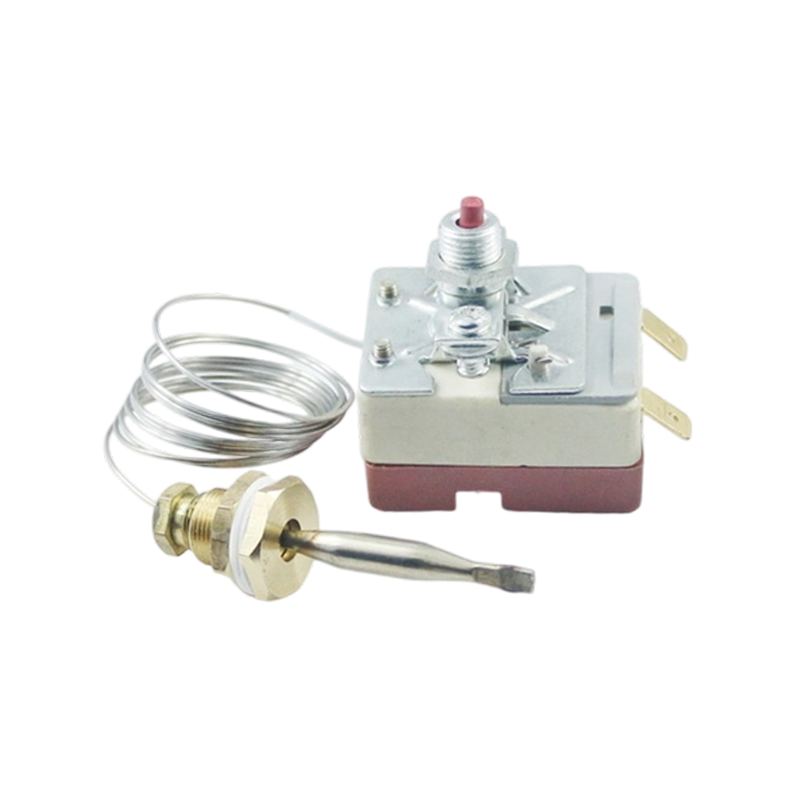
A Manual Reset Capillary Thermostat operates through a mechanical switching structure. When the temperature exceeds a preset limit, the internal mechanism triggers a disconnection of the electrical circuit.
After this event, the thermostat remains in a locked state. Even if the surrounding temperature decreases, the circuit will not reconnect automatically. A physical reset action is required to restore operation.
This behavior is intentional and is designed to ensure that the system is inspected before restarting.
Temperature Has Not Fully Stabilized
One common reason for reset failure is that the system has not fully returned to a stable temperature condition.
Although the environment may feel cooler, the sensing bulb connected through the capillary tube may still retain heat. If the internal sensing element has not dropped below its reset threshold, the mechanism will remain in a tripped state.
This delay can be affected by:
- Heat retention in surrounding components
- Slow cooling of enclosed spaces
- Residual heat in heating elements
- Mechanical Reset Limitation
The reset function depends on an internal mechanical structure. If the reset button does not respond, it may be due to mechanical resistance inside the device.
Possible contributing factors include:
- Internal spring tension imbalance
- Wear of mechanical parts over time
- Sticking of internal components due to repeated thermal cycling
These conditions can prevent smooth movement of the reset mechanism even when temperature conditions are normal.
Electrical Contact Condition
In some cases, the reset issue is related to the electrical contact inside the thermostat.
When overheating occurs, electrical contacts may experience stress. After repeated cycles, the contact surfaces may become less responsive.
Possible conditions include:
- Contact oxidation
- Carbon buildup on switching surfaces
- Partial welding of contacts due to high current load
These factors can affect the ability of the device to return to normal switching behavior.
Capillary Tube and Sensor Issues
The capillary system plays an important role in temperature detection. If there is a problem within this structure, reset behavior may also be affected.
Possible issues include:
- Leakage in the capillary tube
- Loss of pressure in the sensing system
- Improper positioning of the sensing bulb
- Physical damage to the capillary line
When the sensing system is not functioning correctly, the thermostat may remain in a safety state.
Installation Position Influence
Installation conditions can also influence reset behavior. If the sensing bulb is placed too close to a heat source, it may continue detecting elevated temperature even after the system shutdown.
Other installation-related factors include:
- Poor ventilation around the sensing area
- Direct exposure to residual heat sources
- Incorrect mounting position inside the equipment
These factors can delay the return to normal operating conditions.
Reset Button Operation Problems
The reset button itself may also contribute to the issue.
Common factors include:
- Button stuck due to dust or debris
- Excessive force required due to internal wear
- Limited travel distance caused by mechanical fatigue
In such cases, the device may appear unresponsive even though temperature conditions are normal.
Diagnostic Approach
When a Manual Reset Capillary Thermostat does not reset, a structured check can help identify the cause:
- Verify the actual temperature at the sensing point
- Inspect the capillary tube for physical damage
- Test the reset button movement manually
- Check the electrical continuity of contacts
- Review installation position and heat exposure
These steps help narrow down whether the issue is thermal, mechanical, or electrical.
Preventive Considerations
To reduce reset-related issues, several preventive measures are commonly applied:
- Avoid prolonged operation near the limit temperature
- Ensure proper airflow around the sensing area
- Select an appropriate load rating for the application
- Perform periodic inspection of mechanical components
These practices help maintain stable operation over time.
System Behavior Perspective
It is important to understand that the reset function is not designed for immediate recovery after cooling. Instead, it is intended to enforce a safety review step after any overheating event.
Therefore, a delayed or unavailable reset often indicates that the system has entered a protective state that requires inspection rather than immediate restart.
A Manual Reset Capillary Thermostat may not reset after cooling due to a combination of thermal stabilization delay, mechanical resistance, electrical contact condition, or installation factors. The reset behavior is intentionally designed to ensure that any overheating event is properly checked before the system resumes operation.
OUR PRODUCTS
Recommended Products


PLEASE LEAVE YOUR SPECIFIC REQUIREMENT

QUICK LINKS
PRODUCTS
CONTACT
-
+86-15957748531
+86-15558959105
+86-19588099846
+86-18815077137 -
jilly@wzleh.com
east@wzleh.com
scott@wzleh.com
kim@wzleh.com
ADDRESS
- STI Park #B-2, Hongqiao Yueqing City, Zhejiang, China, 325608


Leheng Thermostat Factory
Copyright © Wenzhou Leheng Technology Co., Ltd. All Rights Reserved.