


 English
 Türk
Türk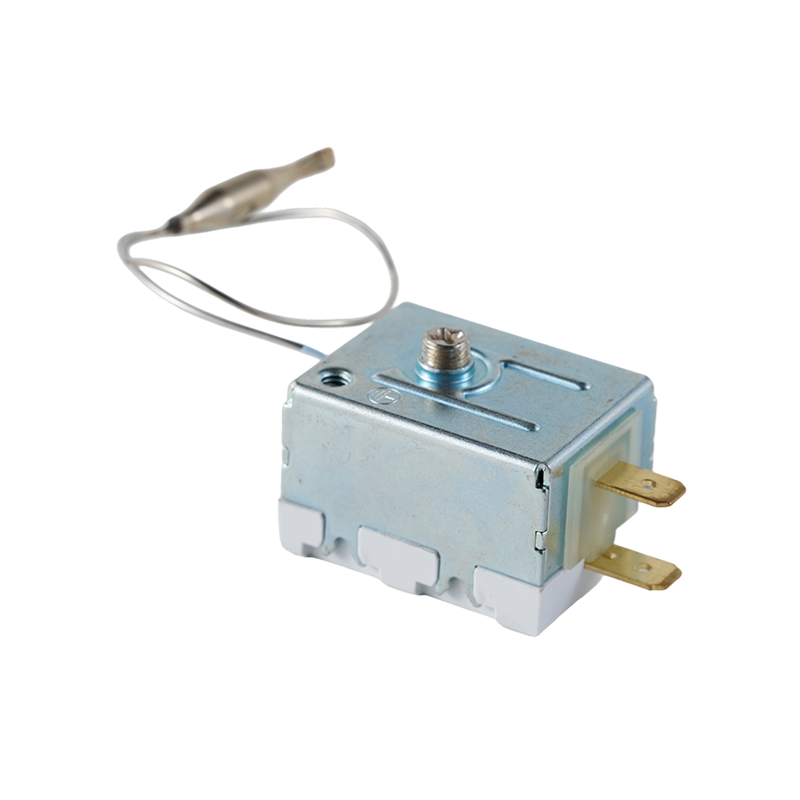
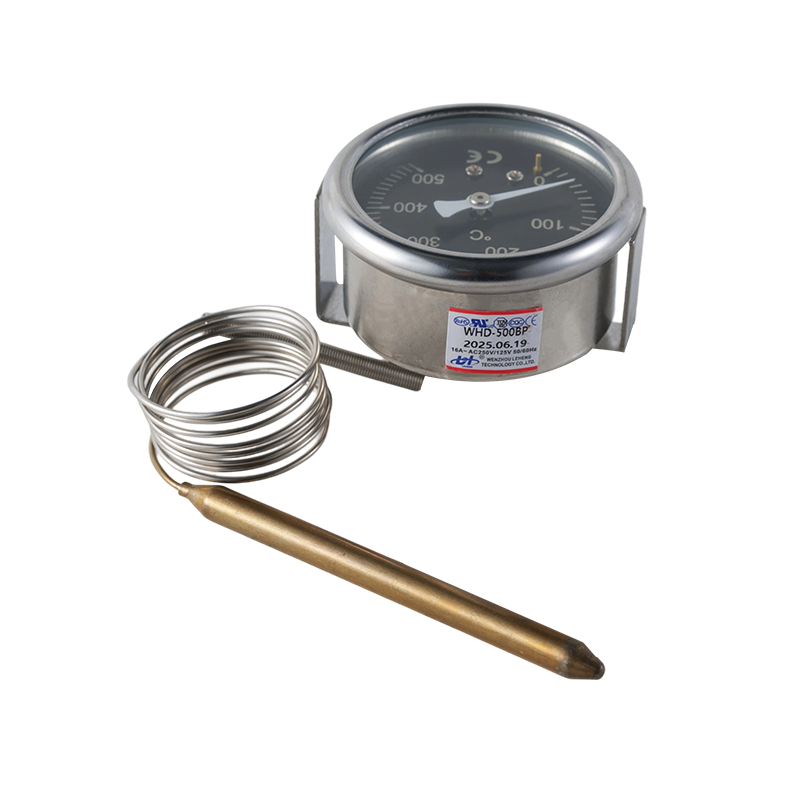

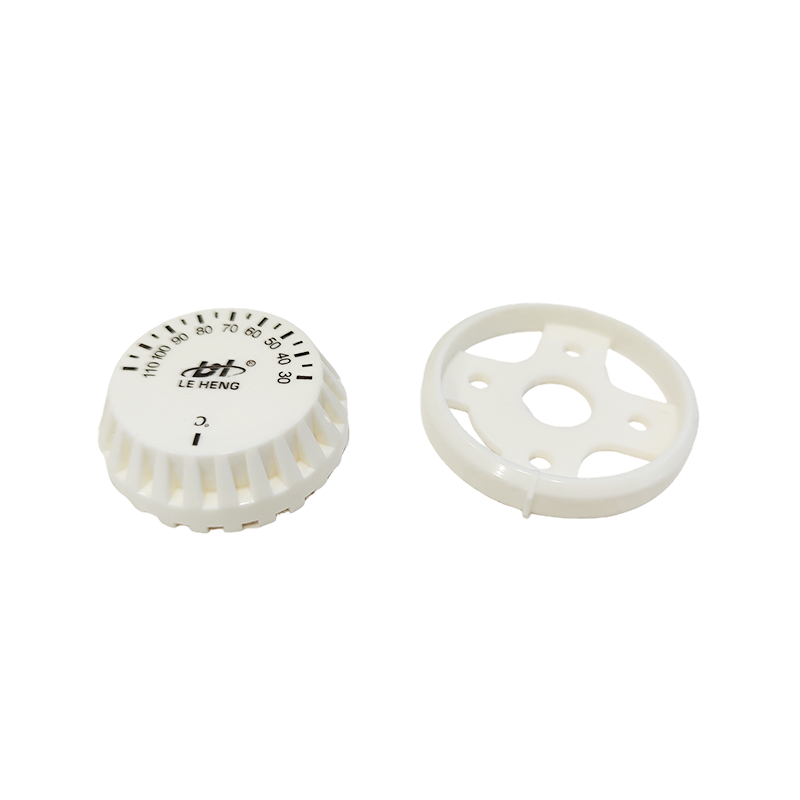
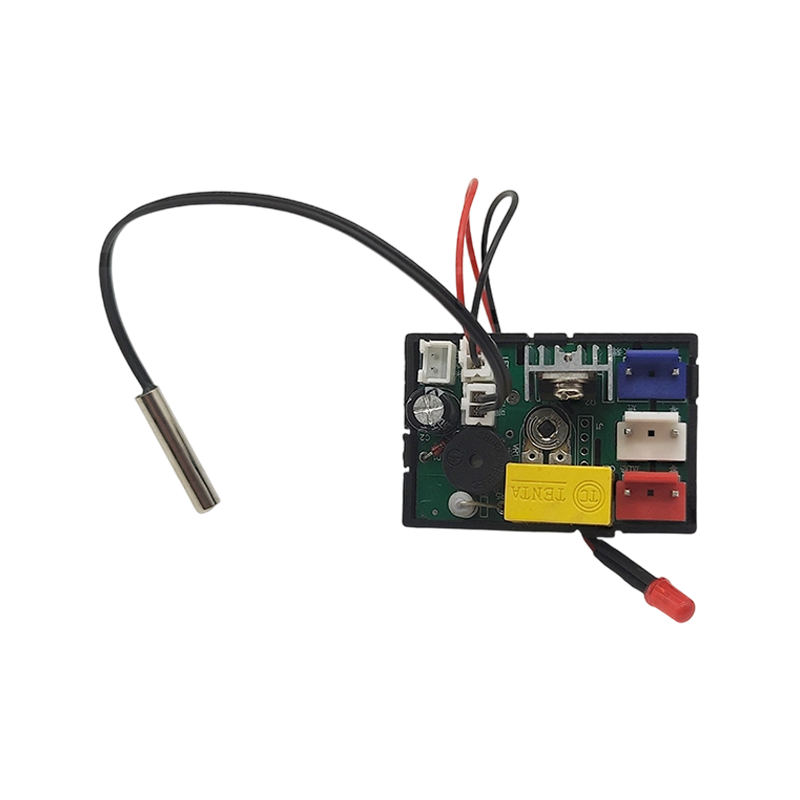
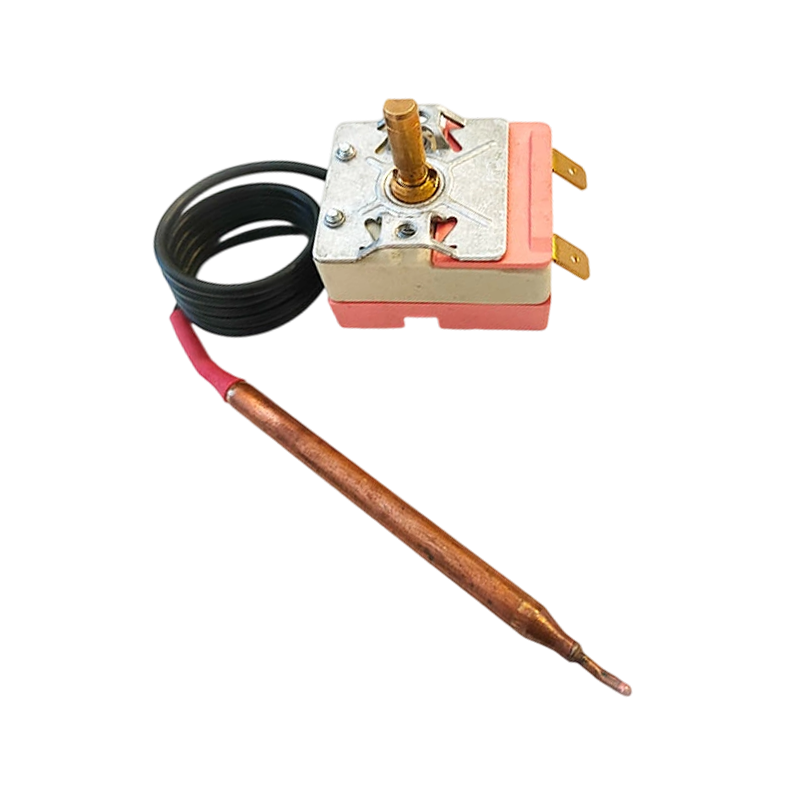
The WHD-E-CU is a copper adjustable capillary temperature controller designed for adjustab...
SEARCH
CATEGORY
Temperature Thermostat
-

-
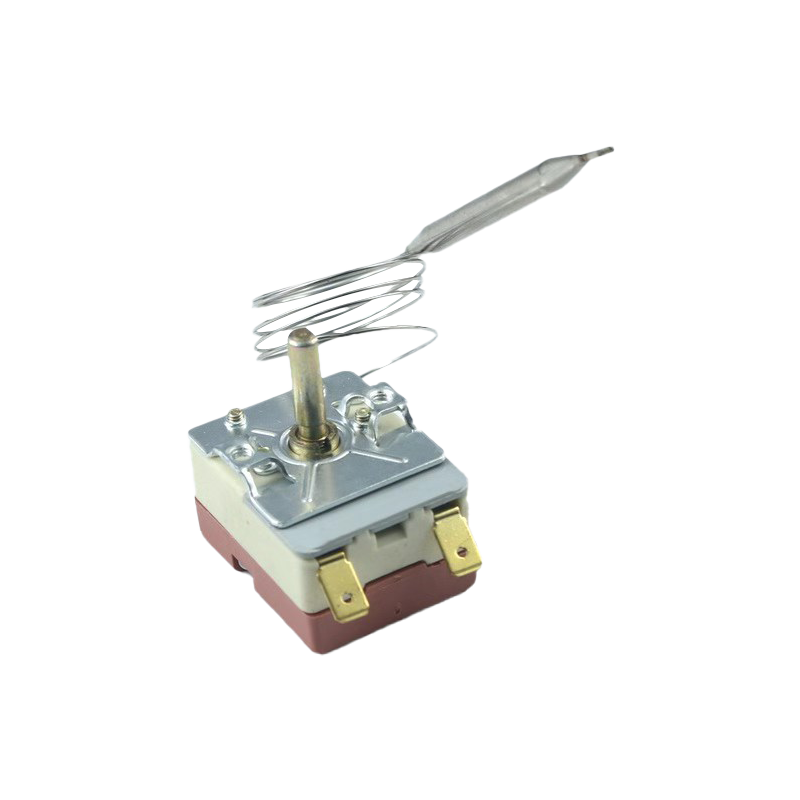 Stainless Steel Adjustable Capillary Temperature Controller
The stainless steel adjustable capillary thermostat is a mechanical temperature regulating...
-
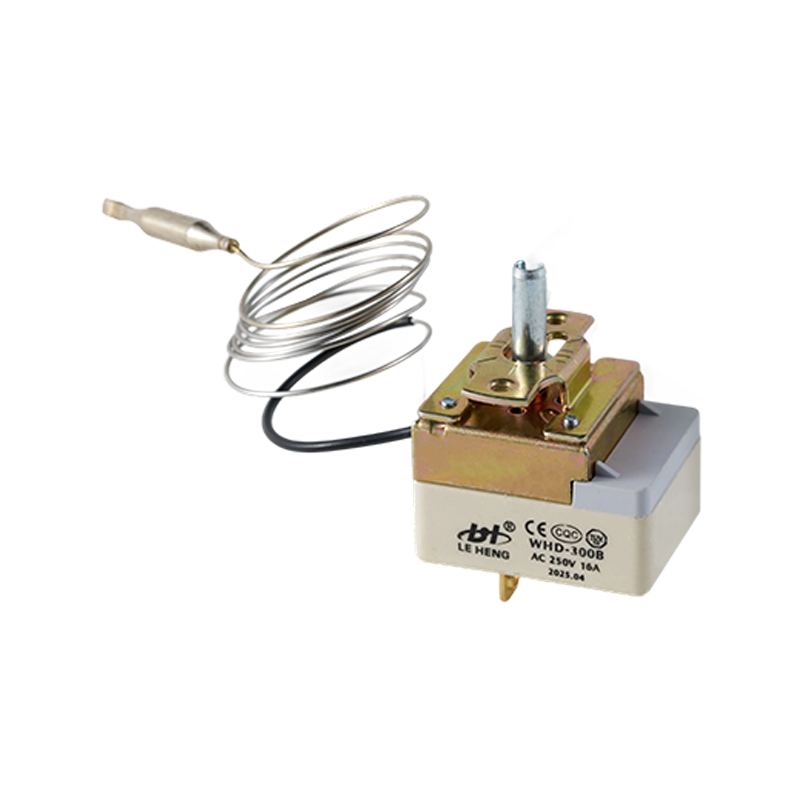 WHD-B(16A/25A) Adjustable Temperature Mechanical Capillary Thermostat
WHD-B(16A/25A) Adjustable Temperature Mechanical Capillary Thermostat is specially designe...
-
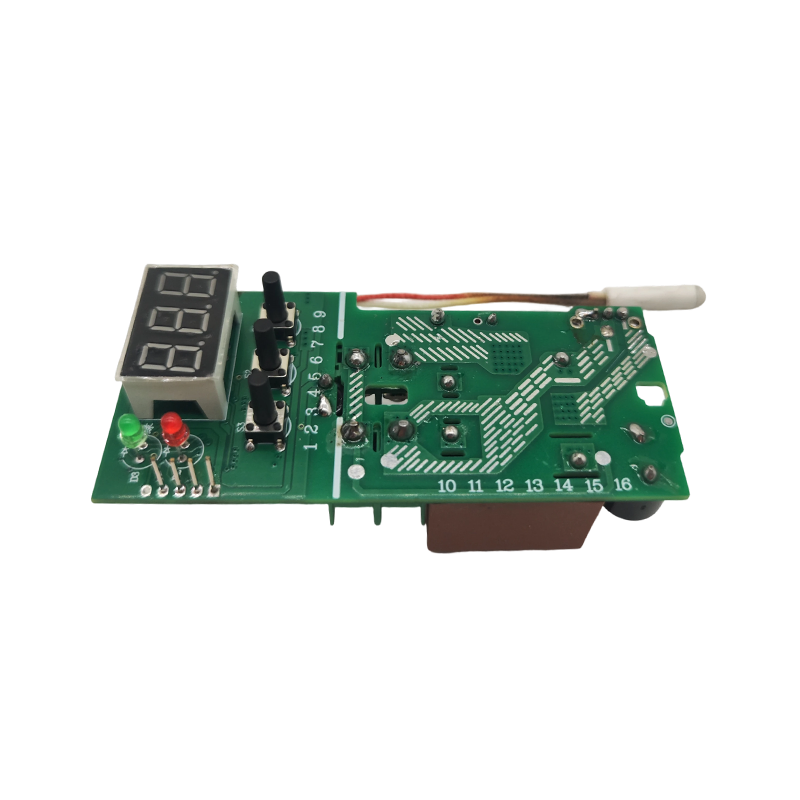 WHD-RQ400-BY Digital Display Thermostatic Controller
The WHD-RQ400-BY digital thermostat is an intelligent control device designed specifically...
-
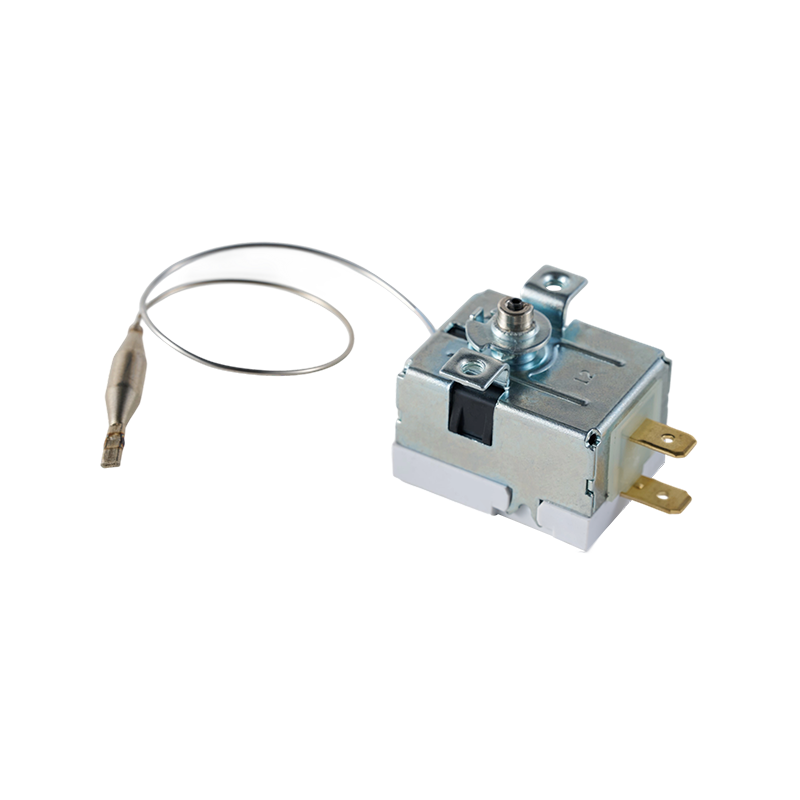 WHD-H2 320 Degree Oven Heating Temperature Limiter
The WHD-H2 oven heating limiter is designed for precise temperature control, with a maximu...
-
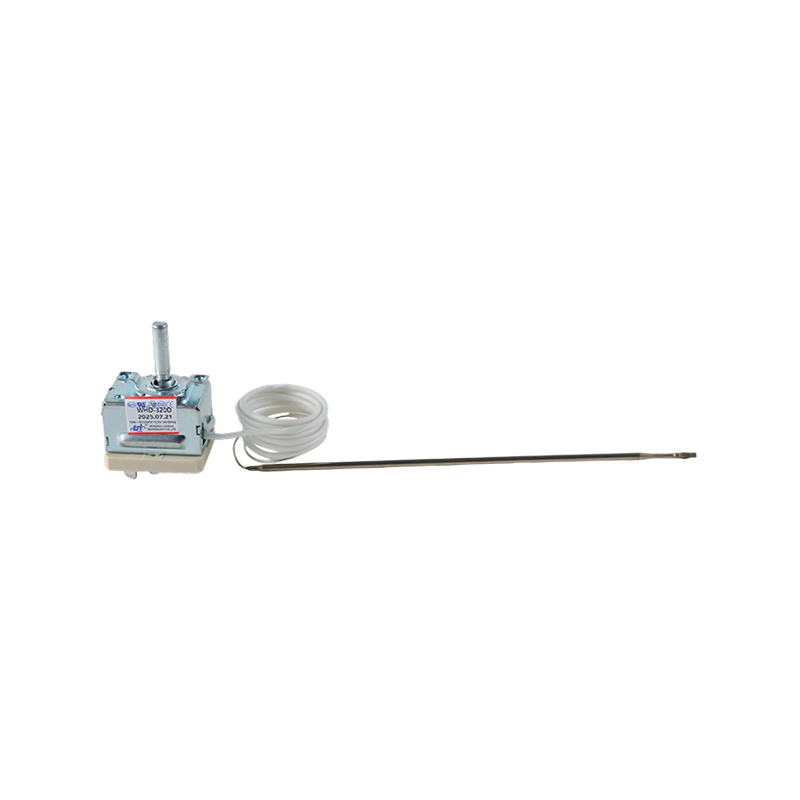 WHD-D Adjustable Mechanical Temperature Thermostat
The WHD-D adjustable mechanical thermostat offers reliable temperature control. It feature...
-
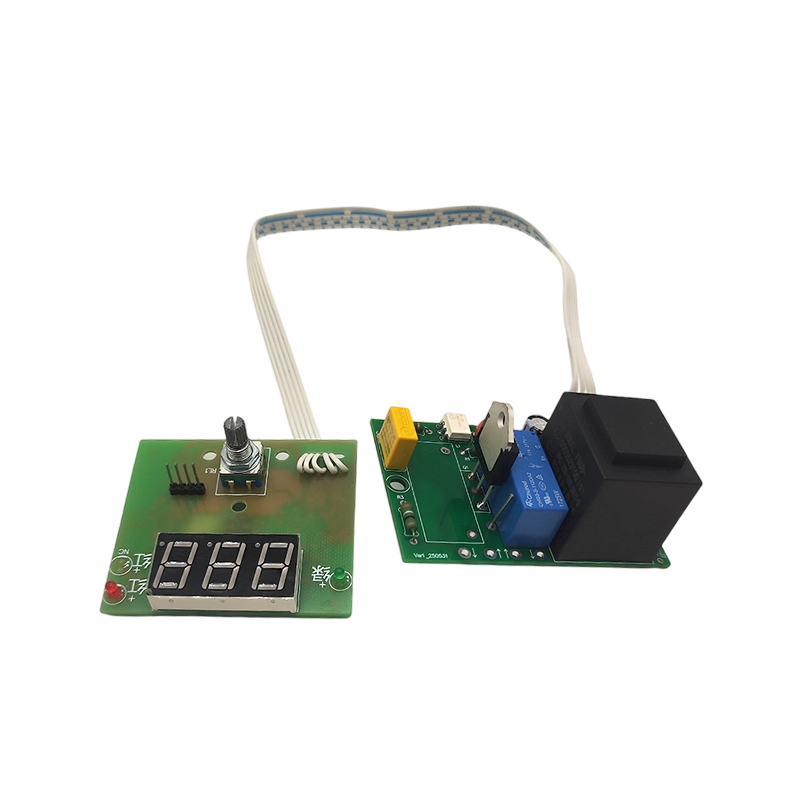 WHD-YL260 Oil Furnace Digital Thermostat
The WHD-YL260 oil furnace thermostat is an intelligent temperature control device designed...
-
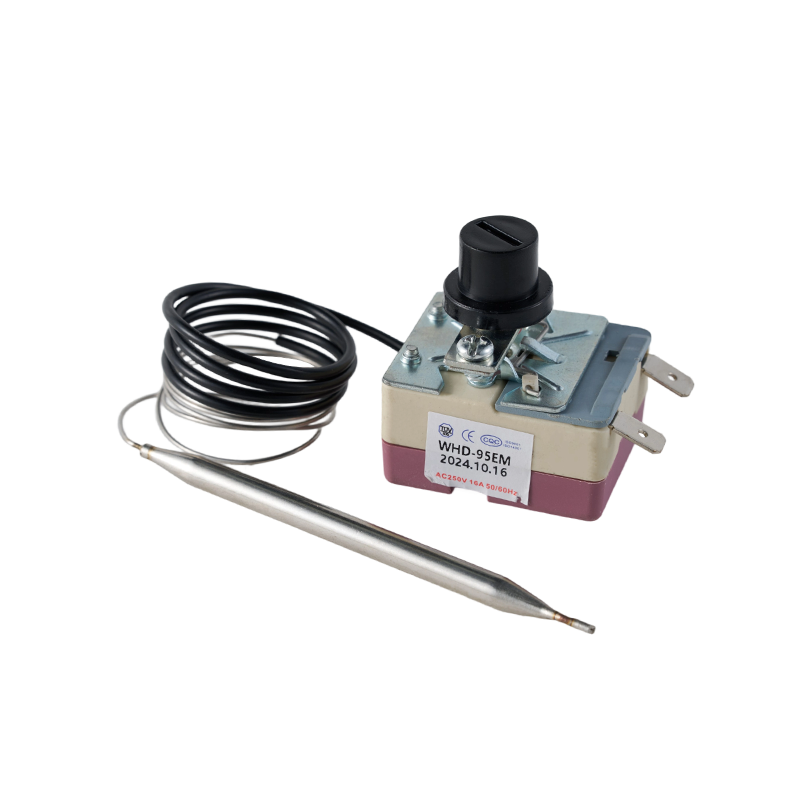 WHD-EM Limit Temperature Controller
The WHD-EM limit temperature controller is a highly reliable device for critical temperatu...
-
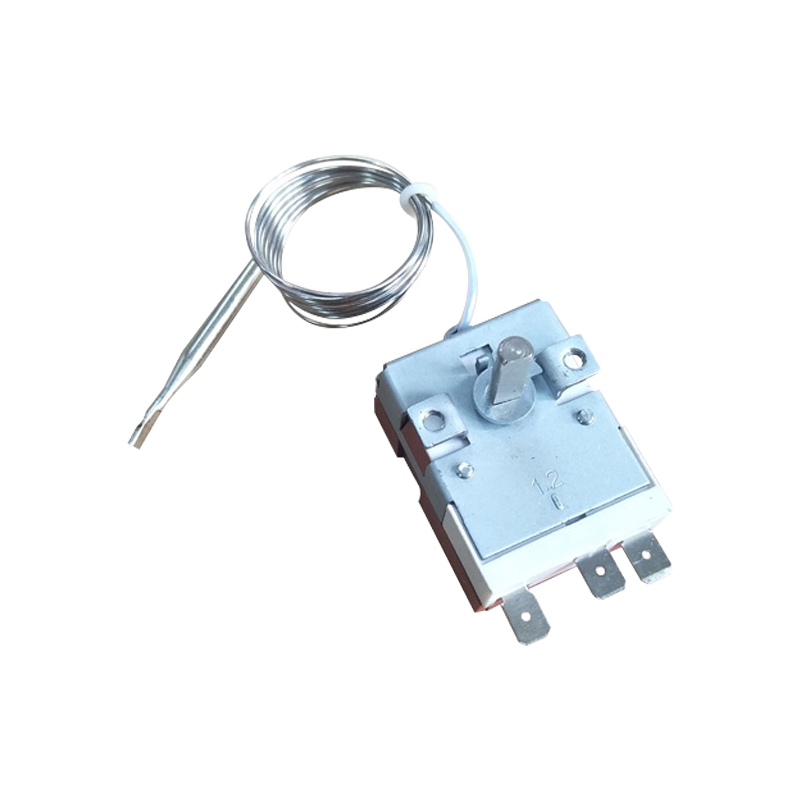 WHD-S (20A) Adjustable Electric Heating Thermostat
The WHD-S(20A) adjustable electric heating thermostat is an efficient solution for tempera...
-
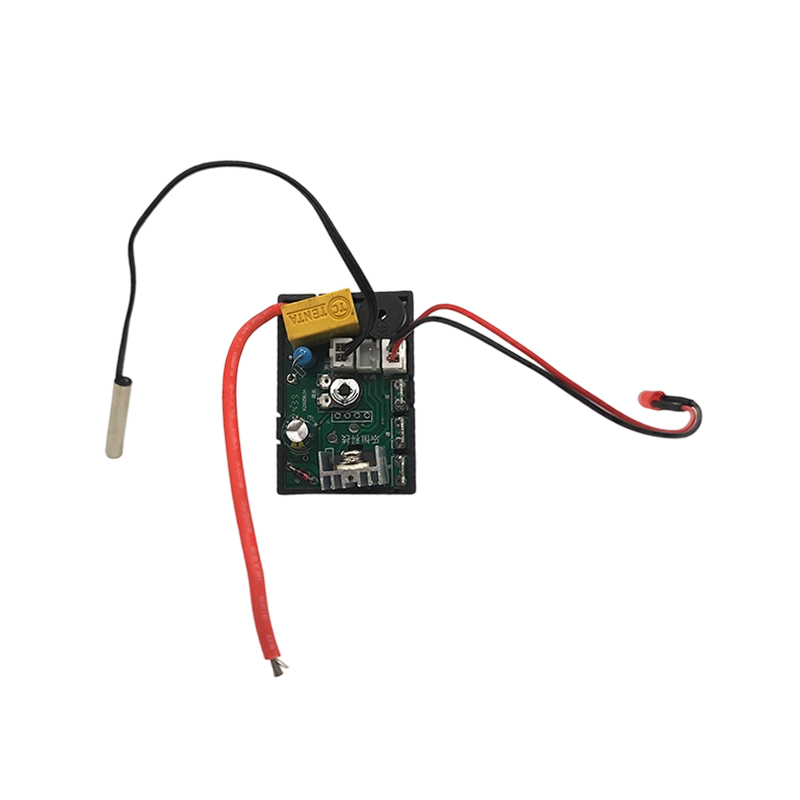 WHD-ST65-CP Integrated Circuit Board Thermostat
The WHD-ST65-CP integrated circuit board thermostat is designed specifically for water-hea...
-
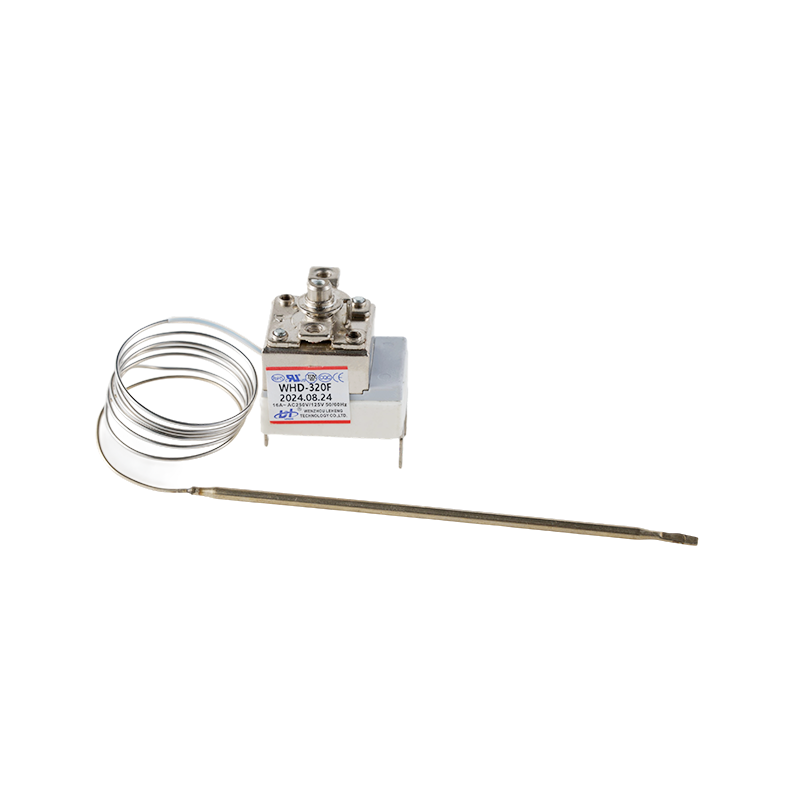 WHD-320F Capillary Mechanical Autoclaves Thermostat
The WHD-320F is a capillary mechanical thermostat specifically designed for autoclaves and...
-
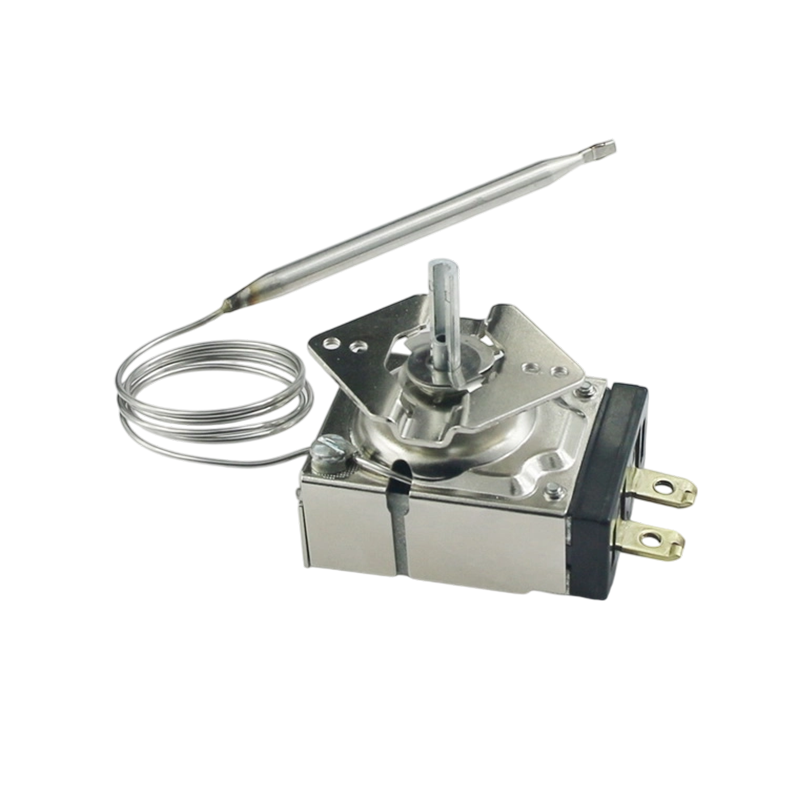 WHD-G (20A) Heating Thermostat
The WHD-G(20A) heating thermostat is designed for reliable temperature control in heating ...
About Us
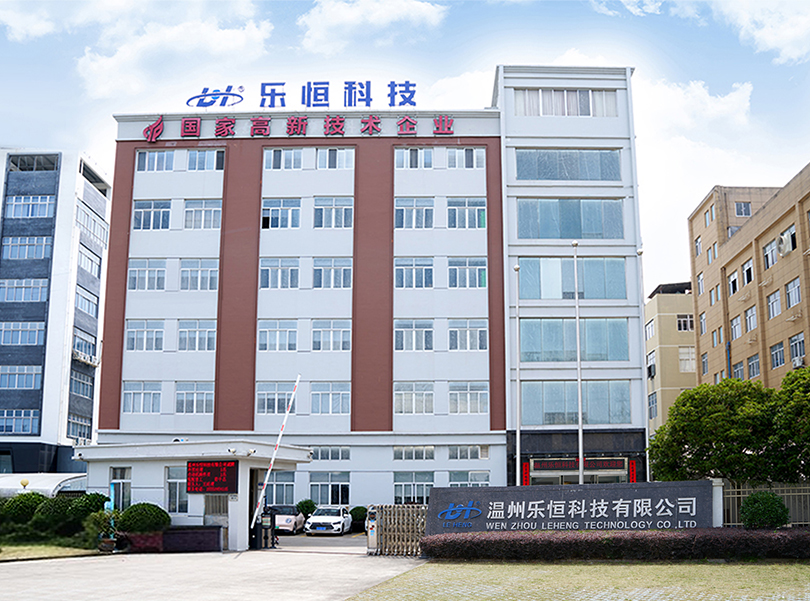
Wenzhou Leheng Technology Co., Ltd.
Established Manufacturer: Founded in 2012, we specialize in the development and manufacturing of thermostats, temperature limiters, rocker switches, and PCB thermostats.
Automated Manufacturing: Standardized assembly lines, automated production equipment, and optical inspection systems support efficient and consistent manufacturing.
Stable Production Capacity: With monthly output exceeding 1 million units and annual production exceeding 12 million units, we support stable supply for B2B orders.
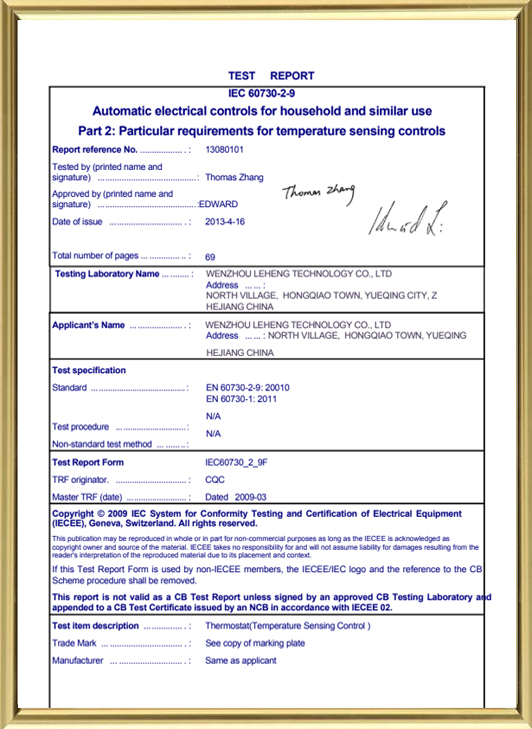
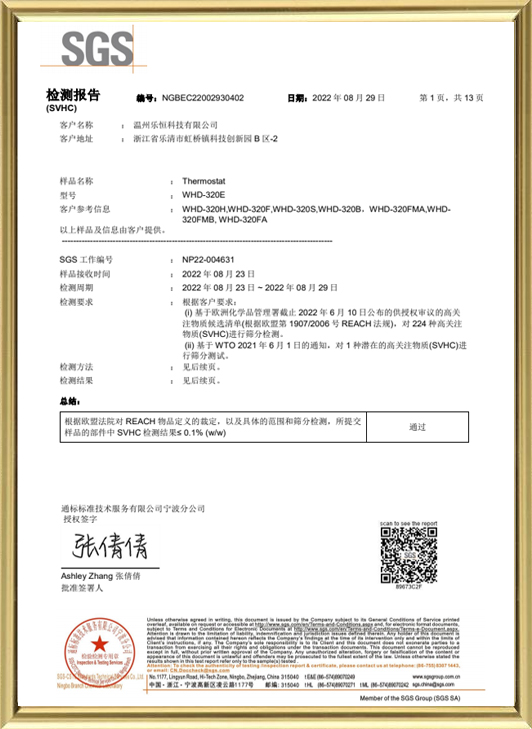
Certified Quality Management: Our products and management systems are supported by UL, TUV, CE, CQC, KC, RoHS, REACH, SGS, ISO 9001, and ISO 14001 certifications.
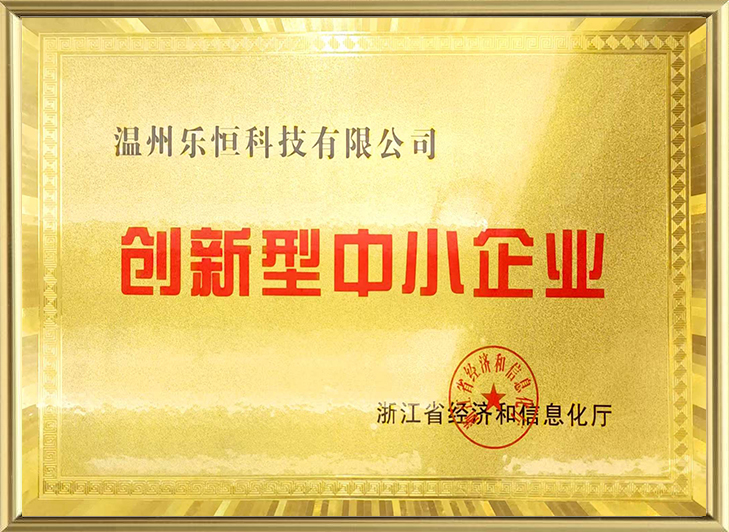
Technical & R&D Capability: We hold multiple patents, have participated in national industry standard development, and were recognized as a National High-Tech Enterprise in 2020.
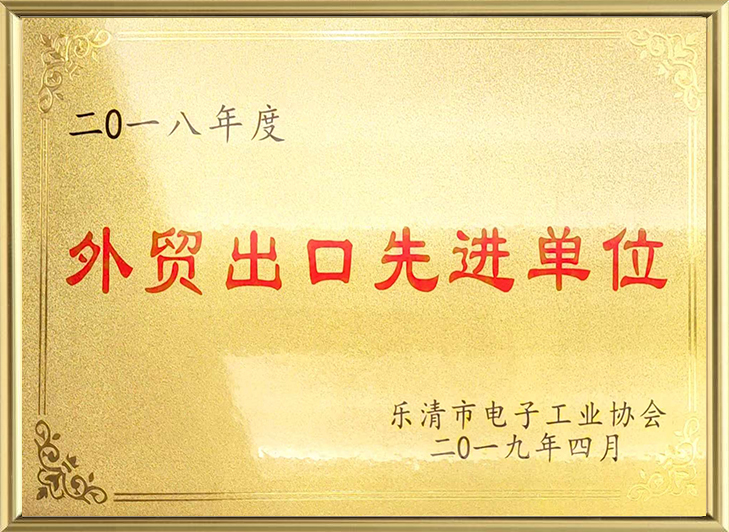
Global Market Supply: Our products are exported to more than 80 countries and regions, supported by professional sales and order service.
Automated Manufacturing: Standardized assembly lines, automated production equipment, and optical inspection systems support efficient and consistent manufacturing.
Stable Production Capacity: With monthly output exceeding 1 million units and annual production exceeding 12 million units, we support stable supply for B2B orders.
Certified Quality Management: Our products and management systems are supported by UL, TUV, CE, CQC, KC, RoHS, REACH, SGS, ISO 9001, and ISO 14001 certifications.
Technical & R&D Capability: We hold multiple patents, have participated in national industry standard development, and were recognized as a National High-Tech Enterprise in 2020.
Global Market Supply: Our products are exported to more than 80 countries and regions, supported by professional sales and order service.
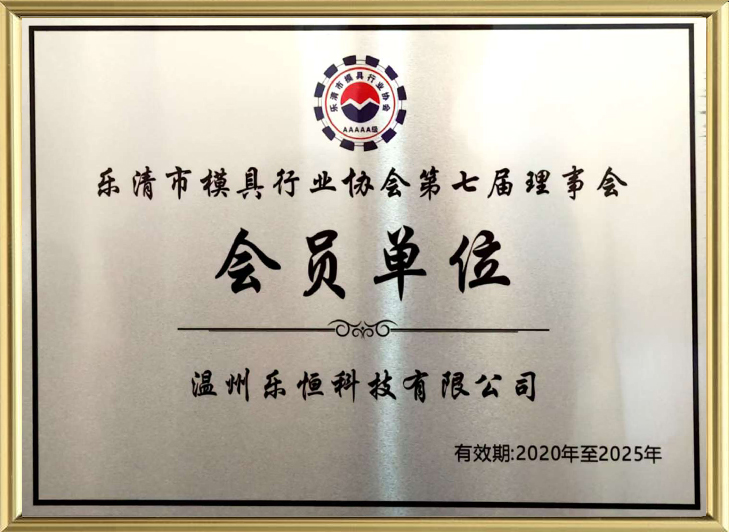
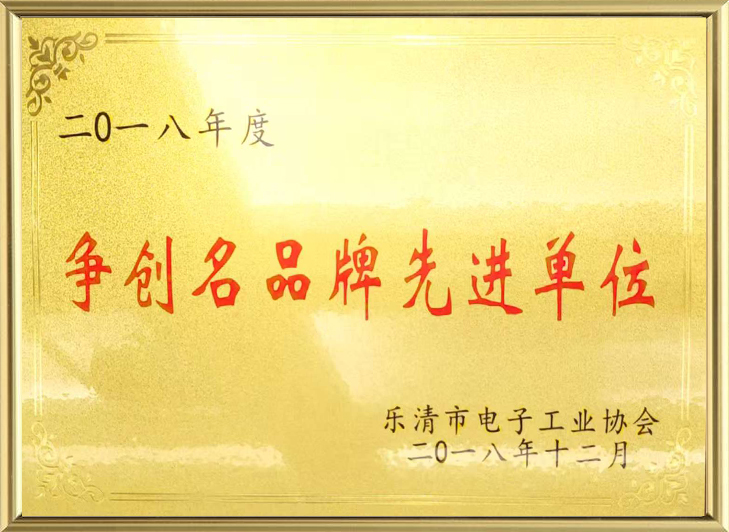
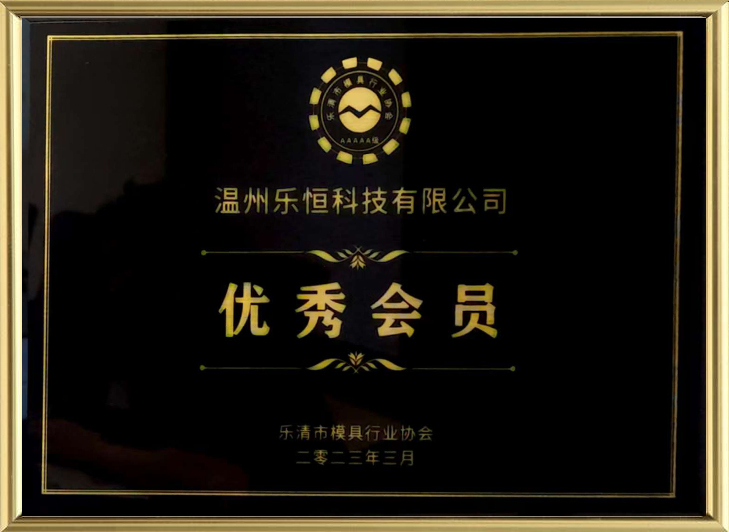
Certificate


News
-
Wenzhou Leheng Technology Co., Ltd., a professional enterprise specializing in product development, manufacturing, and international sales, will participate in the 31st Guangzhou Hotel Equipment and S...
READ MORE -
Stars do not fail those who strive, and time does not disappoint those who work hard. Amidst the warm atmosphere of Leheng Company's annual meeting, the annual commendation session was held as schedul...
READ MORE -
A properly functioning water cooler provides cold water for everyday use in homes, offices, and public spaces. The thermostat for the water cooler is an essential component that regulates the cooling ...
READ MORE -
Industrial heating processes rely on layers of protection to prevent equipment damage and fire hazards. Among these layers, the Manual Reset Limit Thermostat occupies a critical position. Unlike ordin...
READ MORE -
Leheng Technology's Outstanding Employee Team Building Activity Successfully Concluded. Thank you for your active participation and full cooperation. The activity showcased teamwork and collaborative ...
READ MORE
Message Feedback
Industry knowledge
Thermoreats play a central role in modern temperature-regulation systems used across residential, commercial, and industrial environments. As demand for precise thermal management increases, various thermoreat types—including Control Thermoreats, Safety Thermoreats, and Thermoreat Temperature Controllers—have evolved to address different functional needs.
Overview of Thermoreat Technology
A thermoreat is a device designed to monitor temperature and trigger a control action—typically activating or shutting down heating or cooling components—when a preset threshold is reached. Thermoreats help maintain stable operating conditions, improve system efficiency, and protect equipment from damage caused by excessive temperatures.
Modern thermoreats come in numerous configurations, ranging from simple mechanical units to advanced electronic controllers with programmable settings. Across industries, these devices contribute to increased reliability, operational consistency, and energy management.
Control Thermoreat: Function and Industry Role
A Control Thermoreat regulates temperature by automatically switching equipment on or off based on a user-defined setpoint. These thermoreats maintain consistent environmental or component temperatures and are widely used in appliances, HVAC systems, industrial machinery, and laboratory equipment.
Operating Principle
Control Thermoreats commonly rely on components such as:
- Bimetallic elements
Mechanical bending caused by temperature change activates contacts.
- Capillary systems
A temperature-responsive fluid expands or contracts, manipulating a switch.
- Electronic sensors (NTC, RTD, thermistor)
Provide precise resistance changes interpreted by electronic controls.
Key Features of Control Thermoreats
| Feature Category | Description |
| Adjustment Capability | Users can set target temperature ranges. |
| Switching Method | Mechanical or electronic switching depending on design. |
| Reaction Speed | Moderate to high response depending on sensing element. |
| Durability | Designed for repeated cycling in heating/cooling systems. |
Applications
Control Thermoreats ensure stable operational temperatures in:
- Household appliances
- Environmental control chambers
- Food-service equipment
- Fan heaters and cooling systems
- Industrial ovens and dryers
Their primary goal is maintaining a consistent temperature rather than enforcing safety limits.
Safety Thermoreat: Protection-Focused Temperature Control
A Safety Thermoreat is a protective device designed to prevent overheating. Unlike Control Thermoreats, their setpoint is typically fixed or inaccessible to end users, ensuring consistent protective performance.
Operating Principle
Safety Thermoreats function as a failsafe mechanism. If the temperature exceeds a predefined limit, the thermoreat interrupts the power supply to critical components. This prevents risks such as equipment failure or material degradation.
Key Features of Safety Thermoreats
| Feature Category | Description |
| Fixed Setpoint | Temperature limit defined by design, not user adjustable. |
| Fail-Safe Design | Prioritizes interruption of power during abnormal heat rise. |
| Reset Method | Automatic reset or manual reset depending on model. |
| Robust Construction | Designed for high-temperature resistance and reliability. |
Applications
Safety Thermoreats are essential in systems where overheating can cause significant damage. Common applications include:
- Heating equipment
- Industrial process machinery
- Water boilers and electric heaters
- Thermal protection in motors and electronics
- Commercial kitchen appliances
These thermoreats focus on preventing over-temperature events rather than regular temperature regulation.
Thermoreat Temperature Controller: Precision and Programmability
A Thermoreat Temperature Controller offers advanced control capabilities beyond basic on/off switching. These devices often incorporate digital interfaces, sensors, relay outputs, and logic algorithms for accurate thermal management.
Operating Principle
Thermoreat Temperature Controllers collect sensor data and process it through a control algorithm. Popular control strategies include:
On/Off Control – Simple binary switching
- Proportional Control – Output varies based on deviation from setpoint
- PID Regulation – Balances proportional, integral, and derivative input for smooth, precise control
Key Features of Temperature Controllers
| Feature Category | Description |
| Programmable Settings | Users can define heating/cooling modes and temperature profiles. |
| Display Interface | Digital readout for easy monitoring and adjustment. |
| Sensor Compatibility | Supports various input types such as thermocouples, RTDs, and NTC sensors. |
| Accuracy | Provides stable and precise temperature maintenance. |
| Multi-Stage Output | Can control multiple heating or cooling stages. |
Applications
Thermoreat Temperature Controllers are used in environments needing precise and adjustable thermal regulation:
- Industrial manufacturing processes
- Environmental simulation equipment
- Smart building systems
- Cold-chain logistics
- Laboratory and medical devices
- Automated agricultural systems
Their flexibility and accuracy make them suitable for advanced process control.
Differences Between Control Thermoreat, Safety Thermoreat, and Temperature Controller
The following table highlights the distinctions among the three thermoreat types:
| Category | Control Thermoreat | Safety Thermoreat | Temperature Controller |
| Primary Purpose | Regulation | Over-temperature protection | Precision control |
| Adjustability | Adjustable | Usually fixed | Highly programmable |
| Safety Function | Secondary | Primary | Integrated but varies |
| Typical Output | Simple on/off | Power interruption | Relay / logic-driven |
| Complexity Level | Moderate | Low | High |
| Common Use Cases | HVAC, appliances | Heaters, motors | Industrial equipment, smart systems |
Understanding these differences helps ensure correct device selection based on system requirements.
Industry Trends in Thermoreat Technology
Thermoreat technology continues to evolve due to industrial automation and energy-efficiency demands. Several notable trends include:
- Shift Toward Digital Control
Digital controllers are increasingly replacing mechanical thermoreats due to high accuracy, access to data logging, and compatibility with advanced sensors.
- Integration With Monitoring Systems
Linked thermoreat controllers provide remote status monitoring and operational insights, which assists in preventive maintenance and operational planning.
- Emphasis on Safety and Compliance
Manufacturers design thermoreats that meet stringent safety and operational standards in various global markets.
- Improved Material and Sensor Technology
Thermoreats now use more durable materials and sensors capable of reliable performance across a wider temperature range.
Key Factors in Selecting a Thermoreat for Industrial and Commercial Use
To choose the appropriate thermoreat, consider several important criteria:
- Temperature Range Requirements
Assess the small and big operational temperatures to ensure proper compatibility with the application.
- Control Accuracy
Applications requiring precise tolerance should opt for advanced Temperature Controllers.
- Environment and Installation Conditions
Factors such as humidity, vibration, insulation class, and mounting design must align with the chosen thermoreat specifications.
- Safety Mechanisms Needed
Systems prone to overheating should incorporate Safety Thermoreats to reduce risk.
- Electrical Compatibility
Voltage, current rating, and switching capacity must be matched to the controlled device.
- Reset Function Preferences
Automatic versus manual reset options impact usability and recovery procedures.
Thermoreats serve an integral role in managing temperature across a diverse range of applications. Control Thermoreats maintain consistent operating conditions, Safety Thermoreats protect against excessive temperatures, and Thermoreat Temperature Controllers deliver high-precision programmable control.
PLEASE LEAVE YOUR SPECIFIC REQUIREMENT

QUICK LINKS
PRODUCTS
CONTACT
-
+86-15957748531
+86-15558959105
+86-19588099846
+86-18815077137 -
jilly@wzleh.com
east@wzleh.com
scott@wzleh.com
kim@wzleh.com
ADDRESS
- STI Park #B-2, Hongqiao Yueqing City, Zhejiang, China, 325608


Safety Thermostat Manufacturer
Copyright © Wenzhou Leheng Technology Co., Ltd. All Rights Reserved.