


 English
 Türk
Türk
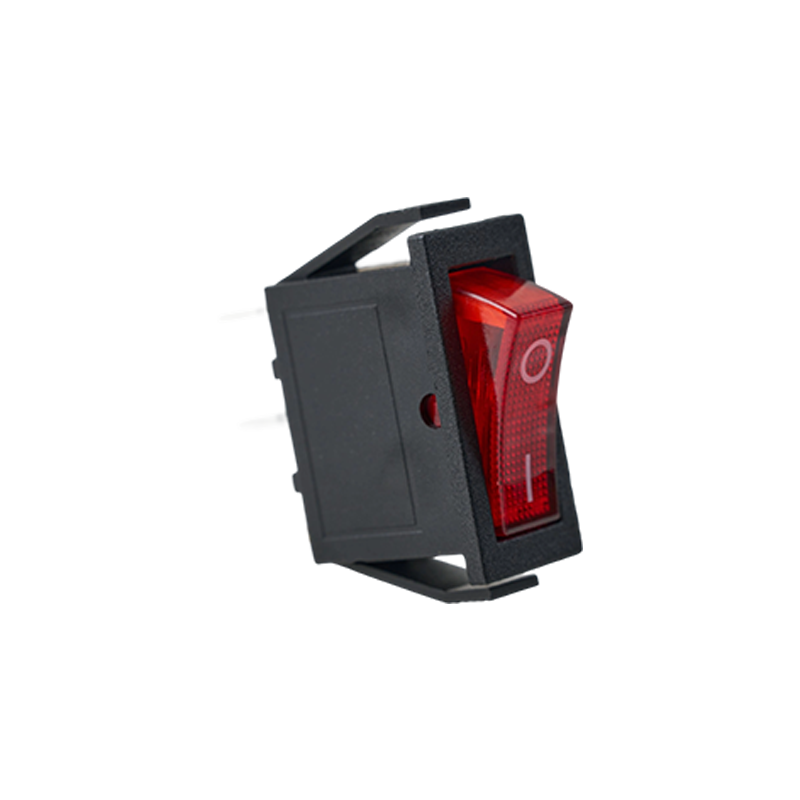
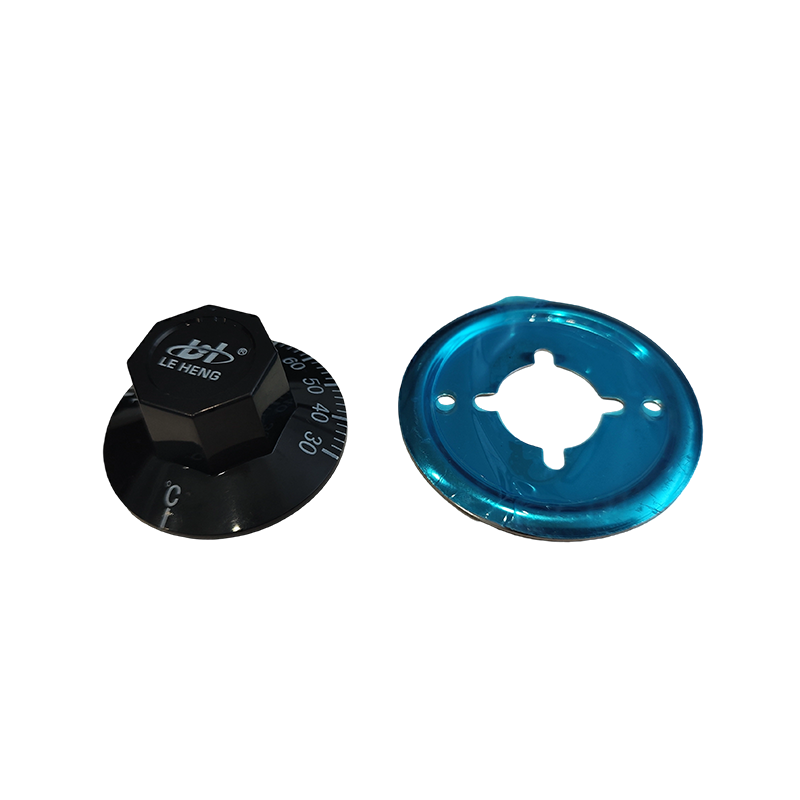
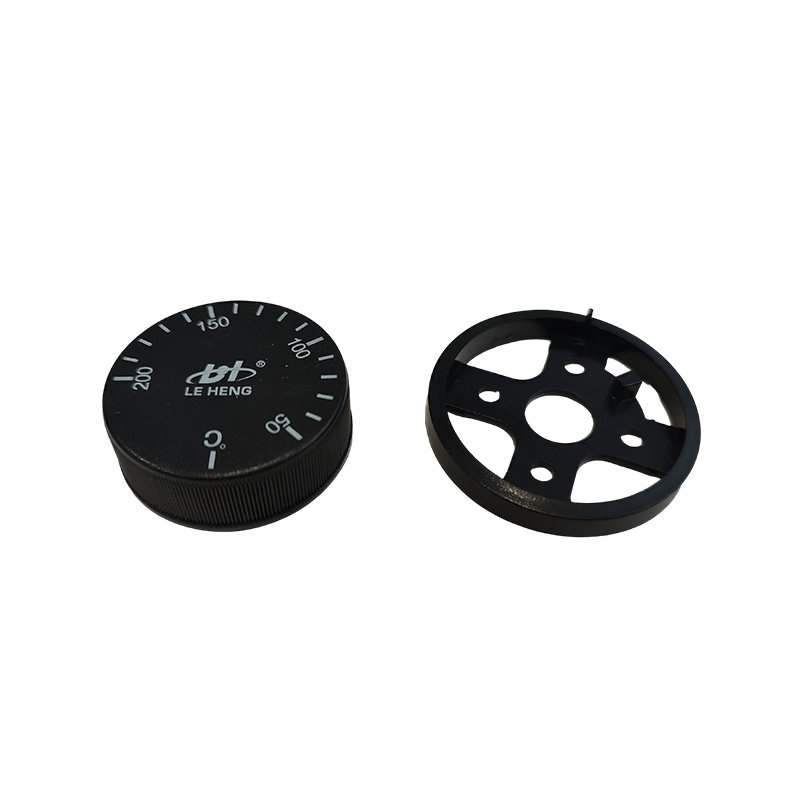
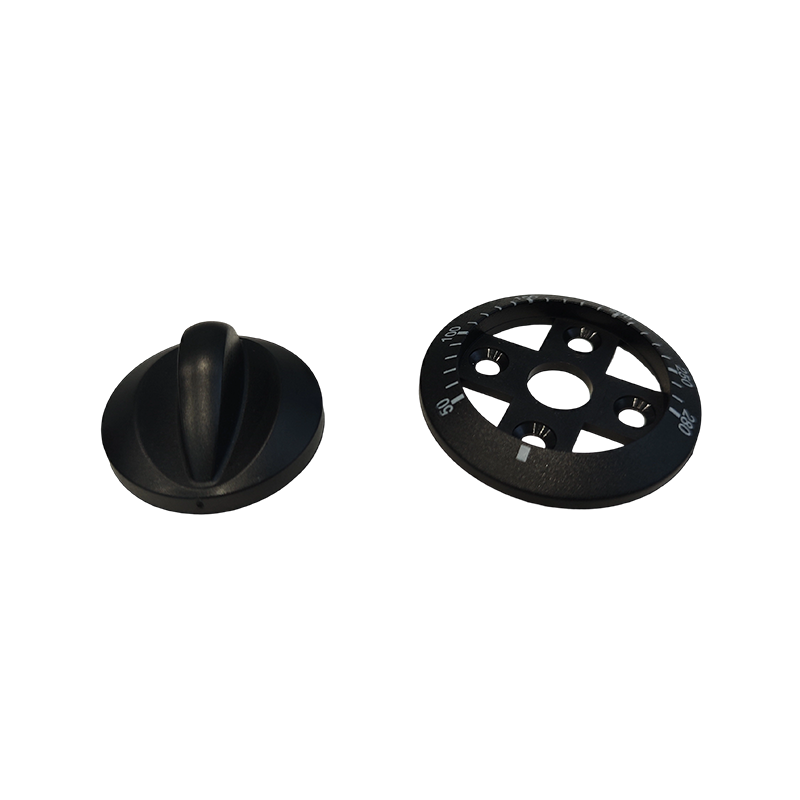
The WHD-RQ400-BY digital thermostat is an intelligent control device designed specifically...
SEARCH
CATEGORY
PCB/Digital Thermostat
-
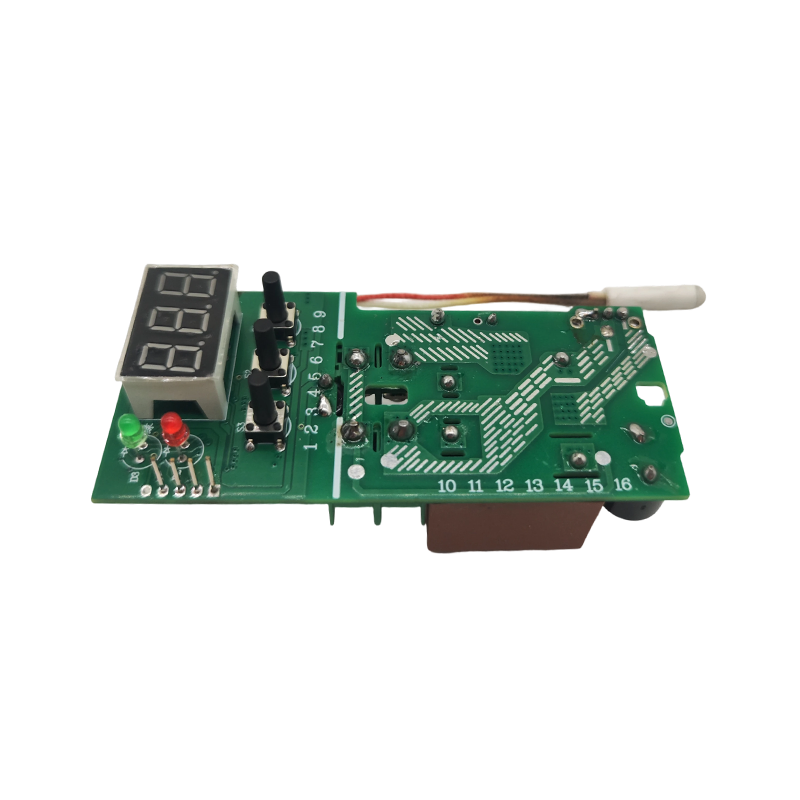

-
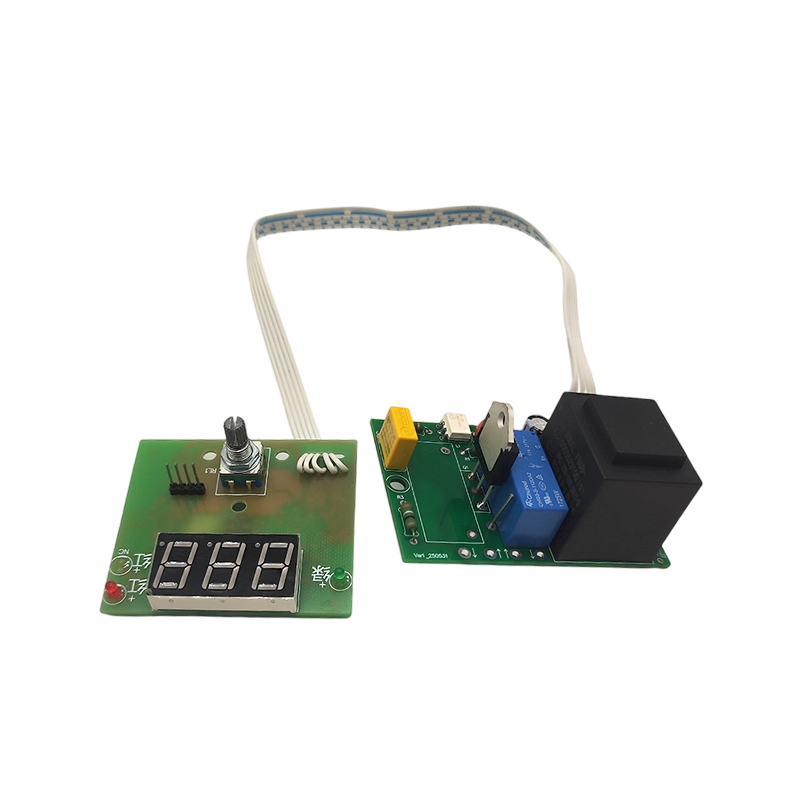 WHD-YL260 Oil Furnace Digital Thermostat
The WHD-YL260 oil furnace thermostat is an intelligent temperature control device designed...
-
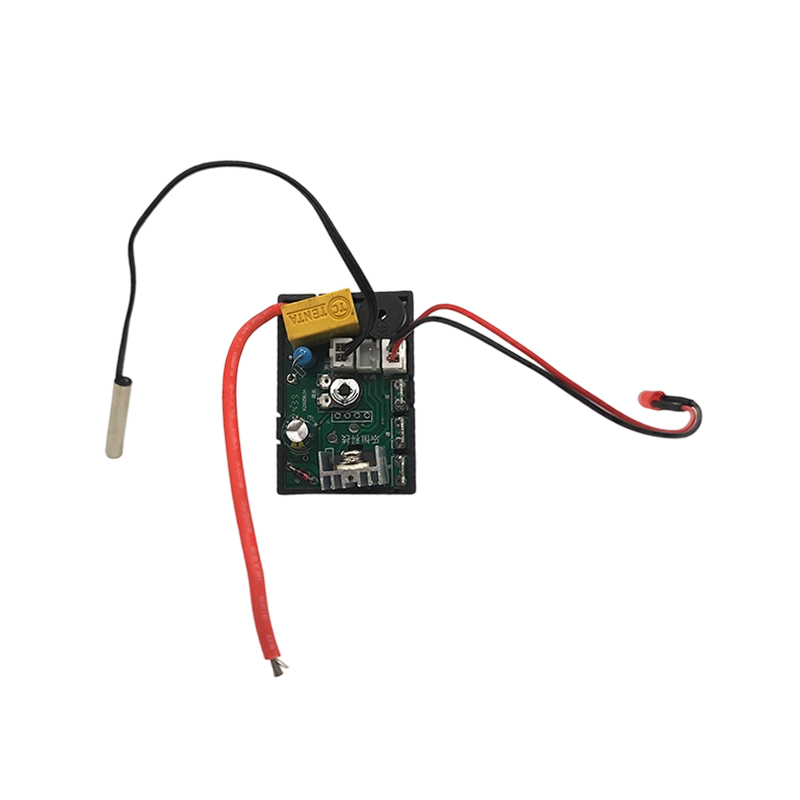 WHD-ST65-CP Integrated Circuit Board Thermostat
The WHD-ST65-CP integrated circuit board thermostat is designed specifically for water-hea...
-
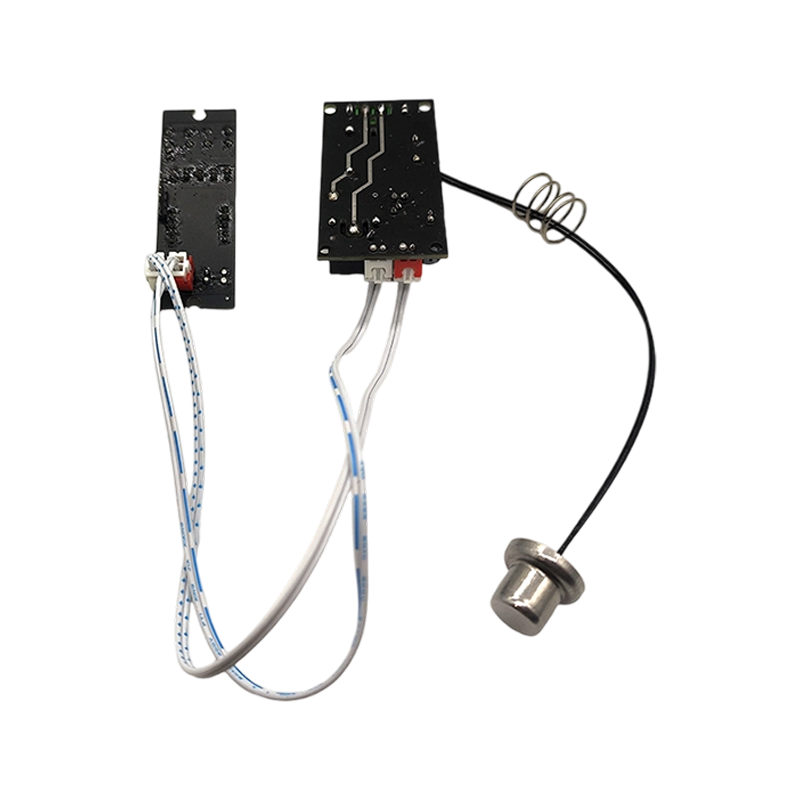 WHD-CL80 Dining Oven Constant Temperature Digital Thermostat
The WHD-CL80 is a reliable thermostat designed specifically for buffet stoves. It precisel...
-
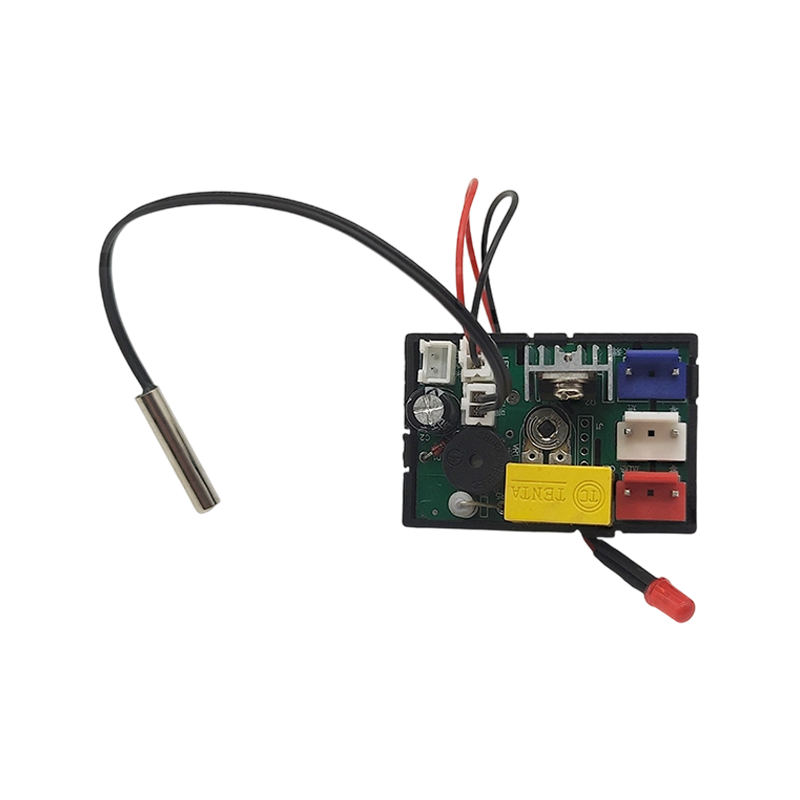 WHD-ST65-DZ Water Heating Blanket Integrated Thermostat
The WHD-ST65-DZ Water Heating Blanket Integrated Thermostat combines heating temperature c...
-
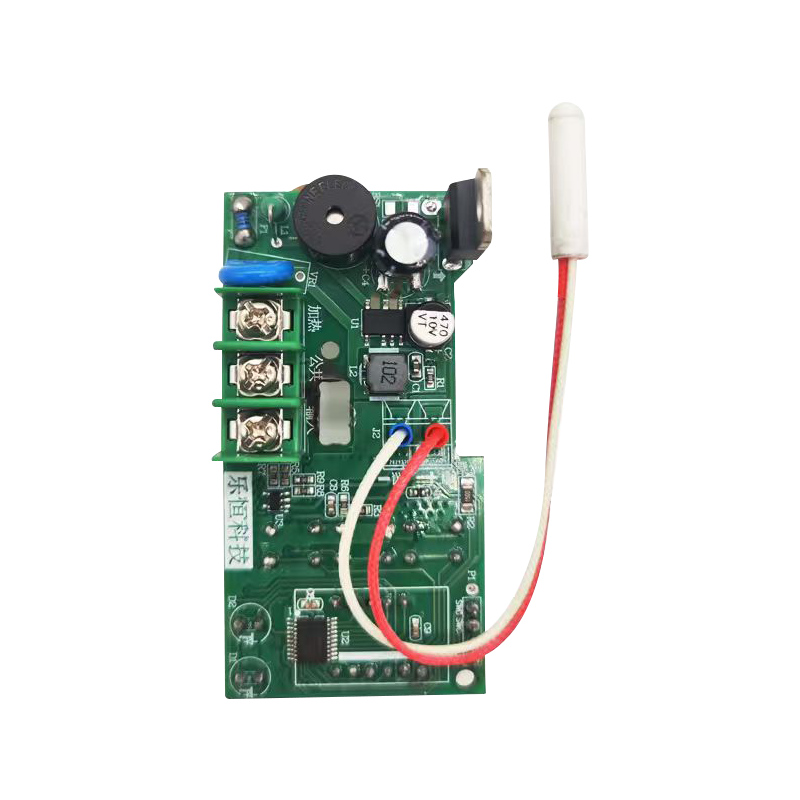 WHD-RQ350-XP Fuser Thermostatic Controller
The WHD-RQ350-XP thermostatic controller is designed specifically for hot melt adhesive ma...
-
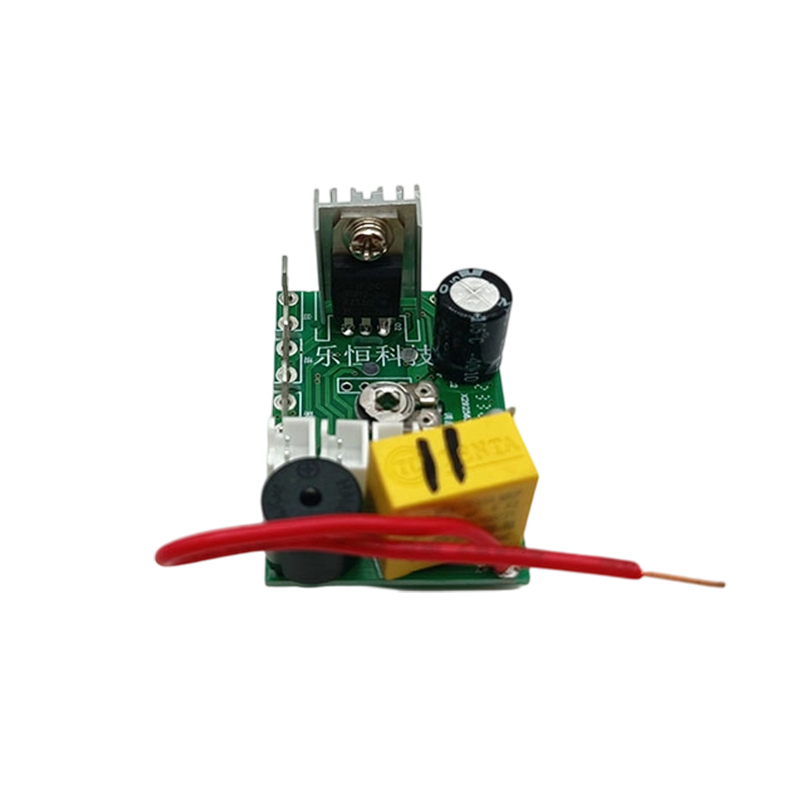 65SX-CP Digital Thermostat
The 65SX-CP Digital Thermostat is designed for precise temperature control in various appl...
-
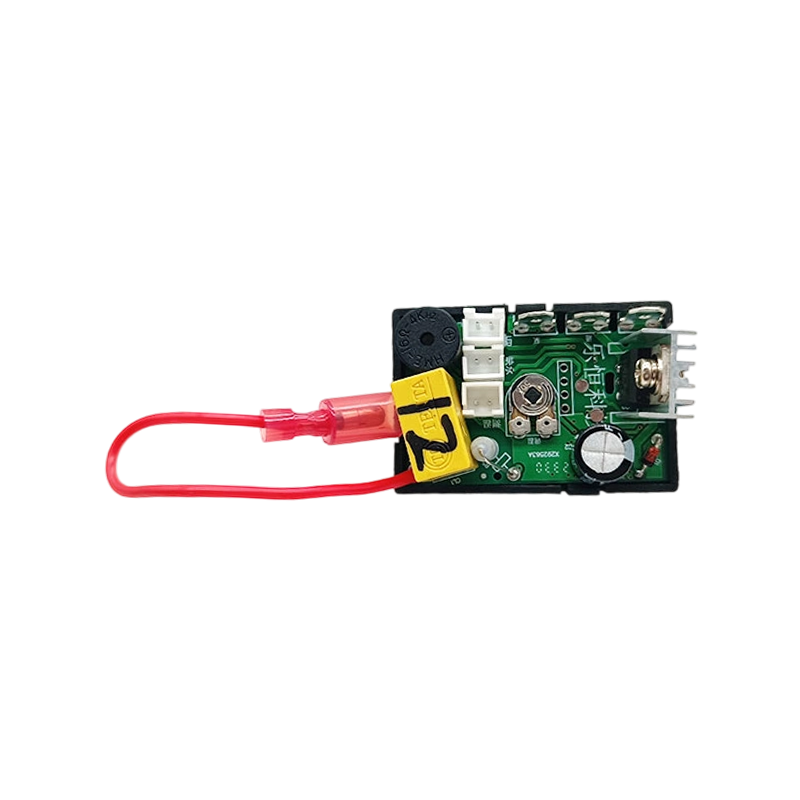 65SX-DZ PCP Thermostat
The 65SX-DZ is a Digital Thermostat PCB board designed for temperature control circuits in...
The core features of the microcomputer digital thermostat for the hot melt machine are accurate temperature control, simple operation and high safety. It can display the temperature in real time through the digital screen and precisely control the temperature error. The operation allows for one-click setting of common temperatures, making it easy for beginners to get started. It also features protection functions such as over-temperature power-off, no-temperature rise alarm, and over-temperature power-off alarm for the board body, to prevent potential safety hazards.
About Us
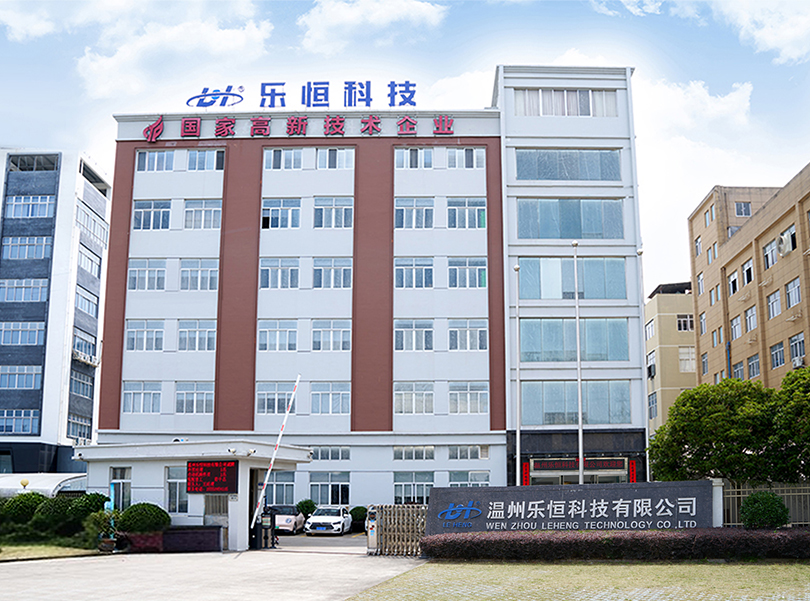
Wenzhou Leheng Technology Co., Ltd.
Established Manufacturer: Founded in 2012, we specialize in the development and manufacturing of thermostats, temperature limiters, rocker switches, and PCB thermostats.
Automated Manufacturing: Standardized assembly lines, automated production equipment, and optical inspection systems support efficient and consistent manufacturing.
Stable Production Capacity: With monthly output exceeding 1 million units and annual production exceeding 12 million units, we support stable supply for B2B orders.
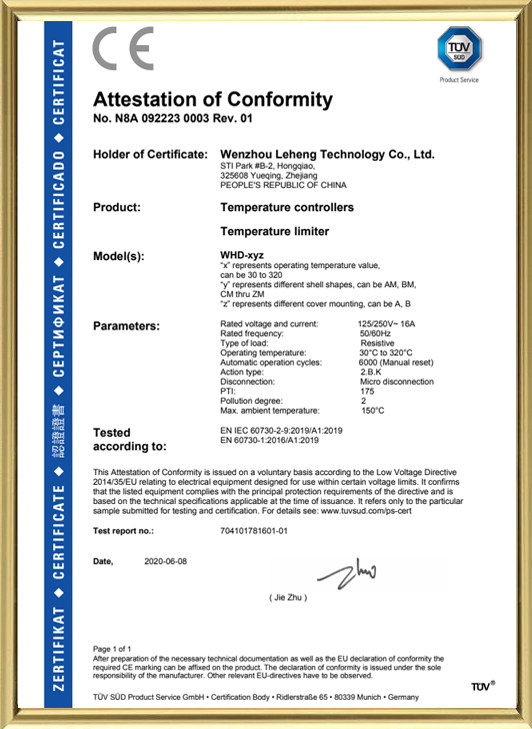
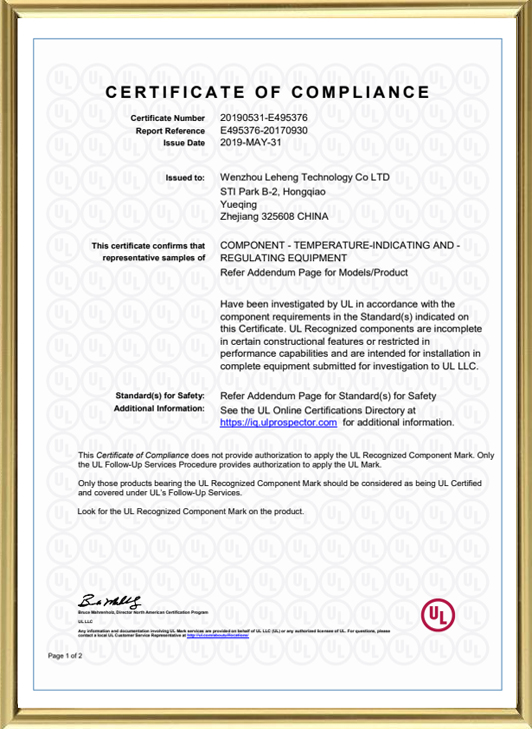
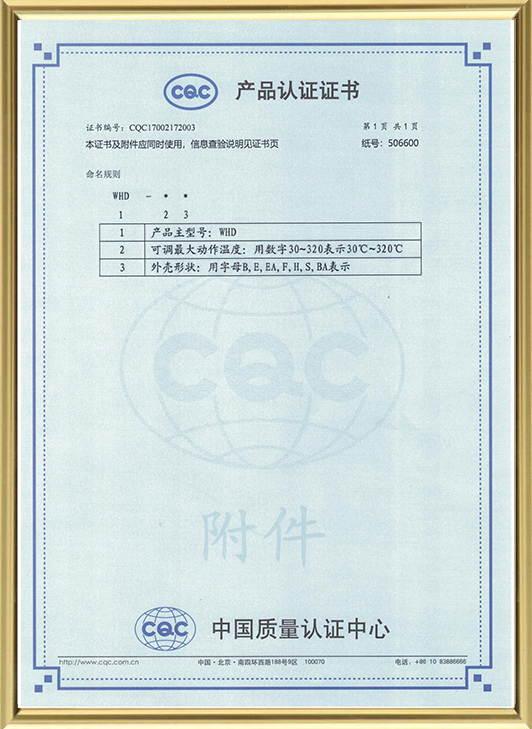
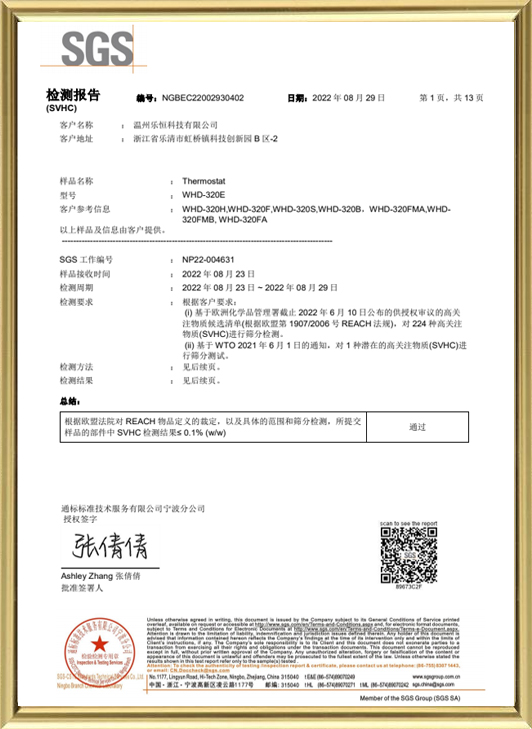
Certified Quality Management: Our products and management systems are supported by UL, TUV, CE, CQC, KC, RoHS, REACH, SGS, ISO 9001, and ISO 14001 certifications.
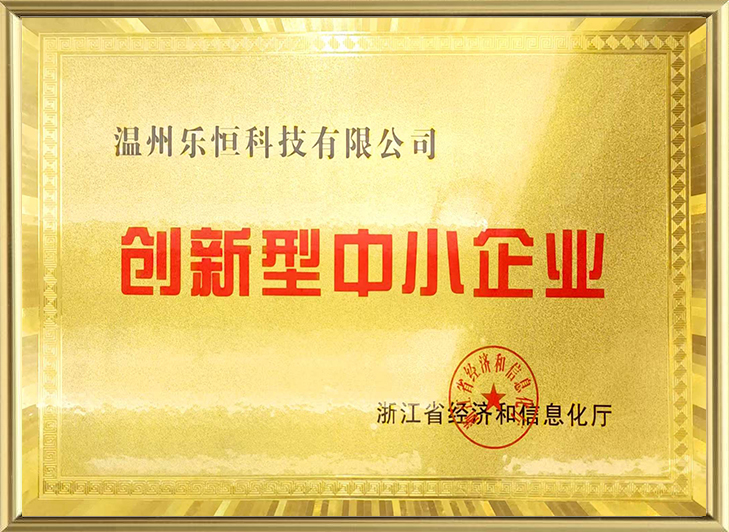
Technical & R&D Capability: We hold multiple patents, have participated in national industry standard development, and were recognized as a National High-Tech Enterprise in 2020.
Global Market Supply: Our products are exported to more than 80 countries and regions, supported by professional sales and order service.
Automated Manufacturing: Standardized assembly lines, automated production equipment, and optical inspection systems support efficient and consistent manufacturing.
Stable Production Capacity: With monthly output exceeding 1 million units and annual production exceeding 12 million units, we support stable supply for B2B orders.
Certified Quality Management: Our products and management systems are supported by UL, TUV, CE, CQC, KC, RoHS, REACH, SGS, ISO 9001, and ISO 14001 certifications.
Technical & R&D Capability: We hold multiple patents, have participated in national industry standard development, and were recognized as a National High-Tech Enterprise in 2020.
Global Market Supply: Our products are exported to more than 80 countries and regions, supported by professional sales and order service.
Certificate


News
-
Leheng Technology will participate in HOSTECH Istanbul from May 27-31 (Booth 1210A1, TUYAP Fair Convention and Congress Center). The exhibition will feature the company's latest thermostat solutions f...
READ MORE -
Leheng Technology to Participate in 2026 HOSTECH International Hotel & Catering Exhibition in Turkey
Wenzhou Leheng Technology Co., Ltd., a prominent enterprise specializing in product development, manufacturing, and international sales, has announced its participation in the 2026 HOSTECH Internation...
READ MORE -
Wenzhou Leheng Technology Co., Ltd., a professional enterprise specializing in product development, manufacturing, and international sales, will participate in the 31st Guangzhou Hotel Equipment and S...
READ MORE -
Technology is quietly revolutionizing how we manage energy consumption, preserve food, and maintain comfort in our daily lives. One component playing a surprisingly important role is the refrigerator ...
READ MORE -
At Leheng Technology, the fourth quarter of the operational year has always been a period of reflection, recognition, and renewed commitment. The company has consistently fostered a culture of diligen...
READ MORE
Message Feedback
Industry knowledge
PCB Display Thermostatic Overview
A PCB Display Thermostatic controller is an electronic temperature control device designed for heating equipment, including hot melt machines. It uses a temperature sensor and control circuit to monitor operating temperature, display real-time readings, and regulate the connected heating system.
The digital interface supports temperature setting and quick access to commonly used temperature values. Built-in protection functions include over-temperature power-off, no-temperature-rise alarms, and control board over-temperature protection.
With its integrated circuit design and digital temperature display, the Digital Thermostat provides temperature monitoring and control within equipment requiring electronic thermal management.
PCB Display Thermostatic Technical Specifications & Selection Factors
The following features are identified in the available product information.
| Specification | Product Configuration |
| Product Type | PCB Digital Thermostat |
| Control Method | Electronic temperature control |
| Display | Digital temperature display |
| Temperature Monitoring | Real-time temperature reading |
| Temperature Setting | One-touch setting of commonly used temperatures |
| Control Application | Hot melt machine heating control |
| Over-Temperature Protection | Automatic power-off |
| Temperature Rise Alarm | No-temperature-rise alarm |
| PCB Protection | Control board over-temperature power-off alarm |
The required temperature range, rated voltage, current rating, sensor type, control accuracy, and output configuration should be confirmed against the specific product model before ordering.
For equipment manufacturers, the control board design and temperature control requirements should be defined according to the heating system and installation arrangement.
PCB Display Thermostatic Applications
PCB Display Thermostatic controllers are intended for equipment requiring digital temperature monitoring and electronic heating control.
The documented application includes:
Hot melt machines
Heating equipment requiring digital temperature settings
Equipment requiring real-time temperature display
Heating systems with over-temperature protection requirements
The controller's display and preset temperature functions support equipment where operators need to monitor and adjust heating temperatures during operation.
PCB Display Thermostatic Customization & OEM/ODM
Custom requirements for a PCB Thermostat can be evaluated according to the equipment's temperature control system and circuit design.
Potential project requirements include:
Temperature setting range
Digital display arrangement
Temperature sensor configuration
Control board dimensions
Electrical connection requirements
Heating control output
Temperature alarm settings
Over-temperature protection requirements
Installation and interface arrangement
For OEM projects, equipment manufacturers can provide the application details, electrical requirements, and control functions for technical evaluation.
As a thermostat manufacturer and Factory, the company can discuss product requirements with equipment manufacturers, distributors, and private-label buyers.
PCB Display Thermostatic Manufacturing & Quality Control
PCB digital thermostat production involves electronic components, circuit board assembly, temperature sensing, and control function integration.
For this product category, relevant inspection and testing requirements include:
PCB and electronic component inspection
Temperature display verification
Temperature setting function testing
Heating control response testing
Over-temperature protection testing
No-temperature-rise alarm verification
Control board protection testing
Finished-product functional inspection
These checks address the operating functions specified for the controller. Actual production inspection procedures and test criteria should follow the applicable product model and manufacturing specifications.
PCB Display Thermostatic B2B Supply & Purchasing
The PCB Digital Thermostat Supplier selection process should begin with the equipment application and required control functions.
For equipment manufacturers, distributors, and Wholesale buyers, the following information helps define the product requirements:
Equipment type and heating application
Required temperature range
Rated voltage and load requirements
Temperature sensor arrangement
Control board dimensions
Required display and setting functions
Alarm and protection requirements
Order quantity
OEM or private-label requirements
Samples can be evaluated against the equipment's installation and operating requirements before bulk purchasing.
OEM supply and custom development requirements can be discussed according to the product configuration and project specifications.
PCB Display Thermostatic FAQ
What equipment is the PCB Digital Thermostat designed for?
The documented application is hot melt machinery. Other heating equipment applications should be evaluated according to the controller's electrical and temperature control specifications.
Does the thermostat display the current temperature?
Yes. The digital display provides real-time temperature readings.
Can operators set commonly used temperatures quickly?
Yes. The controller supports one-touch setting of commonly used temperature values.
What protection functions does the controller include?
The documented functions include over-temperature power-off, no-temperature-rise alarms, and over-temperature protection for the control board.
What happens if the heating temperature does not rise?
The controller includes a no-temperature-rise alarm to indicate this condition.
Can the PCB thermostat be customized for OEM equipment?
OEM requirements can be evaluated according to the equipment design, temperature control functions, electrical specifications, and installation requirements.
What technical information is needed for product selection?
Provide the equipment application, required temperature range, voltage, load, sensor arrangement, control board dimensions, and required protection functions. These details help determine whether the available controller configuration matches the project requirements.
PLEASE LEAVE YOUR SPECIFIC REQUIREMENT

QUICK LINKS
PRODUCTS
CONTACT
-
+86-15957748531
+86-15558959105
+86-19588099846
+86-18815077137 -
jilly@wzleh.com
east@wzleh.com
scott@wzleh.com
kim@wzleh.com
ADDRESS
- STI Park #B-2, Hongqiao Yueqing City, Zhejiang, China, 325608


Sales Temperature Digital Thermostat
Copyright © Wenzhou Leheng Technology Co., Ltd. All Rights Reserved.