


 English
 Türk
Türk
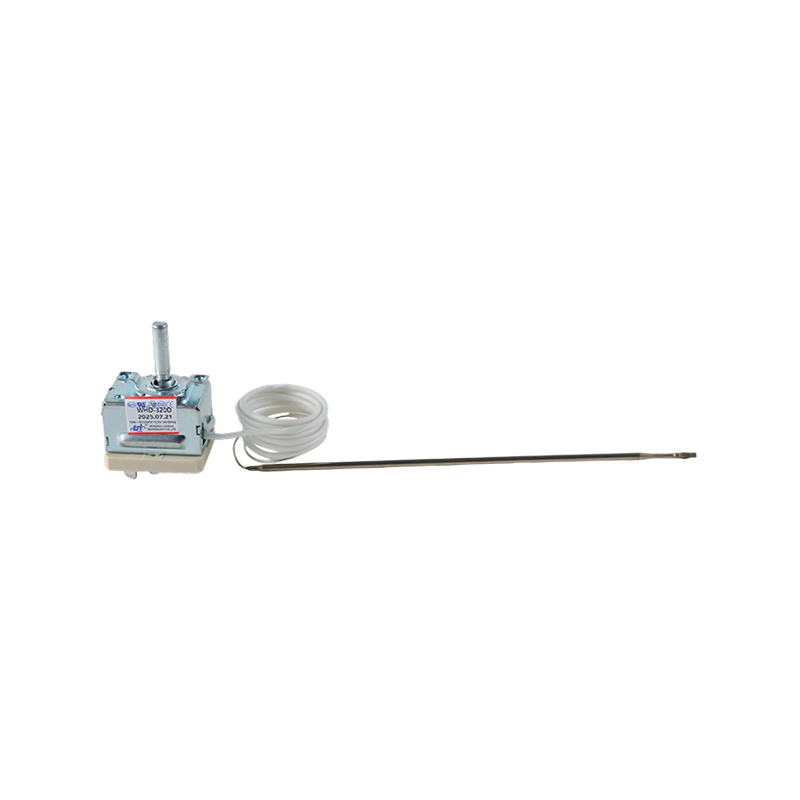

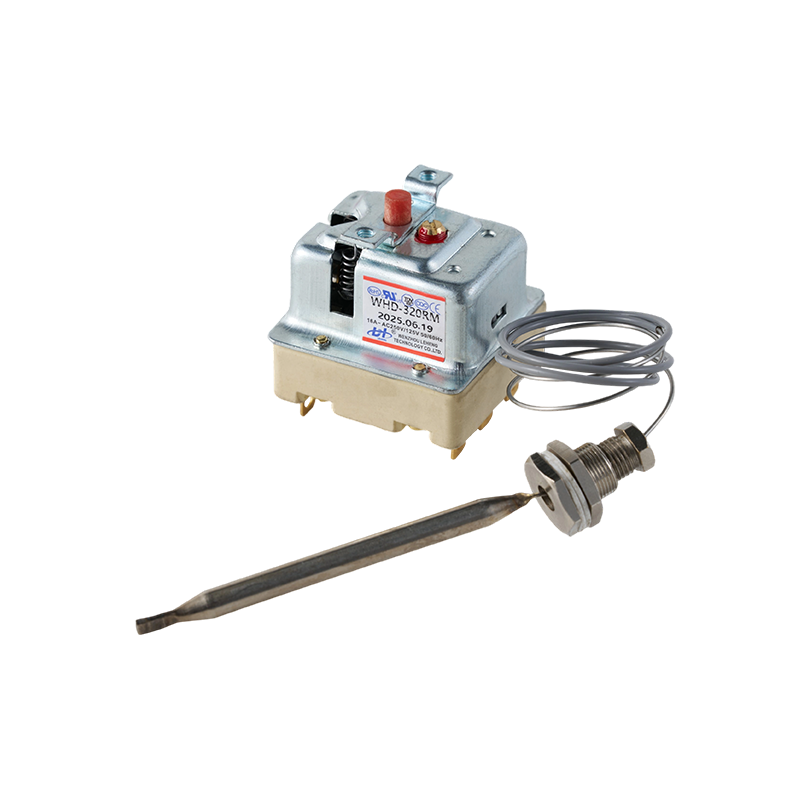
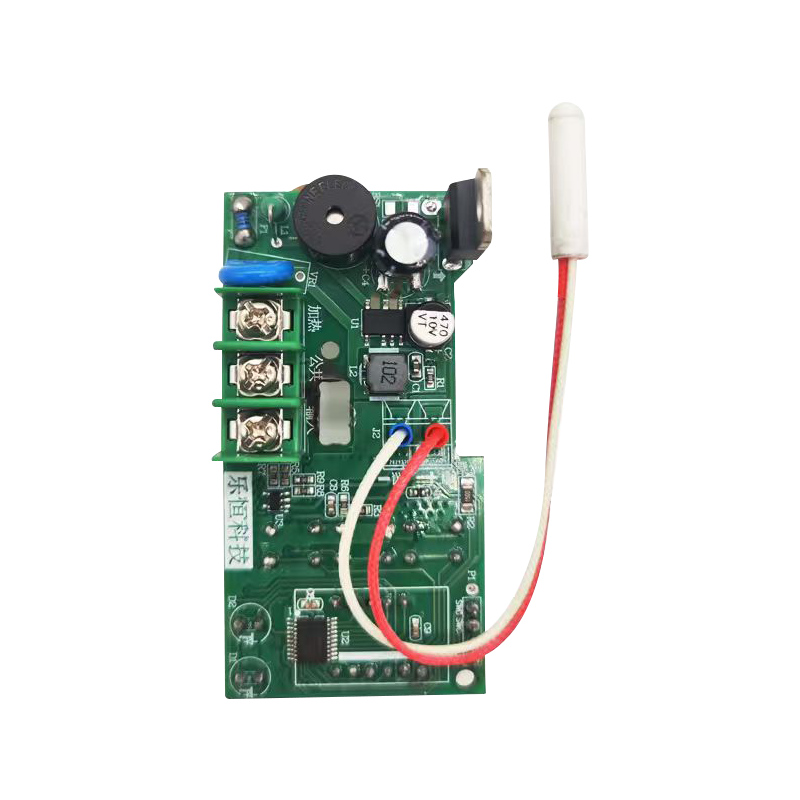
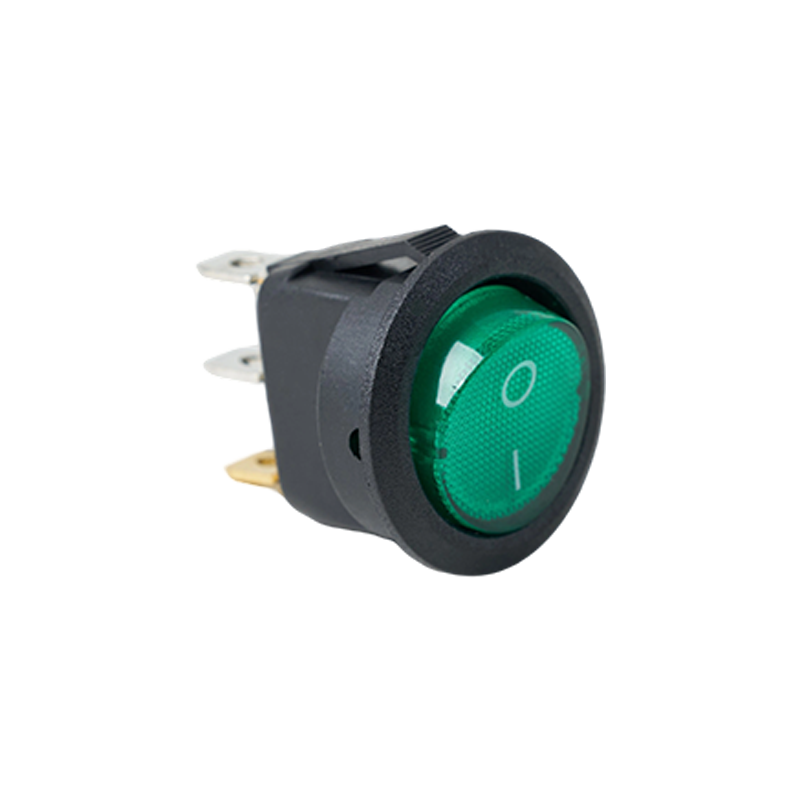
The KCD1-F LED Rocker Toggle Switch is a green illuminated round rocker switch with single...
SEARCH
CATEGORY
Rocker Switch
-

-
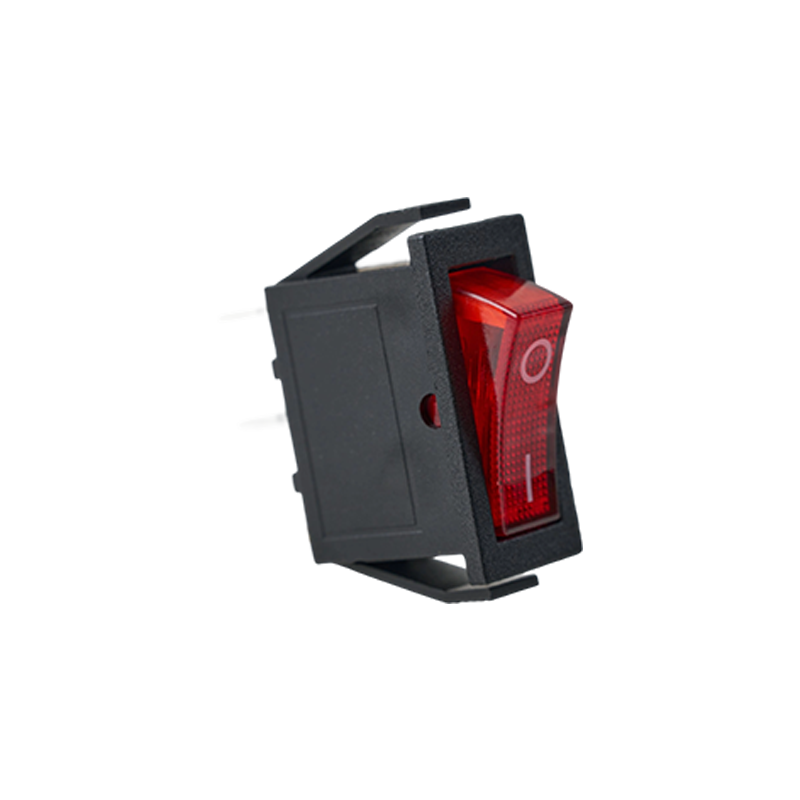 KCD3-A Red Marine Rocker Switch
The KCD3-A Red Marine Rocker Switch is a 6-pin, 2-position rocker switch with a snap-in mo...
-
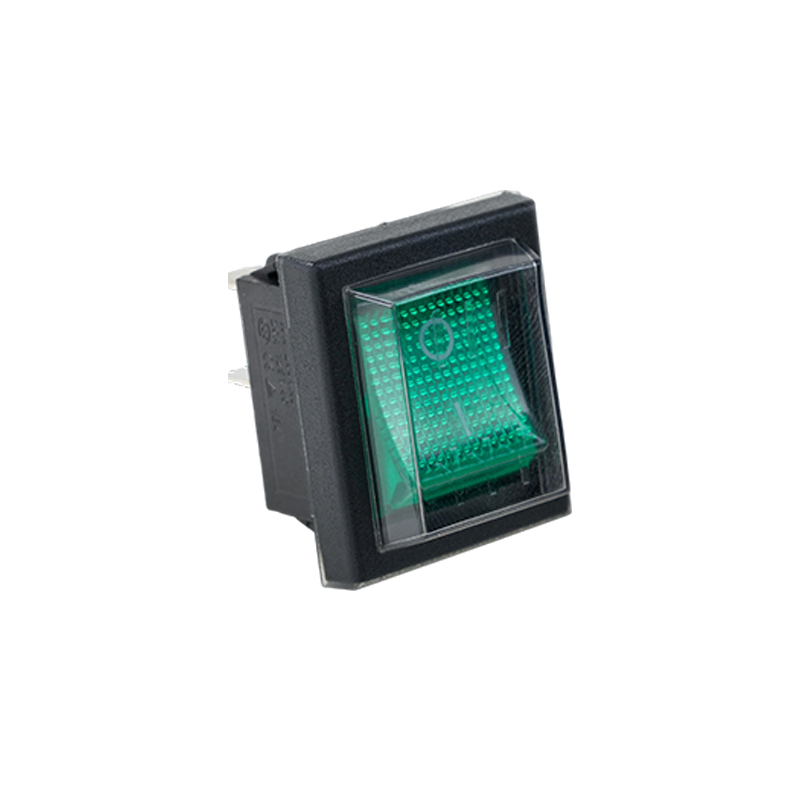 KCD4-A Green Recessed Rocker Switch
The KCD4-A Green Recessed Rocker Switch is a rectangular panel-mount switch built around a...
-
 Intelligent Remote Control Switch
Match Mode : We press and hold the "ON/OFF" button for 3 seconds. When the"Match" indicato...
A rocker switch is a panel-mounted electrical switch that opens or closes a circuit by rocking a lever (or paddle) back and forth. Its low-profile design fits standard cut-outs, offers tactile feedback, and supports single- or double-pole, single- or double-throw configurations for ON/OFF, ON/ON, or momentary functions. Rated up to 6A、10A or 16A at 250 VAC, it handles lighting, motors, and small appliances. Available in illuminated, sealed, or high-temperature versions, the switch is UL, CE, and CQC certified for safety and durability in residential, commercial, and industrial applications.
About Us
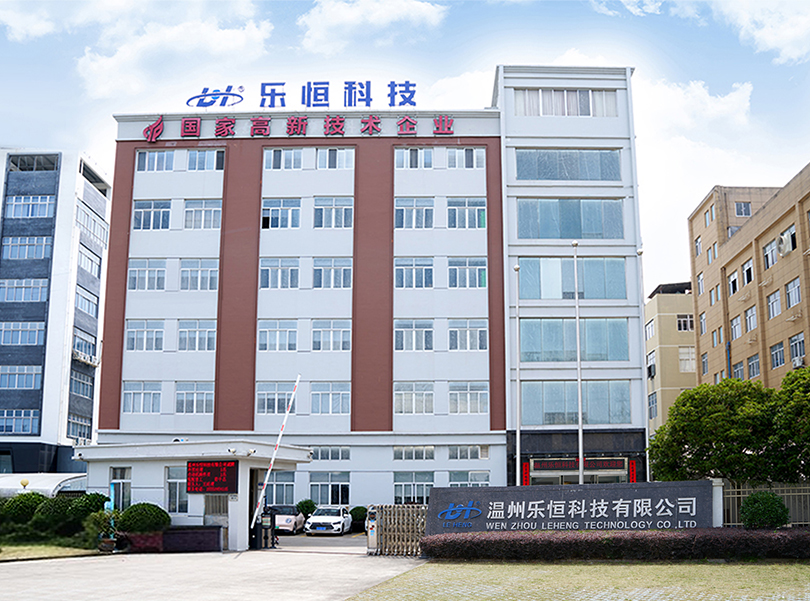
Wenzhou Leheng Technology Co., Ltd.
Established Manufacturer: Founded in 2012, we specialize in the development and manufacturing of thermostats, temperature limiters, rocker switches, and PCB thermostats.
Automated Manufacturing: Standardized assembly lines, automated production equipment, and optical inspection systems support efficient and consistent manufacturing.
Stable Production Capacity: With monthly output exceeding 1 million units and annual production exceeding 12 million units, we support stable supply for B2B orders.
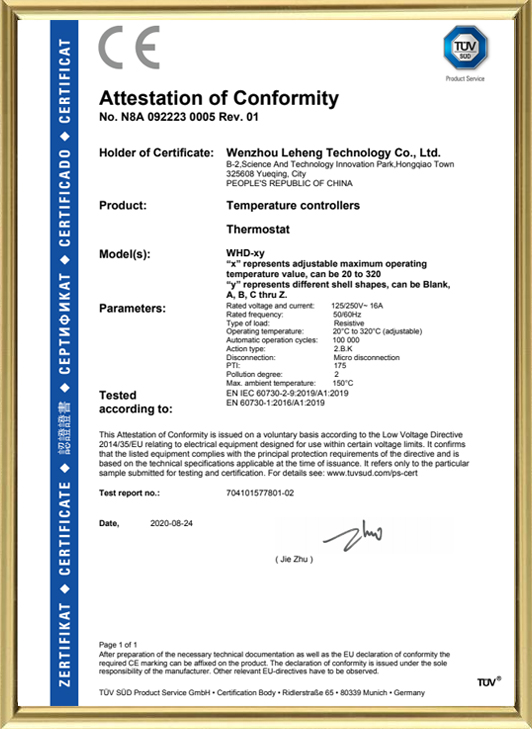
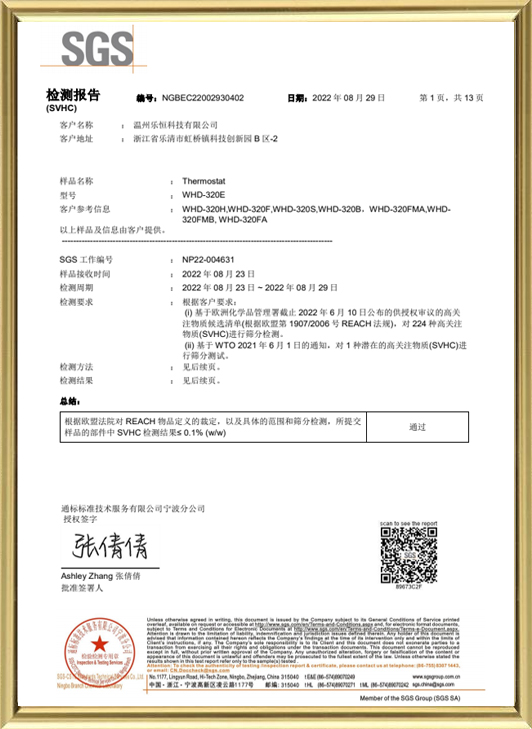
Certified Quality Management: Our products and management systems are supported by UL, TUV, CE, CQC, KC, RoHS, REACH, SGS, ISO 9001, and ISO 14001 certifications.
Technical & R&D Capability: We hold multiple patents, have participated in national industry standard development, and were recognized as a National High-Tech Enterprise in 2020.
Global Market Supply: Our products are exported to more than 80 countries and regions, supported by professional sales and order service.
Automated Manufacturing: Standardized assembly lines, automated production equipment, and optical inspection systems support efficient and consistent manufacturing.
Stable Production Capacity: With monthly output exceeding 1 million units and annual production exceeding 12 million units, we support stable supply for B2B orders.
Certified Quality Management: Our products and management systems are supported by UL, TUV, CE, CQC, KC, RoHS, REACH, SGS, ISO 9001, and ISO 14001 certifications.
Technical & R&D Capability: We hold multiple patents, have participated in national industry standard development, and were recognized as a National High-Tech Enterprise in 2020.
Global Market Supply: Our products are exported to more than 80 countries and regions, supported by professional sales and order service.
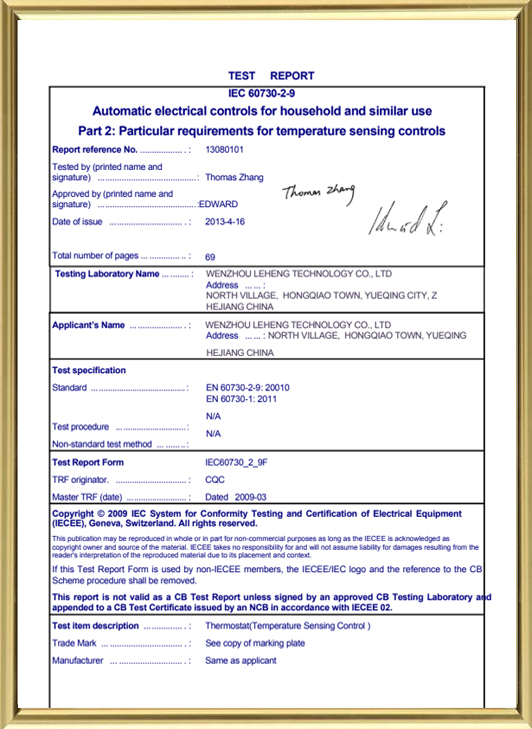
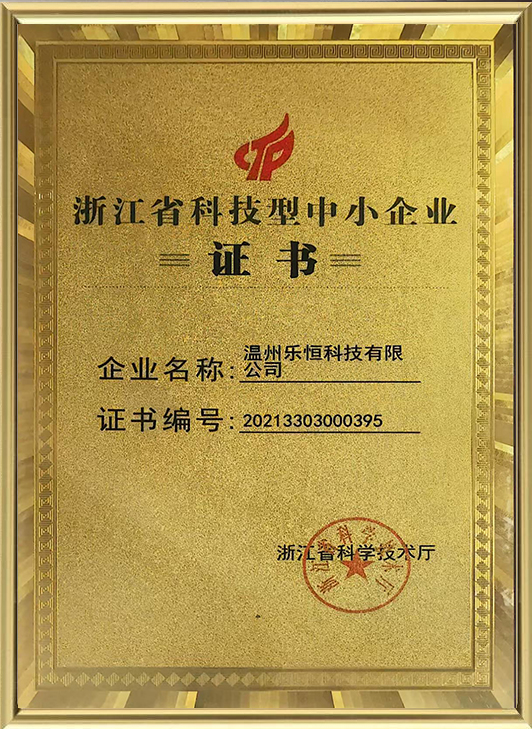
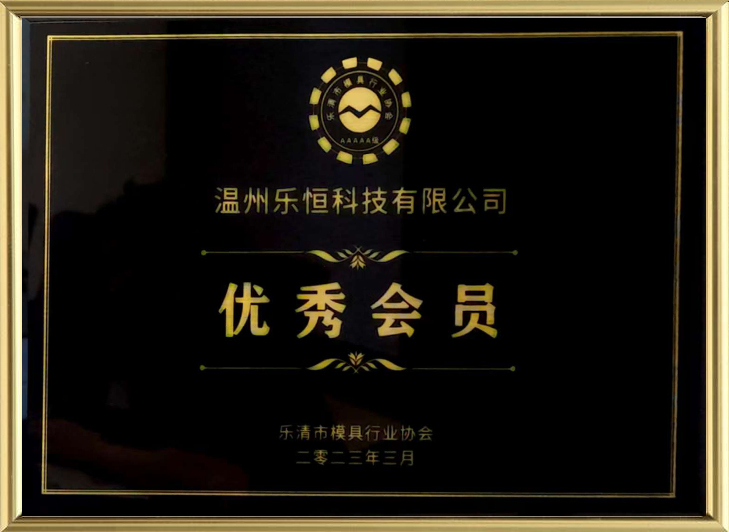
Certificate




News
-
Thermoreats play a crucial role in controlling temperature, ensuring safety, and optimizing energy efficiency. Among the more essential types of thermoreats are the Knob Capillary Thermoreat, the Capi...
READ MORE -
As night falls, the lights of Leheng Technology's factory remain brightly illuminated, a testament to the dedication and relentless pursuit of excellence that defines this national high-tech enterpris...
READ MORE -
Refrigerator thermostat issues are among the many frequent reasons appliances fail to cool properly. Mechanical thermostats, particularly capillary types sourced from China, are common in many refrige...
READ MORE -
A limit thermostat plays a critical role in heating systems by monitoring internal temperatures and acting as a safety control when abnormal heat conditions occur. Unlike comfort-focused temperature c...
READ MORE -
As night falls, the production workshops at Leheng Technology remain brightly lit; the hum of machinery and the focused figures of diligent workers intertwine to form a vivid tableau of dedication and...
READ MORE
Message Feedback
Industry knowledge
Rocker switches are widely used control components found in electrical appliances, temperature control devices, and various industrial systems. Their simple operation, reliable switching mechanics, and compatibility with different electrical loads make them essential in equipment such as heaters, thermoreats, capillary thermoreat switches, and temperature controller switches.
Overview of Rocker Switch Technology
A rocker switch is an electromechanical device used to open or close an electrical circuit. It operates by rocking a movable actuator back and forth, causing internal contacts to switch positions. Rocker switches are preferred for user-facing interfaces due to their intuitive operation and clear visual feedback.
Core Functions
- Circuit switching: Turns electrical circuits on or off.
- Control interface: Provides manual control for thermoreats, heating appliances, and process equipment.
- Status indication: Many rocker switches offer indicator lights to show operational status.
Common Usage
Rocker switches appear in many systems, including:
- Temperature controllers
- Capillary thermoreat switches
- General thermoreat switches
- Heating appliances
- Household electrical devices
- Industrial machinery and control panels
Major Classification Categories of Rocker Switches
Rocker switches can be categorized according to their electrical configuration, illumination, design structure, and application environment. Understanding these classifications helps engineers and technicians choose suitable switches for specific equipment.
Classification Based on Contact Configuration
The electrical contact configuration determines how many circuits a rocker switch can control and how they operate.
SPST (Single Pole Single Throw)
Controls one circuit with a simple ON/OFF function.
Common in heaters, temperature controller switches, and other basic control devices.
SPDT (Single Pole Double Throw)
Controls one input circuit with two output positions.
Useful for selecting between two modes or signal paths.
DPST (Double Pole Single Throw)
Controls two circuits simultaneously.
Frequently used in devices requiring dual-phase isolation for safety.
DPDT (Double Pole Double Throw)
Controls two circuits with two switching paths each.
Suitable for more complex systems requiring dual control modes or reversing operations.
Classification Based on Illumination
Illuminated rocker switches offer visual cues indicating operational status.
Non-Illuminated Rocker Switch
Simple design with no lighting element.
Often used in thermoreat switches and temperature controllers.
Indicator Light Rocker Switch
Includes built-in lamps such as:
- Neon indicators
- Small incandescent indicators
- LED indicators
These switches are helpful for equipment where users need a clear signal showing if heating, cooling, or electrical operation is active.
Classification Based on Mounting and Structural Style
Rocker switches vary in shape, size, and mounting type depending on their application.
Panel Mount Rocker Switch
Designed for installation on control panels.
Common in temperature controller switches and heating system interfaces.
Typically secured with clips or screw mounts.
Snap-In Rocker Switch
Fits into a pre-cut panel opening.
Quick installation and widely used in domestic appliances.
Waterproof or Splash-Resistant Rocker Switch
Protected with seal caps or encapsulated housing.
Suitable for environments with moisture exposure or steam, such as heating controls and kitchen equipment.
Miniature Rocker Switch
Compact size for small appliances.
Applied in portable heaters, compact temperature control modules, and electronic devices.
Classification Based on Application Purpose
Heating System Rocker Switch
Used in equipment such as:
- Capillary thermoreat switches
- Thermoreat housings
- Temperature controller switches
Provides simple, reliable manual control for heating activation or mode selection.
Industrial Control Rocker Switch
Often found in machinery, tools, and industrial automation systems.
Designed with enhanced durability and higher switching capacity.
Household Appliance Rocker Switch
Used in:
- Kitchen appliances
- Air-moving devices
- Electric ovens and toasters
- Small electrical equipment
Focuses on user-friendly operation and aesthetic integration.
Classification Based on Safety and Electrical Ratings
Low-Current Rocker Switch
Suitable for small loads such as indicator circuits or low-power temperature controllers.
Medium-Current Rocker Switch
Common in thermoreat switches controlling heaters or motors.
High-Current Rocker Switch
Designed for large heating equipment, compressors, or industrial loads.
Reinforced internal contacts for durability under heavy use.
Rocker Switch Components and Mechanisms
Rocker switches incorporate several essential parts:
Actuator
The visible portion users press to operate the switch.
Internal Contacts
Metal components that open or close the circuit.
Types may include:
- Silver alloy contacts
- Copper-based contacts
Housing
Made from insulated materials to protect users and internal components.
Illumination Assembly
Optional LED or lamp unit indicating switch status.
Terminals
Common terminal types include:
- Solder terminals
- Quick-connect terminals
- Screw terminals
Comparison Table: Rocker Switch Types
| Classification Basis | Switch Type | Key Features | Typical Use |
| Contact configuration | SPDT | Simple ON/OFF | Basic thermoreats, heaters |
| Contact configuration | SPDT | Two output positions | Mode selection |
| Illumination | Illuminated | Visual indication | Temperature controllers |
| Structure | Snap-in | Quick installation | Household appliances |
| Safety design | Waterproof | Moisture protection | Heating systems, kitchen appliances |
Applications in Thermoreat and Temperature Control Systems
Rocker switches are often integrated into temperature regulation equipment. Examples include:
- Capillary Thermoreat Switches
Rocker switches act as system control interfaces for turning heating circuits on or off.
- Temperature Controller Switches
Provide manual command for temperature adjustment modes or power activation.
- General Thermoreat Switches
Allow users to override or activate heating elements manually when necessary.
The combination of thermoreatic sensing elements and rocker control interfaces provides a simple and effective temperature management solution.
Industry Trends and Developments
Rocker switch technology is evolving with new requirements in temperature regulation, control panels, and home appliances.
- Enhanced Material Durability
Modern switches use improved insulating materials for higher heat resistance.
- Energy Efficiency Integration
LED indicators are more common due to reduced energy consumption and longer service life.
- Increasing Demand for Custom Designs
Manufacturers adapt rocker switches for ergonomic interfaces, compact layouts, and improved usability.
- Environmental Adaptation
Water-resistant or dust-resistant rocker switches are gaining popularity in heating and ventilation systems.
Rocker switches play an important role in temperature control devices such as capillary thermoreat switches, thermoreat switches, and temperature controller switches. Through various classifications—such as contact configuration, illumination, structural design, and application purpose—rocker switches provide flexible control solutions across domestic, commercial, and industrial environments. Their simplicity, efficiency, and adaptability continue to support consistent and safe operation in modern electrical systems.
PLEASE LEAVE YOUR SPECIFIC REQUIREMENT

QUICK LINKS
PRODUCTS
CONTACT
-
+86-15957748531
+86-15558959105
+86-19588099846
+86-18815077137 -
jilly@wzleh.com
east@wzleh.com
scott@wzleh.com
kim@wzleh.com
ADDRESS
- STI Park #B-2, Hongqiao Yueqing City, Zhejiang, China, 325608


Capillary Thermostat Switch Supplier
Copyright © Wenzhou Leheng Technology Co., Ltd. All Rights Reserved.