


 English
 Türk
Türk
SEARCH
HOT PRODUCTS


Newsletter
Refrigerator Thermostat Troubleshooting Methods to Fix Common Issues Quickly
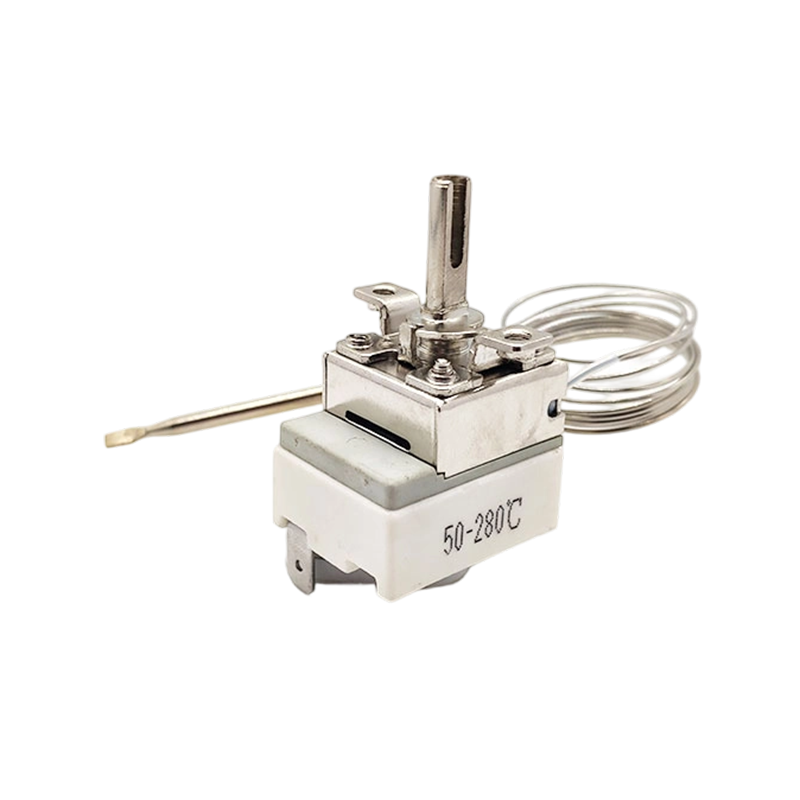
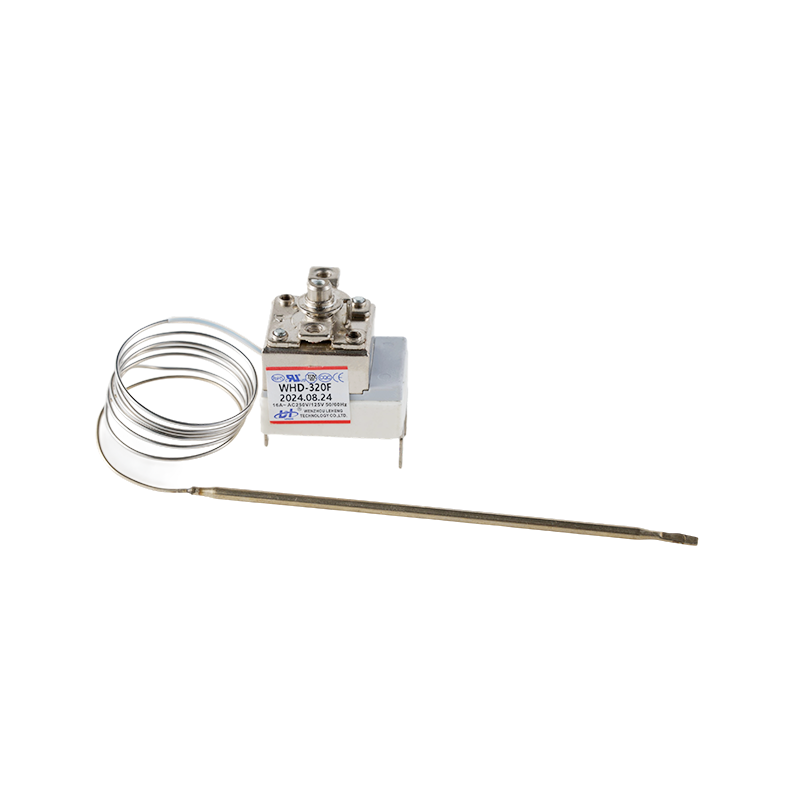
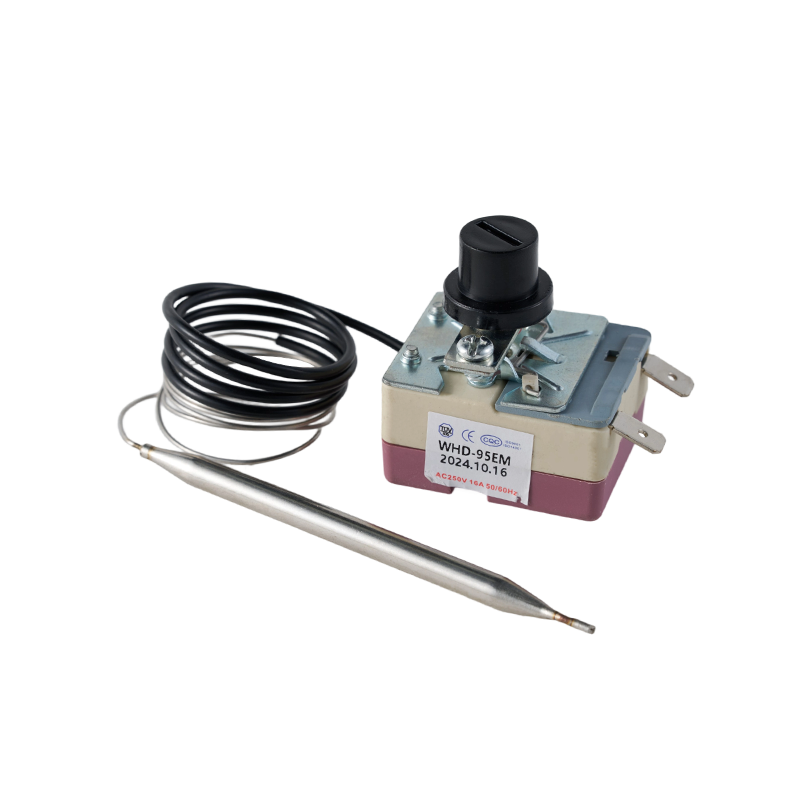
Refrigerator thermostat issues are among the many frequent reasons appliances fail to cool properly. Mechanical thermostats, particularly capillary types sourced from China, are common in many refrigerators—found in both household and small commercial models due to their straightforward design, easy installation, and wide availability. These components act as the appliance’s temperature regulator, signaling the compressor to start or stop based on internal conditions. Understanding how to troubleshoot these components allows users to resolve issues quickly, prevent spoilage of perishables like dairy and fresh produce, save time, and avoid unnecessary service calls that add to maintenance costs.
Identifying Common Problems
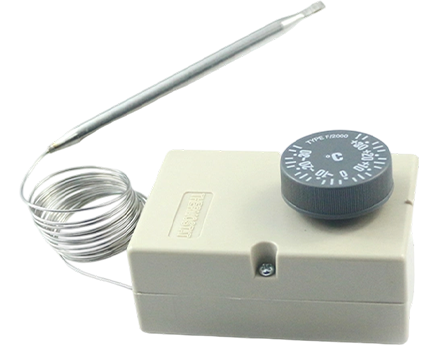
Symptoms of a faulty thermostat include inconsistent cooling, overfreezing, or a complete lack of refrigeration. These signs may manifest gradually, such as food warming up in the fridge compartment while the freezer remains cold, or suddenly with a total loss of cooling function—often noticeable when drinks feel lukewarm or produce wilt quickly. It is important to distinguish between thermostat failure and other appliance issues, such as compressor problems or sensor malfunctions, as troubleshooting steps vary significantly. Capillary thermostats rely on precise fluid movement in the thin tube, so even small damage—like cracks from accidental bumps, wear over time, or loose connections—can cause incorrect operation by disrupting fluid flow and altering temperature detection.
Testing the Thermostat
Unplug the refrigerator before testing to eliminate electrical hazards and ensure safe operation. Use a multimeter set to the appropriate continuity or resistance mode to check for changes as the thermostat knob is adjusted through its full range of settings. For mechanical units, slight manipulation of the capillary tube—moving it gently along its length to ensure no kinks or blockages—may help confirm functionality, as restricted movement often points to internal clogs or fluid leaks. Careful observation of multimeter readings alongside knob adjustments, such as noting if readings shift consistently with setting changes, helps identify whether the thermostat is the source of the problem, rather than unrelated components like wiring or the compressor.
Quick Repair Solutions
Simple problems may be resolved by repositioning the sensing bulb to ensure it makes proper contact with the cooling coil—avoiding gaps that hinder accurate temperature detection—or adjusting the control knob to calibrate temperature settings correctly, as misalignment can off-kilter cooling. Dust buildup around the bulb can also interfere with performance by insulating it from real internal temperatures, so wiping it clean with a soft cloth is a useful one-step process that requires no special tools. If the thermostat is damaged—such as visible cracks in the tube, frayed wiring, or no response to multimeter tests—replacing it with a compatible capillary thermostat from China is often necessary. Follow the correct installation procedures, including securing the capillary tube without tight bends and reconnecting wires as per the original layout, to ensure the new thermostat operates reliably.
Preventive Tips
Regular maintenance helps reduce thermostat failures and extends the overall lifespan of the refrigerator. Avoid sharp bends or pinching of the capillary tube when moving the appliance or cleaning behind it, as these issues can disrupt internal fluid flow over time and advanced gradual performance decline. Check the sensor location periodically to ensure it stays positioned correctly, away from direct contact with food items, and is free from dirt or debris that could skew readings. Selecting a quality thermostat from a reliable supplier in China helps maintain consistent cooling and reduces unexpected appliance downtime, as well-constructed units hold up better under regular use and resist common wear factors like temperature fluctuations and vibration.
OUR PRODUCTS
Recommended Products


PLEASE LEAVE YOUR SPECIFIC REQUIREMENT

QUICK LINKS
PRODUCTS
CONTACT
-
+86-15957748531
+86-15558959105
+86-19588099846
+86-18815077137 -
jilly@wzleh.com
east@wzleh.com
scott@wzleh.com
kim@wzleh.com
ADDRESS
- STI Park #B-2, Hongqiao Yueqing City, Zhejiang, China, 325608


Leheng Thermostat Factory
Copyright © Wenzhou Leheng Technology Co., Ltd. All Rights Reserved.