


 English
 Türk
Türk
SEARCH
HOT PRODUCTS


Newsletter
Refrigerator Thermostat Technologies: Look at A Balanced
The Refrigerator thermostat is the key component managing the cooling cycle of refrigeration appliances, and it comes in two primary forms: traditional mechanical controls and modern electronic systems. Each type has distinct operational characteristics and suits different appliance designs, usage scenarios, and user preferences. This comparison explores how they function in practice and where each is typically applied across the market. Notably, the mechanical capillary type, a mature and widely used technology with a long track record, sees substantial global production from regions including those referenced by capillary thermostat china, which further supports its continued presence in both new appliances and repair markets.
Function and Design of the Mechanical Thermostat
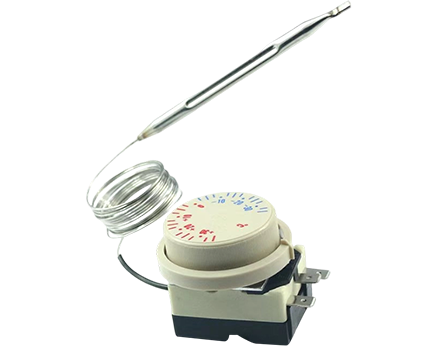
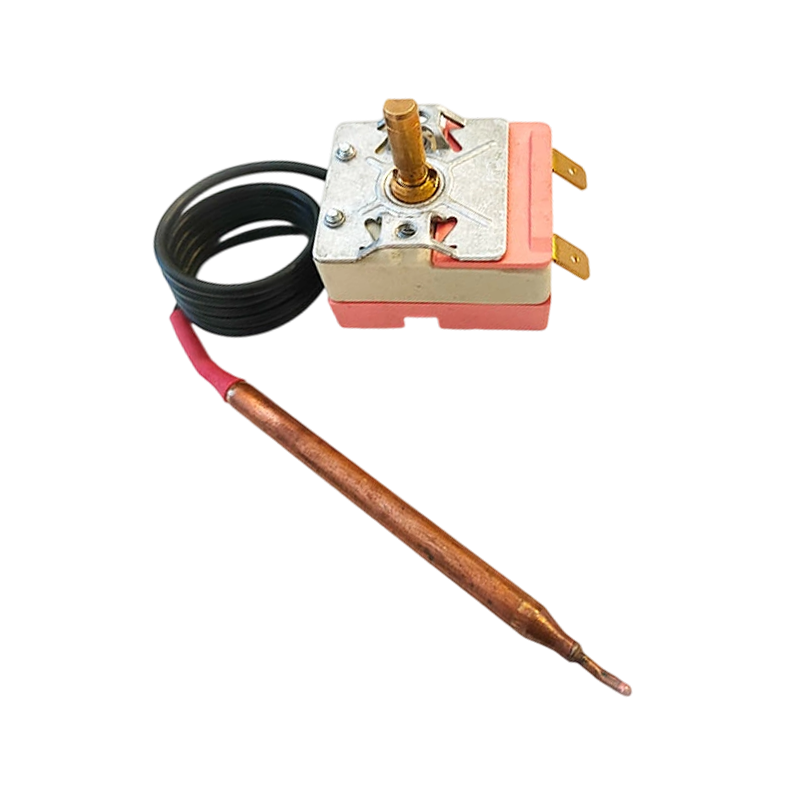
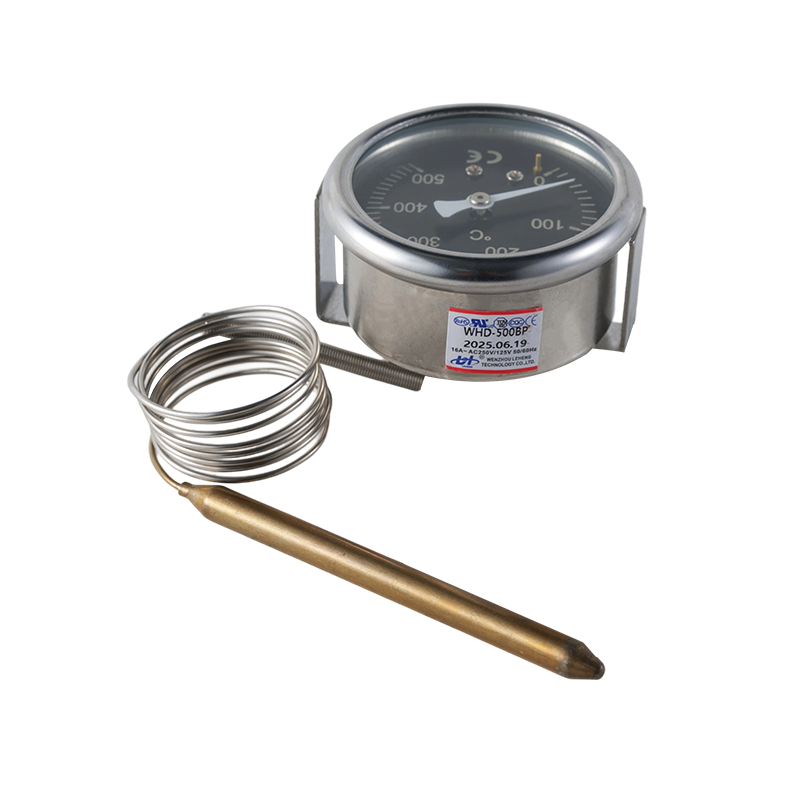
The mechanical Refrigerator thermostat, often a capillary type, operates on a straightforward physical principle of thermal expansion and contraction. A sealed capillary tube connected to a sensing bulb contains a specialized fluid—such as a refrigerant or oil—that expands when heated and contracts when cooled. This subtle physical movement directly actuates a mechanical switch, which in turn controls the power supply to the refrigerator’s compressor. Its design is widely appreciated for direct operation, structural simplicity, and impressive durability under regular use. Importantly, it does not require its own independent power source to function, relying solely on the thermal energy from the surrounding environment. User control is typically via a manual dial that adjusts a spring tension, thereby changing the temperature threshold at which the switch activates. Its limitations include a relatively broad differential between on and off temperatures, being prone to minor temperature fluctuations, and having fewer options for precise programming compared to digital alternatives.
Operation and Features of the Electronic Control System
Electronic refrigerator controls replace the mechanical switch with a high-precision digital temperature sensor and a programmable microcontroller. The sensor provides continuous, real-time temperature data to the central control board, which can activate or deactivate the compressor with precise timing to maintain stable internal temperatures. These advanced systems allow for specific, exact temperature settings via a digital display—often in 1-degree increments—and can incorporate a range of value-added features like separate cooling zones for fresh and frozen foods, door-open alarm functions, and self-diagnostic modes to detect malfunctions. They can also contribute to enhanced energy efficiency by optimizing compressor run times with meticulous precision, reducing unnecessary power consumption. However, their operation depends on integrated circuit boards and a constant power supply, and diagnosis or repair of electronic systems often requires more specialized technical knowledge and tools than mechanical counterparts.
Practical Applications and Market Positions
Both technologies maintain solid and distinct positions in the global appliance industry. Mechanical thermostats are commonly found in entry-level and mid-range household refrigerators, compact models for dormitories or offices, and many commercial cooling applications—such as convenience store display cases and small-scale cold storage—where straightforward operation, low cost, and easy maintenance are primary considerations. Their physical robustness and resistance to minor wear make them particularly valued in environments where simplicity and reliability take precedence over advanced features. Electronic controls, by contrast, are frequently used in higher-tier household models, French door refrigerators, and units marketed with "smart" connectivity features or precise temperature management for specialized storage needs, such as wine cellars, meat lockers, or sensitive pharmaceutical storage.
The Manufacturing Landscape Supporting Both Technologies
The persistence of mechanical thermostat technology in the market is strongly supported by established and large-scale manufacturing capabilities worldwide. The sector known as capillary thermostat China represents a significant global source of these components, producing them in massive volumes that meet both worldwide demand for new appliance production and the ongoing need for repair and replacement parts. This well-developed manufacturing base has refined the production process of these units over decades, focusing on consistent performance, reliability, and cost-effectiveness. Even as electronic controls gain broader adoption in premium and smart appliance segments, the demand for mechanical Refrigerator thermostats remains steady due to their unique advantages in specific use cases. The ready availability of these components from concentrated manufacturing regions ensures they remain a practical and accessible option for a wide range of refrigeration needs, illustrating how mature, proven technologies can coexist harmoniously with newer innovations in a competitive global market.
OUR PRODUCTS
Recommended Products


PLEASE LEAVE YOUR SPECIFIC REQUIREMENT

QUICK LINKS
PRODUCTS
CONTACT
-
+86-15957748531
+86-15558959105
+86-19588099846
+86-18815077137 -
jilly@wzleh.com
east@wzleh.com
scott@wzleh.com
kim@wzleh.com
ADDRESS
- STI Park #B-2, Hongqiao Yueqing City, Zhejiang, China, 325608


Leheng Thermostat Factory
Copyright © Wenzhou Leheng Technology Co., Ltd. All Rights Reserved.