


 English
 Türk
Türk
SEARCH
HOT PRODUCTS

Newsletter
Manual Reset Capillary Thermostat Failures: Reset Button Not Working?
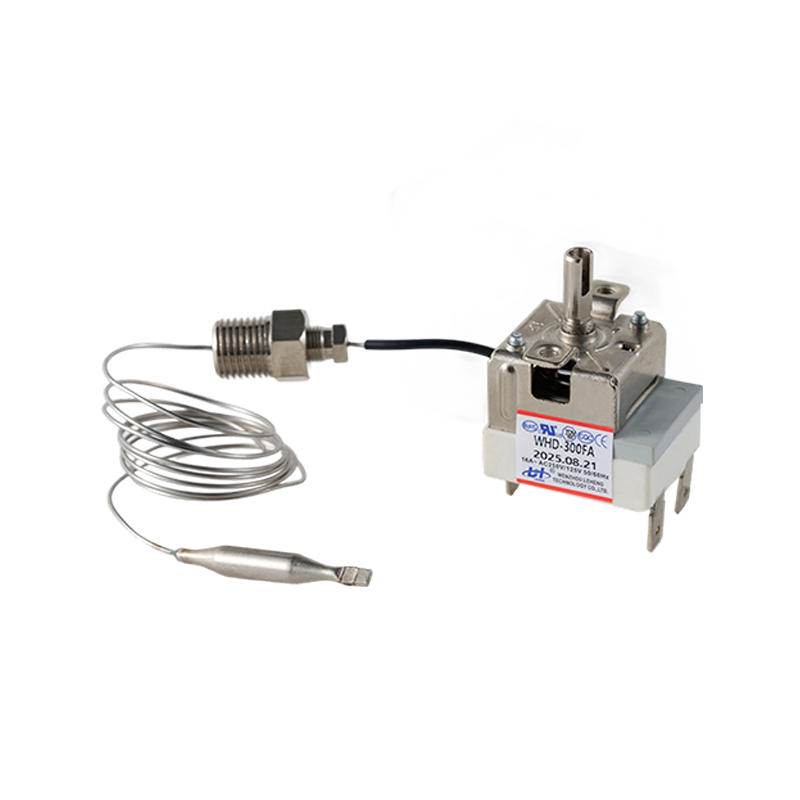
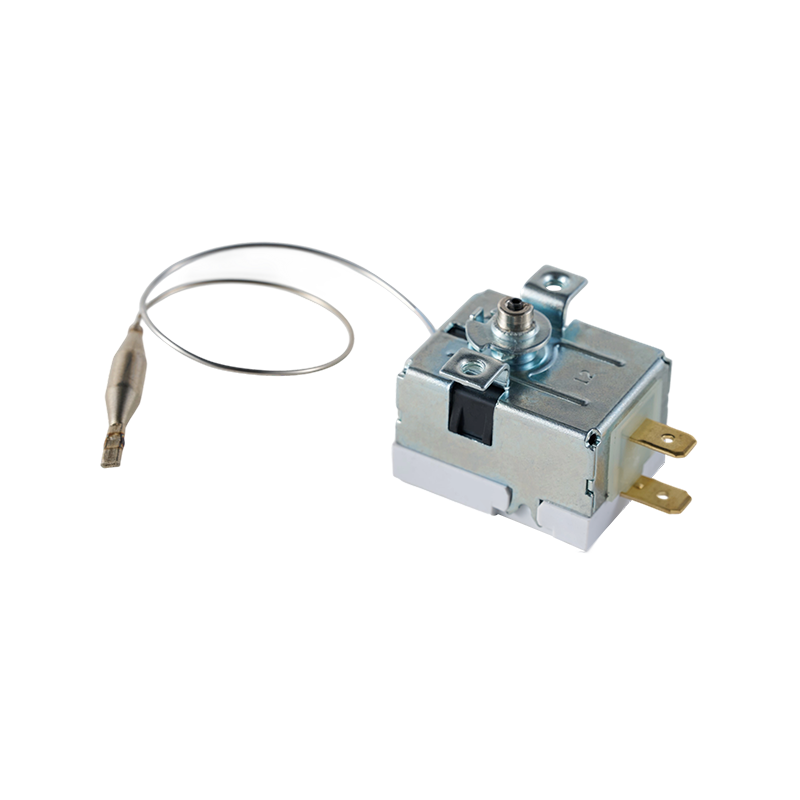
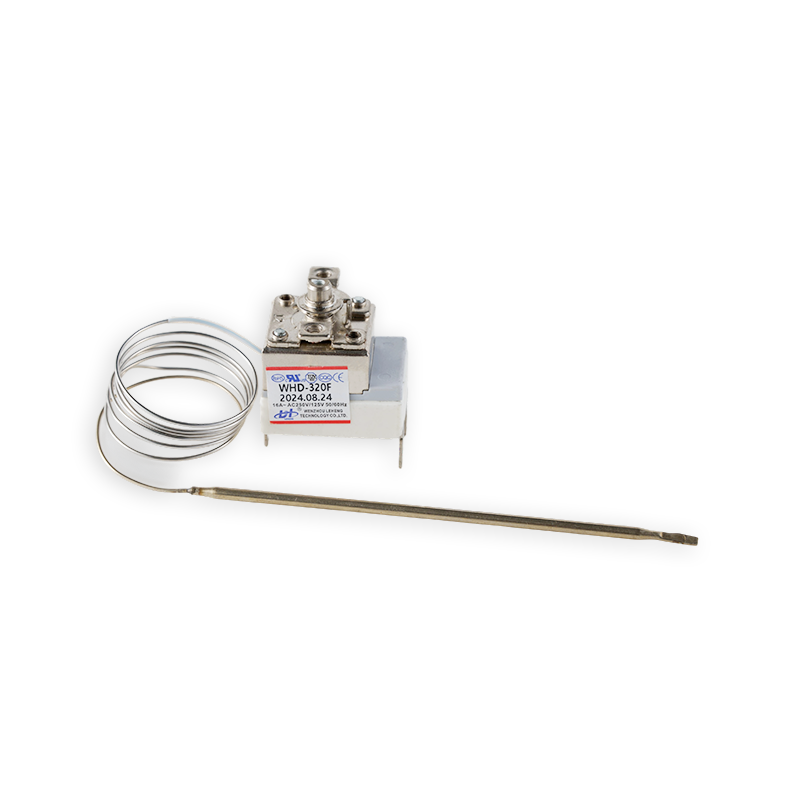
In temperature safety systems, a Manual Reset Capillary Thermostat is widely used to protect equipment from overheating by cutting off power when abnormal temperature levels are detected. After tripping, the device requires a manual reset before the system can operate again. However, a common concern in practical use is that the reset button does not respond as expected, which often leads to questions about whether the device is faulty or still in a protective state.
Understanding the possible reasons behind this behavior helps in identifying whether the issue is mechanical, electrical, or related to system conditions.
How the Reset Mechanism Works
The reset button is part of a mechanical safety structure inside the thermostat. When overheating occurs, the internal contacts disconnect and remain in a locked position. Pressing the reset button restores the internal linkage and allows the circuit to reconnect.
This process only works when the internal conditions are within the allowed range. If the safety condition has not been cleared, the reset function will not activate.
Mechanical Wear and Internal Stress
One possible reason for reset failure is mechanical wear inside the device. Since the reset mechanism relies on small moving parts, repeated thermal cycling may gradually affect its performance.
Common issues include:
- Internal spring fatigue
- Increased friction in moving components
- Slight deformation of mechanical parts
These changes can make the reset button feel stiff or unresponsive.
Electrical Contact Condition
The thermostat also depends on internal electrical contacts. When the device experiences high temperature or load stress, the contact surfaces may be affected.
Possible conditions include:
- Surface oxidation
- Carbon deposits from repeated switching
- Partial sticking of contact points
These factors may prevent the internal circuit from returning to its normal state even when the reset button is pressed.
Temperature Not Fully Recovered
Another factor is the actual temperature condition of the sensing area. The capillary system continues to detect heat from the environment, and if the sensing bulb has not fully cooled, the thermostat will remain in a tripped state.
This can happen when:
- Heat is still retained in nearby components
- Air circulation is limited
- The sensor is close to a heat source
In such cases, the reset button will not function until conditions stabilize.
Capillary System Issues
The capillary tube is essential for transferring temperature signals. If this part is damaged or malfunctioning, reset behavior may be affected.
Possible issues include:
- Leakage in the capillary line
- Loss of internal pressure
- Physical bending or damage during installation
Any of these can prevent proper temperature sensing and keep the device in safety mode.
External Factors Affecting Reset
Environmental and installation conditions can also influence reset performance.
Examples include:
- Dust or oil entering the reset mechanism
- Incorrect mounting position of the sensing bulb
- Continuous exposure to residual heat sources
These conditions may prevent the thermostat from returning to normal operation.
Basic Troubleshooting Steps
When the reset button does not work, several simple checks can help identify the cause:
- Confirm actual temperature near the sensing area
- Inspect capillary tube for visible damage
- Check whether reset button moves freely
- Verify electrical continuity after pressing reset
These steps help distinguish between mechanical failure and thermal protection behavior.
Maintenance Considerations
To reduce reset-related issues, regular inspection is helpful. Keeping the device clean, ensuring proper installation, and avoiding prolonged operation near limit temperatures can help maintain stable performance.
A reset button not working in a Manual Reset Capillary Thermostat is not always a direct failure. It may be related to temperature conditions, mechanical wear, electrical contact behavior, or installation factors. Proper understanding of these causes helps in identifying whether maintenance or replacement is required.
OUR PRODUCTS
Recommended Products



PLEASE LEAVE YOUR SPECIFIC REQUIREMENT

QUICK LINKS
PRODUCTS
CONTACT
-
+86-15957748531
+86-15558959105
+86-19588099846
+86-18815077137 -
jilly@wzleh.com
east@wzleh.com
scott@wzleh.com
kim@wzleh.com
ADDRESS
- STI Park #B-2, Hongqiao Yueqing City, Zhejiang, China, 325608


Leheng Thermostat Factory
Copyright © Wenzhou Leheng Technology Co., Ltd. All Rights Reserved.