


 English
 Türk
Türk
SEARCH
HOT PRODUCTS

Newsletter
What Makes a 50-300 Degree Thermostat Suit High-Heat Equipment?
Mid-to-high temperature heating equipment tends to run into the same sourcing problem: a thermostat rated for household use tops out well before the equipment ever reaches its working temperature, while a thermostat built for very high-heat protection is often too coarse for everyday adjustment. This 50–300°C capillary liquid-expansion thermostat, with a knob dial, sits in the range between those two — a 50-300 degree thermostat controlled through a knob-and-dial interface rather than a digital display.
A Mechanical Design Built Around the Dial
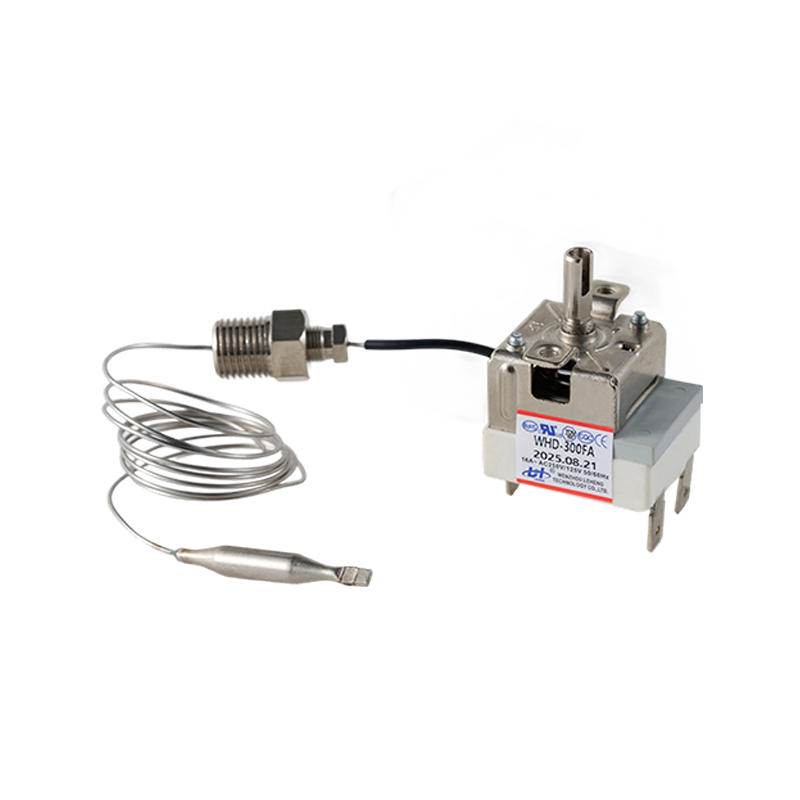
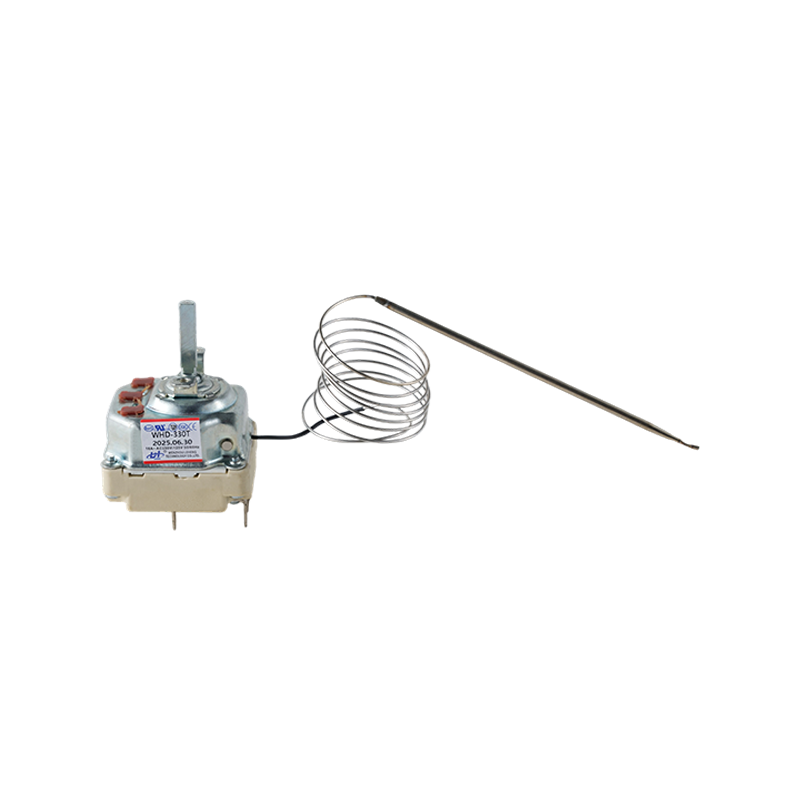
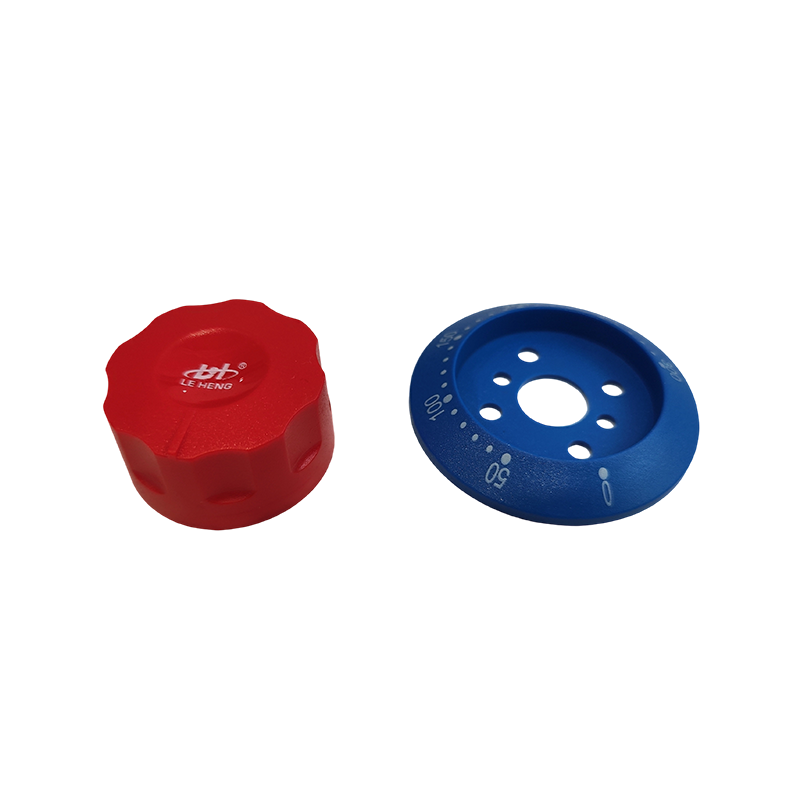
Like other capillary thermostats in Leheng's lineup, this 50-300 degree thermostat, with its knob dial, uses a metal sensing bulb connected by a copper capillary tube to a mechanical switch. As the bulb heats up, the fill inside expands and trips the switch once the dial's set point is reached; when the equipment cools, the switch resets on its own. The knob and dial sit on the outside of the equipment housing, letting an operator adjust the working temperature by hand without opening a panel or reprogramming a digital controller — a detail that matters on equipment where the same unit runs different products or recipes throughout a shift.
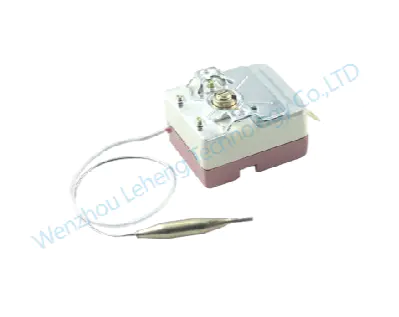
Why a 50-300 Degree Thermostat Fits Mid-to-High Heat Equipment
The range covered by this 50-300 degree thermostat is wide enough for many temperatures used in commercial food service and light industrial heating, without extending into the territory reserved for dedicated high-limit safety devices. In commercial kitchens, that band covers deep fryers, frying and roasting ovens, hot-air circulation ovens, warming cabinets, and hot plate equipment, along with electric ovens, commercial baking ovens, pizza ovens, and bread ovens — equipment that typically runs somewhere between the low hundreds and 300°C depending on the product being cooked. Outside the kitchen, the same range applies to small industrial ovens and mold-heating tables, where the working temperature also tends to sit in the mid-to-high range rather than at either extreme.
Extending Into Rubber and Small Reactor Applications
Beyond standard heating equipment, this 50-300 degree thermostat also has a role in rubber vulcanization equipment and small reactor vessels used for chemical heating processes. Both applications involve sustained heat over a working cycle, and both benefit from a mechanical thermostat that an operator can dial to a specific process temperature without relying on external power for the sensing element itself. This is less about precision at a single fixed point and more about giving equipment operators a dependable way to hold a chosen temperature across a wide operating band.
What the Knob-and-Dial Format Changes in Practice
The trade-off with any 50-300 degree thermostat of this capillary type is that the dial only reflects the temperature at the sensing bulb, so bulb placement relative to the actual heating zone still determines how accurately the displayed setting matches real conditions. On ovens and heating tables where the bulb sits close to the heating element, this is straightforward; on larger equipment such as industrial ovens or reactor vessels, the capillary length and bulb position need to be specified against the equipment's actual layout rather than assumed from the temperature range alone.
Where This Thermostat Fits in Leheng's Broader Lineup
Leheng produces several capillary thermostat families across different current ratings and temperature bands, from lower-range units built for household water heaters up through high-limit safety devices rated to 320°C. As a 50-300 degree thermostat , this knob-dial unit occupies the middle of that range, aimed at equipment that needs a wider working band than a household appliance requires but doesn't call for the fixed, automatic-reset behavior of a dedicated safety limiter. For manufacturers specifying heating controls across fryers, ovens, mold-heating tables, or small reactor equipment, matching the thermostat's adjustable range and bulb configuration to the specific piece of equipment remains the deciding factor, regardless of which family the unit comes from.
OUR PRODUCTS
Recommended Products




PLEASE LEAVE YOUR SPECIFIC REQUIREMENT

QUICK LINKS
PRODUCTS
CONTACT
-
+86-15957748531
+86-15558959105
+86-19588099846
+86-18815077137 -
jilly@wzleh.com
east@wzleh.com
scott@wzleh.com
kim@wzleh.com
ADDRESS
- STI Park #B-2, Hongqiao Yueqing City, Zhejiang, China, 325608


Leheng Thermostat Factory
Copyright © Wenzhou Leheng Technology Co., Ltd. All Rights Reserved.