


 English
 Türk
Türk
SEARCH
HOT PRODUCTS
Newsletter
Why Capillary Thermostat Switch Placement Matter More?
Many heating systems do not fail because the heating element stops working.
Instead, temperature control slowly becomes inaccurate first. Water overheats slightly, heating cycles become longer, or equipment starts turning on and off more frequently than before. In kitchens, industrial heaters, and commercial appliances, technicians often trace these problems back to one small detail — sensor placement inside the Capillary Thermostat Switch system.
The thermostat itself may still function normally.
The problem is that temperature is being detected from the wrong location.
Actually, a few centimeters of installation difference can completely change how the switch reacts during operation.
Heat Does Not Spread Evenly Inside Equipment
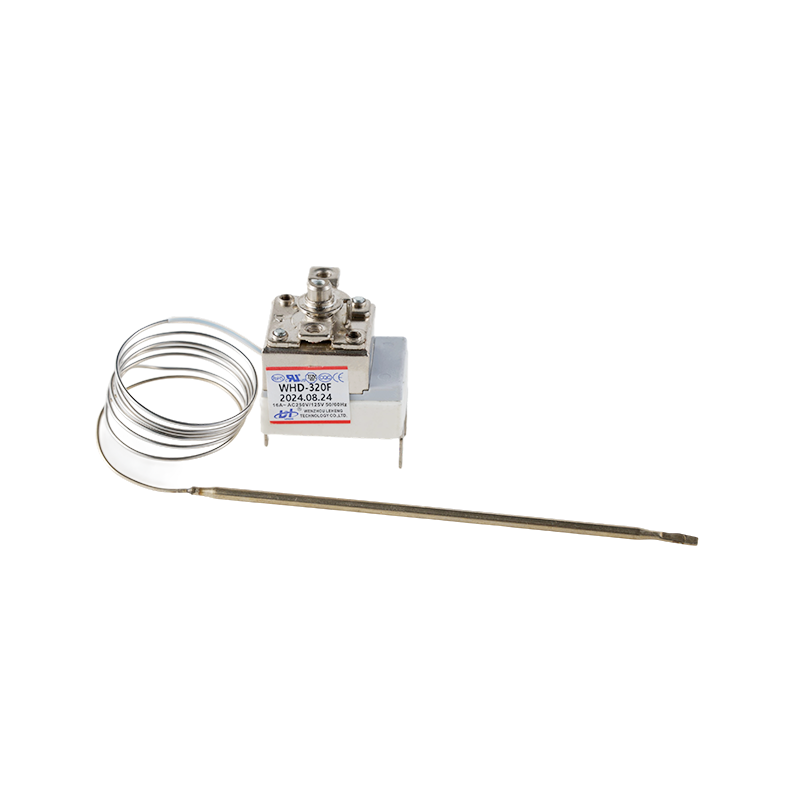
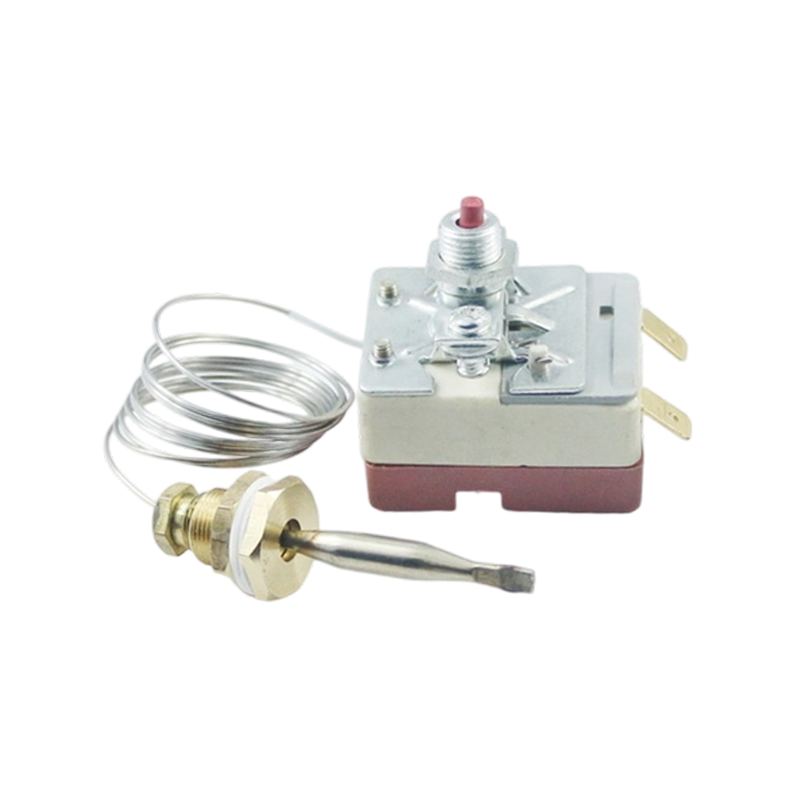
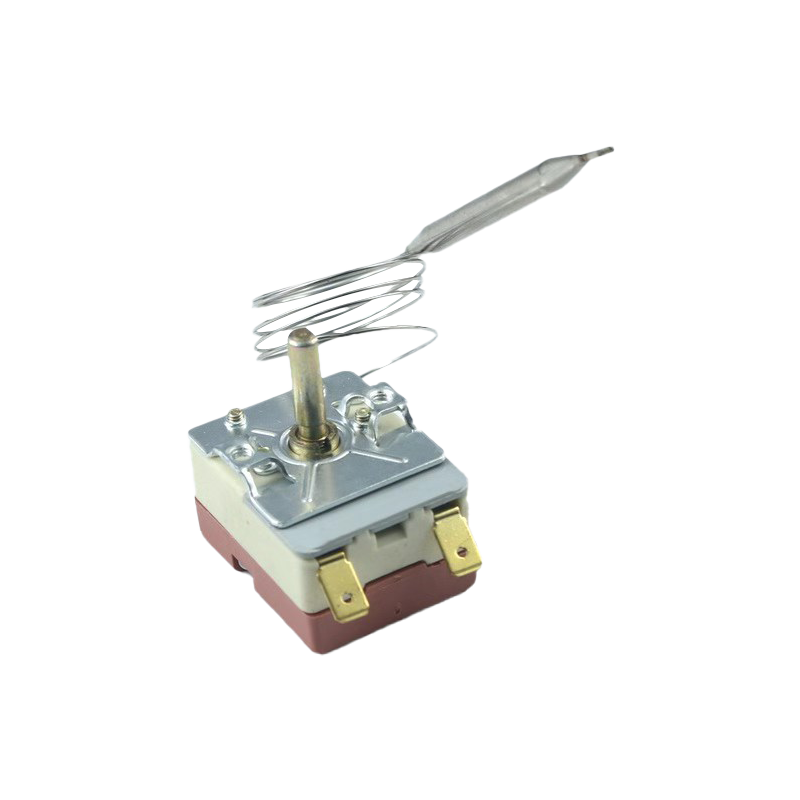
A Capillary Thermostat Switch works by transferring temperature changes through a fluid-filled sensing bulb and capillary tube. As temperature rises, internal pressure changes move the switch mechanism mechanically.
In real equipment, however, heat rarely distributes evenly.
Inside water heaters, ovens, fryers, or heating tanks, certain areas warm faster while others remain cooler for longer periods. If the sensing bulb sits too close to the heat source, the thermostat may shut off early before the overall system reaches stable temperature.
This becomes especially noticeable in:
- water boilers
- commercial fryers
- electric ovens
- dishwashing equipment
- industrial heating tanks
Actually, some unstable temperature problems come from sensing local heat rather than measuring the actual working temperature of the entire system.
Long Capillary Tubes Create Installation Challenges
One advantage of a Capillary Thermostat Switch is that the sensing bulb can sit far away from the electrical contacts themselves. This allows the switch body to remain protected outside high-temperature areas.
At the same time, the capillary tube becomes one sensitive part during installation.
Sharp bending, vibration, or excessive pressure on the tube may gradually affect internal pressure transmission. Even slight deformation sometimes changes how accurately the thermostat responds over time.
Technicians usually pay attention to:
- bending radius
- tube vibration
- clamp pressure
- routing distance
- contact with hot surfaces
Actually, damaged capillary tubes often fail gradually instead of stopping suddenly.
Fast Heating Systems Expose Response Delay
A Capillary Thermostat Switch does not react instantly the moment temperature changes.
The sensing bulb, internal fluid, diaphragm, and switch mechanism all require a short response period before the contacts open or close. In slower heating systems this delay is usually harmless. In fast-heating equipment, however, overshoot becomes easier to notice.
This becomes common in:
- coffee machines
- compact electric heaters
- steam equipment
- rapid-heating appliances
- commercial kitchen systems
Actually, some manufacturers intentionally position the sensing bulb farther from the hottest zone to reduce excessive cycling frequency.
Mechanical Switching Still Has Advantages
Modern electronic sensors appear in more products every year, yet the Capillary Thermostat Switch continues remaining common in industrial and heating equipment.
One reason is that it operates mechanically without requiring digital signal processing at the sensing point itself. The system reacts directly through thermal expansion pressure inside the capillary assembly.
This helps in environments involving:
- high heat
- moisture exposure
- electrical interference
- heavy-duty appliances
- unstable power conditions
Actually, many older industrial systems continue using capillary thermostats precisely because their operating principle remains simple and predictable over long service periods.
Small Temperature Differences Affect Equipment Behavior
Inside a Capillary Thermostat Switch, even tiny diaphragm movement changes the switching action. Some industrial thermostats react to temperature differences as small as a few degrees.
Because of this, installation accuracy matters more than many users realize.
If the sensing bulb touches metal surfaces unevenly or sits inside poor airflow zones, the thermostat may begin cycling differently even though the switch itself remains technically functional.
Technicians sometimes notice:
- irregular heating cycles
- delayed shutoff
- unstable water temperature
- overheating protection trips
- inconsistent recovery time
Actually, many troubleshooting cases involve installation correction rather than replacing the thermostat itself.
Temperature Control Depends On More Than The Switch
To many users, a Capillary Thermostat Switch simply turns heating systems on and off automatically.
Inside real equipment, however, temperature stability depends heavily on sensing position, capillary routing, heat distribution, and response timing working together continuously. The thermostat may be small, but the way it “reads” heat inside the system determines how the entire equipment behaves during operation.
The difficult part is not making the switch react to temperature.
It is making sure the thermostat reacts to the right temperature at the right location during real working conditions.
OUR PRODUCTS
Recommended Products


PLEASE LEAVE YOUR SPECIFIC REQUIREMENT

QUICK LINKS
PRODUCTS
CONTACT
-
+86-15957748531
+86-15558959105
+86-19588099846
+86-18815077137 -
jilly@wzleh.com
east@wzleh.com
scott@wzleh.com
kim@wzleh.com
ADDRESS
- STI Park #B-2, Hongqiao Yueqing City, Zhejiang, China, 325608


Leheng Thermostat Factory
Copyright © Wenzhou Leheng Technology Co., Ltd. All Rights Reserved.