


 English
 Türk
Türk
SEARCH
HOT PRODUCTS
Newsletter
Limit Thermostat Functions and Safety Role in Heating Systems
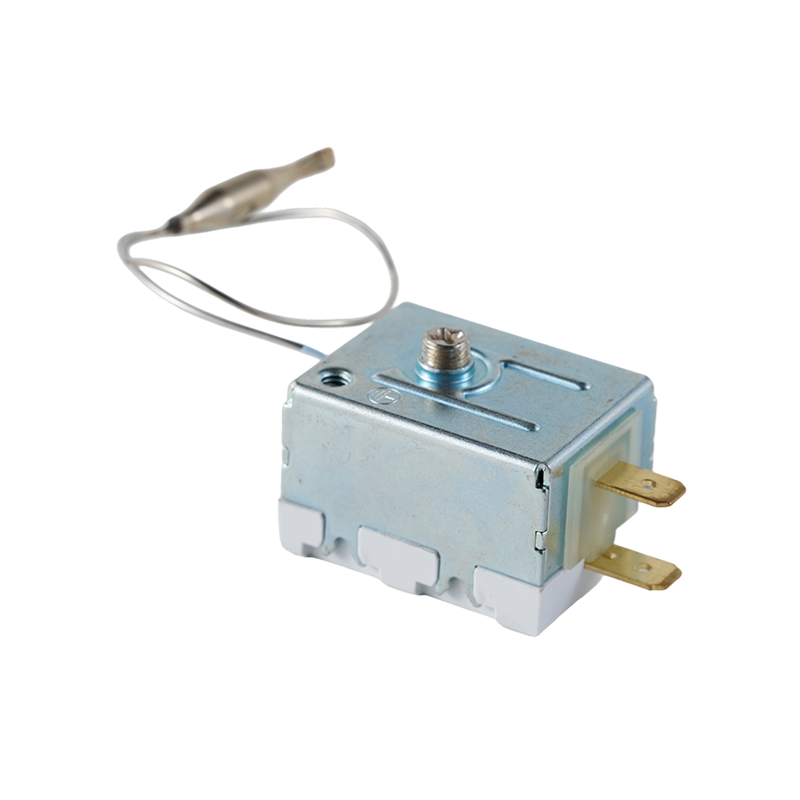
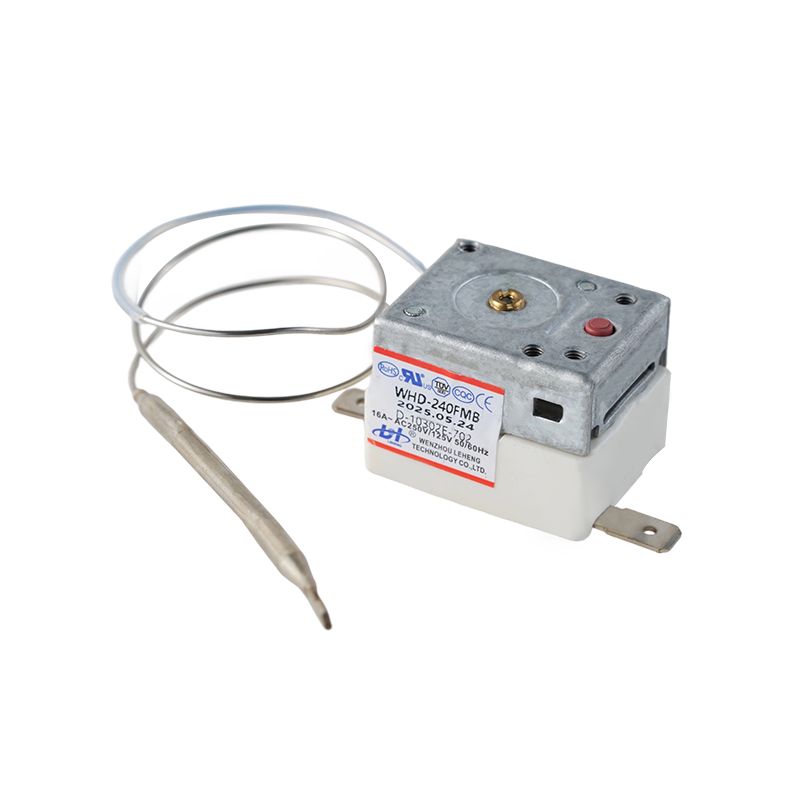
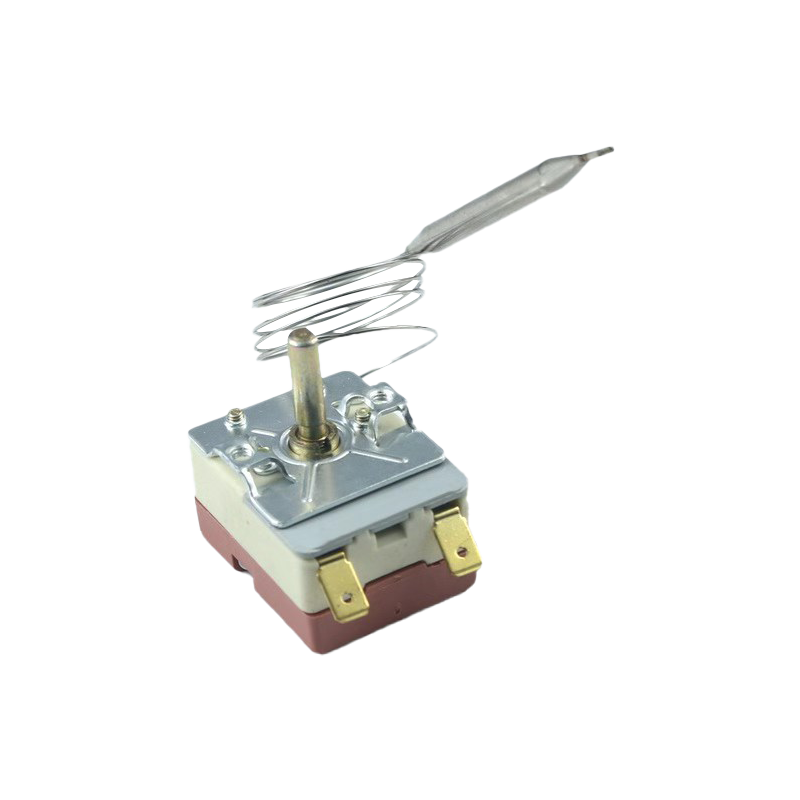
A limit thermostat plays a critical role in heating systems by monitoring internal temperatures and acting as a safety control when abnormal heat conditions occur. Unlike comfort-focused temperature controls, a limit thermostat is designed to prevent overheating that could damage equipment or create unsafe operating conditions. In many heating applications, it functions quietly in the background, only becoming noticeable when temperature levels exceed acceptable operating boundaries.
Understanding the Purpose of a Limit Thermostat
The primary purpose of a limit thermostat is protection. Heating systems generate heat as part of normal operation, but uncontrolled heat can quickly become harmful. A limit thermostat continuously observes temperature levels within key components and interrupts operation if those levels rise beyond safe limits. This action helps reduce the risk of system damage, material stress, or safety hazards.
Unlike user-adjustable thermostats, limit thermostats usually operate automatically and independently. They do not focus on comfort settings or daily temperature adjustments. Instead, they act as a safeguard, ensuring that internal components remain within an acceptable temperature range during operation.
Core Functions in Heating Equipment
Limit thermostats perform several essential functions across heating systems:
- Monitoring heat buildup within internal chambers
- Detecting abnormal temperature increases
- Interrupting power or fuel flow when overheating occurs
- Allowing systems to cool before restarting
These functions help maintain stable operation even when external factors, such as airflow restrictions or mechanical wear, affect performance. By responding quickly to rising temperatures, limit thermostats help prevent cascading system failures.
Role in Various Heating Applications
Limit thermostats are widely used across different types of heating equipment. In forced-air systems, they monitor heat exchanger temperatures to prevent damage caused by insufficient airflow. In water-based heating systems, they protect internal components from excessive heat buildup. In electric heating applications, they reduce the risk of insulation degradation or electrical stress.
Each application relies on the same principle: temperature monitoring combined with automatic intervention. While the physical design of a limit thermostat may vary, its protective role remains consistent.
Preventing Equipment Damage and Safety Risks
Excessive heat can weaken materials, warp metal components, and shorten the service life of heating equipment. A limit thermostat helps reduce these risks by stopping operation before harmful temperatures persist. This protective function is especially important during unexpected conditions, such as blocked vents or mechanical malfunctions.
From a safety perspective, controlling internal heat also reduces the chance of secondary hazards. By shutting down the system during overheating events, limit thermostats support safer operation in both residential and commercial environments.
Normal Operation Versus Over-Temperature Conditions
During normal operation, a limit thermostat remains inactive while continuously monitoring temperature. When internal heat rises too high, it responds by interrupting system operation. Some limit thermostats allow automatic restart after cooling, while others require manual attention before operation resumes.
This behavior ensures that overheating is not ignored. Instead, it prompts inspection and corrective action, helping maintain long-term system stability.
Importance of System Reliability
Heating systems are designed to operate over long periods, often under varying conditions. A limit thermostat adds a layer of protection that supports consistent performance. By preventing repeated exposure to excessive heat, it helps preserve internal components and reduces unplanned shutdowns.
A limit thermostat is a foundational safety component in heating systems. Its role extends beyond temperature monitoring, serving as a protective control that helps manage risk, maintain equipment integrity, and support safe operation. Understanding its function highlights why it is an essential part of modern heating system design.
OUR PRODUCTS
Recommended Products


PLEASE LEAVE YOUR SPECIFIC REQUIREMENT

QUICK LINKS
PRODUCTS
CONTACT
-
+86-15957748531
+86-15558959105
+86-19588099846
+86-18815077137 -
jilly@wzleh.com
east@wzleh.com
scott@wzleh.com
kim@wzleh.com
ADDRESS
- STI Park #B-2, Hongqiao Yueqing City, Zhejiang, China, 325608


Leheng Thermostat Factory
Copyright © Wenzhou Leheng Technology Co., Ltd. All Rights Reserved.