


 English
 Türk
Türk
SEARCH
HOT PRODUCTS

Newsletter
Limit Thermostat Differences Compared With Standard Temperature Controllers
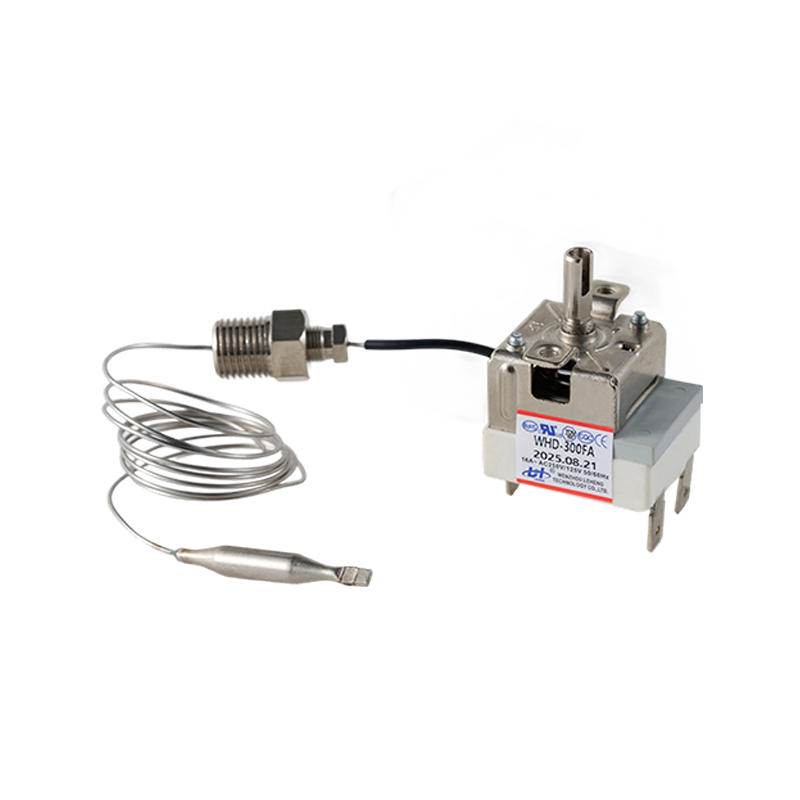
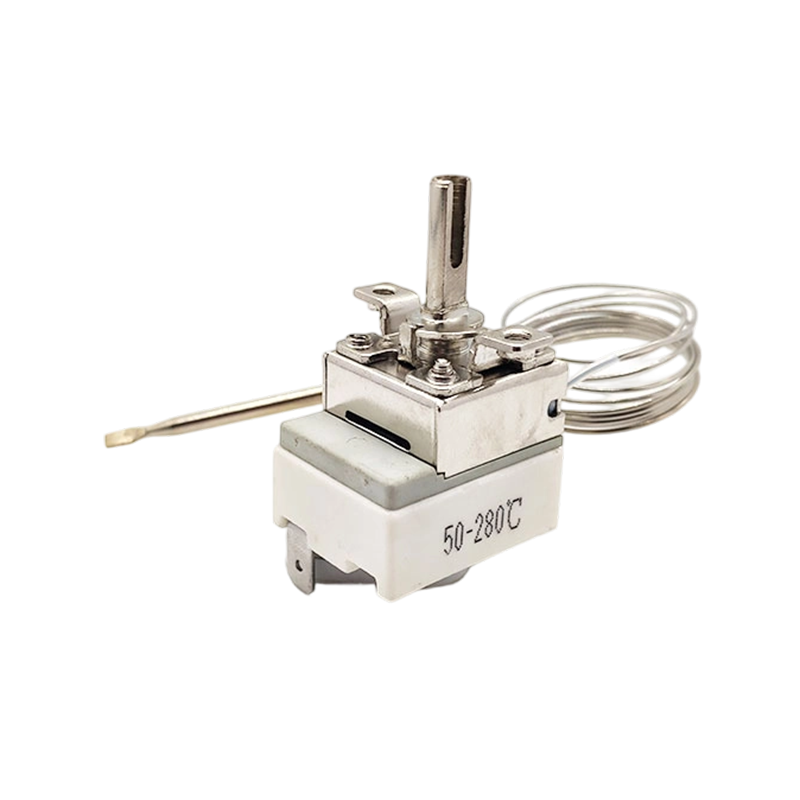
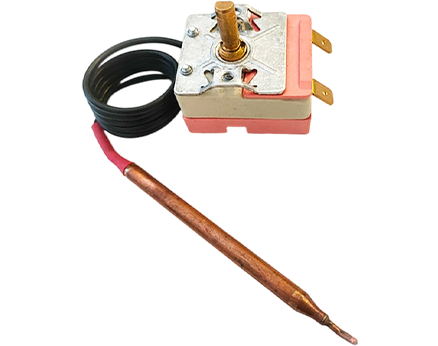
A limit thermostat is often mentioned alongside standard temperature controllers, yet the two devices serve very different purposes within heating systems. The limit thermostat operates as a protective component, responding only when internal temperatures approach unsafe levels. In contrast, standard temperature controllers manage routine operation by maintaining a desired temperature for comfort or process stability. Understanding how these devices differ helps clarify their individual roles and why both are commonly used together.
Fundamental Purpose and Design Intent
The fundamental purpose of a limit thermostat is safety. It is designed to protect heating equipment from conditions that may cause damage or unsafe operation. Its design reflects this role, focusing on internal temperature monitoring rather than user preferences or daily adjustments.
Standard temperature controllers are built for regulation. They manage heating output to maintain a stable environment based on selected settings. Their design emphasizes responsiveness and adjustment rather than intervention during abnormal conditions.
This difference in intent explains why limit thermostats remain inactive during normal operation, while standard controllers continuously adjust system behavior.
Operating Logic and Activation Conditions
Standard temperature controllers operate within a defined range, cycling heating output on and off as temperatures change. Their activation is frequent and expected as part of daily system behavior.
A limit thermostat activates only when internal heat exceeds acceptable boundaries. This activation is not part of routine operation and usually indicates a deviation from normal system conditions. When triggered, the limit thermostat overrides standard control logic to protect the system.
This distinction highlights the thermostat’s role as a safeguard rather than a regulator.
Location and Installation Considerations
Standard temperature controllers are typically installed in accessible locations where they can sense ambient conditions. Their placement allows them to reflect the environment experienced by occupants or processes.
Limit thermostats are installed inside heating equipment, close to components where heat accumulation may occur. This internal placement allows them to monitor conditions that external sensors cannot detect, such as restricted airflow or localized heat buildup.
The difference in installation locations reinforces the separation of responsibilities between the two devices.
Response to Abnormal System Conditions
When abnormal conditions arise, such as airflow restrictions or mechanical wear, standard temperature controllers may continue operating without recognizing the issue. A limit thermostat addresses this gap by directly monitoring internal temperatures.
Upon detecting excessive heat, the limit thermostat interrupts operation to prevent further temperature rise. This response helps reduce the risk of material stress and system damage.
User Interaction and Adjustability
Standard temperature controllers are designed for user interaction. Users can adjust settings to match comfort preferences or operational needs.
Limit thermostats typically operate without user input. Their settings are fixed based on safety requirements, and they are not intended for routine adjustment. This design helps ensure consistent protection regardless of user behavior.
Maintenance and Diagnostic Implications
When a heating system shuts down unexpectedly, distinguishing between these two devices is essential. A shutdown caused by a limit thermostat often signals an underlying issue rather than a control adjustment problem.
Understanding this difference helps direct attention toward airflow, internal cleanliness, or mechanical condition rather than temperature settings.
Complementary Roles Within Heating Systems
Limit thermostats and standard temperature controllers work together to support stable and safe operation. One manages routine temperature regulation, while the other protects against abnormal conditions.
This layered approach helps heating systems handle a wide range of operating scenarios without compromising safety.
The differences between a limit thermostat and a standard temperature controller are rooted in their design intent and operating behavior. While one focuses on regulation, the other focuses on protection. Recognizing these distinctions provides clearer insight into heating system operation and safety management.
OUR PRODUCTS
Recommended Products



PLEASE LEAVE YOUR SPECIFIC REQUIREMENT

QUICK LINKS
PRODUCTS
CONTACT
-
+86-15957748531
+86-15558959105
+86-19588099846
+86-18815077137 -
jilly@wzleh.com
east@wzleh.com
scott@wzleh.com
kim@wzleh.com
ADDRESS
- STI Park #B-2, Hongqiao Yueqing City, Zhejiang, China, 325608


Leheng Thermostat Factory
Copyright © Wenzhou Leheng Technology Co., Ltd. All Rights Reserved.