


 English
 Türk
Türk
SEARCH
HOT PRODUCTS

Newsletter
Limit Thermostat vs Normal Thermostat: Safety Differences Explained
A limit thermostat and a normal thermostat are both temperature-related components found in heating systems, but their responsibilities are very different. The limit thermostat focuses on safety protection by monitoring internal system temperatures and interrupting operation when unsafe heat conditions appear. A normal thermostat, on the other hand, is designed to regulate comfort by maintaining user-selected temperature settings. Understanding the safety differences between these two devices is essential for interpreting heating system behavior and maintaining reliable performance.
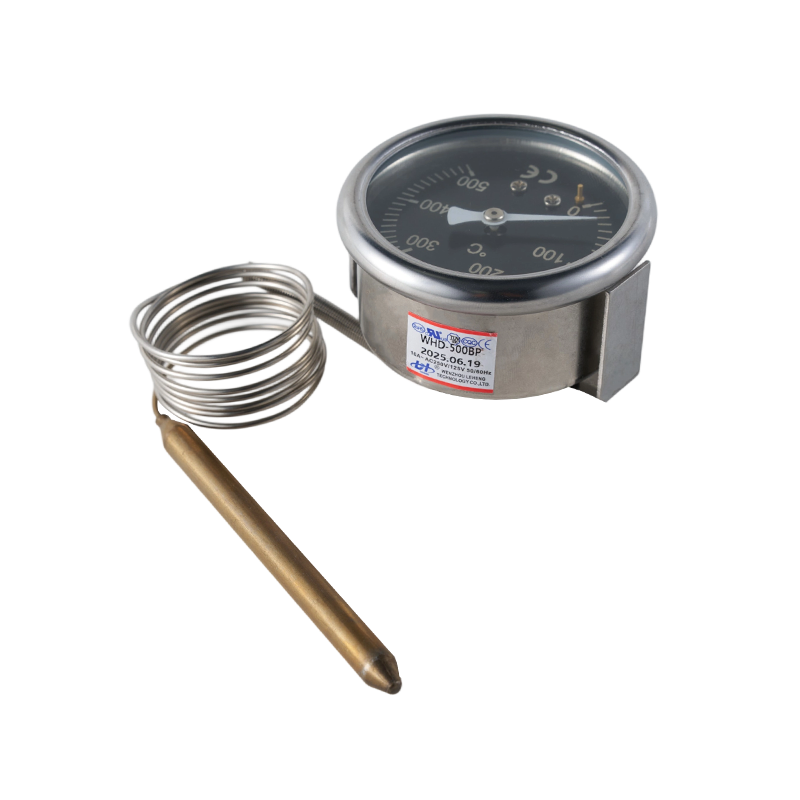
Understanding the Basic Roles of Each Thermostat
A normal thermostat is commonly used as the primary temperature control device in heating systems. It allows users to select their preferred environmental temperature and adjusts system operation to maintain that setting. This device interacts directly with heating equipment, turning heating cycles on and off as the ambient temperature changes.
A limit thermostat operates independently from user input. Instead of responding to room temperature, it monitors internal heat conditions within the heating system. Its purpose is to prevent overheating that could damage internal components or create unsafe operating conditions. The limit thermostat does not participate in daily temperature adjustments but remains ready to intervene when abnormal heat levels occur.
Safety Responsibilities and Protective Functions
The safety responsibility of a limit thermostat is one of its defining characteristics. Heating systems involve mechanical, electrical, and thermal processes that generate heat continuously. Without protective monitoring, heat accumulation could place stress on materials and internal parts.
A limit thermostat detects excessive heat and interrupts system operation to prevent continued temperature rise. This protective function supports equipment durability and reduces safety concerns associated with overheating.
Normal thermostats do not provide this type of internal safety protection. Their primary focus is comfort management rather than system protection. While they help regulate temperature, they do not detect internal mechanical or airflow problems that may cause overheating.
Differences in Activation Behavior
Normal thermostats activate frequently as part of everyday heating cycles. They respond to gradual changes in ambient temperature and adjust system output accordingly. Their operation is predictable and directly connected to user preferences.
Limit thermostats' activation under abnormal conditions. When internal temperatures exceed safe limits, they interrupt heating operation immediately. This response is designed to stop overheating before it causes damage or unsafe conditions.
Because limit thermostat activation is uncommon during normal operation, it often serves as an indicator that the heating system requires inspection or maintenance.
Impact on Heating System Shutdown and Restart
When a normal thermostat completes a heating cycle, the system simply pauses until additional heating is required. This process is part of regular operation and does not indicate system stress.
When a limit thermostat activates, it may cause a safety shutdown. This shutdown allows internal temperatures to decrease and prevents further heat accumulation. Some systems resume operation automatically after cooling, while others require manual intervention. In either case, the shutdown signals that operating conditions have moved outside normal boundaries.
Risk Reduction and Equipment Preservation
Limit thermostats play a key role in protecting heating equipment from long-term stress. Excessive heat can weaken structural components, affect electrical insulation, and reduce overall system reliability. By interrupting operation during overheating events, limit thermostats help preserve system integrity.
Normal thermostats do not address these internal risks directly. Their operation assumes that the heating system is functioning within safe temperature conditions.
Common User Misunderstandings
Many users assume that all thermostats perform the same function. When heating systems shut down unexpectedly, users may attempt to adjust temperature settings instead of investigating potential safety responses.
Understanding the protective role of a limit thermostat helps users recognize when system shutdowns are related to internal safety conditions rather than comfort control adjustments.
Importance in Different Heating Applications
The distinction between these thermostats is important across many heating applications, including residential and commercial environments. Normal thermostats provide comfort control, while limit thermostats protect equipment from overheating caused by airflow restrictions or mechanical issues.
The presence of both devices ensures that heating systems maintain comfortable environments while protecting internal components from unsafe operating conditions.
Long-Term System Stability
Heating systems operate under varying environmental and mechanical conditions. Over time, airflow restrictions, component wear, and environmental factors can influence system temperature behavior. A limit thermostat helps manage these challenges by providing a protective response when internal heat levels rise unexpectedly.
This additional protection supports stable long-term system operation and helps reduce unplanned interruptions.
The safety differences between a limit thermostat and a normal thermostat reflect their unique roles within heating systems. While a normal thermostat manages comfort through temperature regulation, a limit thermostat safeguards equipment by preventing overheating. Understanding these differences helps users interpret heating system behavior, respond appropriately to shutdowns, and maintain reliable system performance.
OUR PRODUCTS
Recommended Products


PLEASE LEAVE YOUR SPECIFIC REQUIREMENT

QUICK LINKS
PRODUCTS
CONTACT
-
+86-15957748531
+86-15558959105
+86-19588099846
+86-18815077137 -
jilly@wzleh.com
east@wzleh.com
scott@wzleh.com
kim@wzleh.com
ADDRESS
- STI Park #B-2, Hongqiao Yueqing City, Zhejiang, China, 325608


Leheng Thermostat Factory
Copyright © Wenzhou Leheng Technology Co., Ltd. All Rights Reserved.