


 English
 Türk
Türk
SEARCH
HOT PRODUCTS

Newsletter
Limit Thermostat in Furnace: Location, Function, and Reset Tips
A limit thermostat is a crucial safety component found inside furnace systems, designed to monitor internal heat levels and prevent overheating. Within a furnace, the limit thermostat helps maintain safe operation by interrupting the heating process when internal temperatures exceed acceptable limits. Understanding where the limit thermostat is located, how it functions, and how reset procedures work can help users better understand furnace behavior and maintenance requirements.
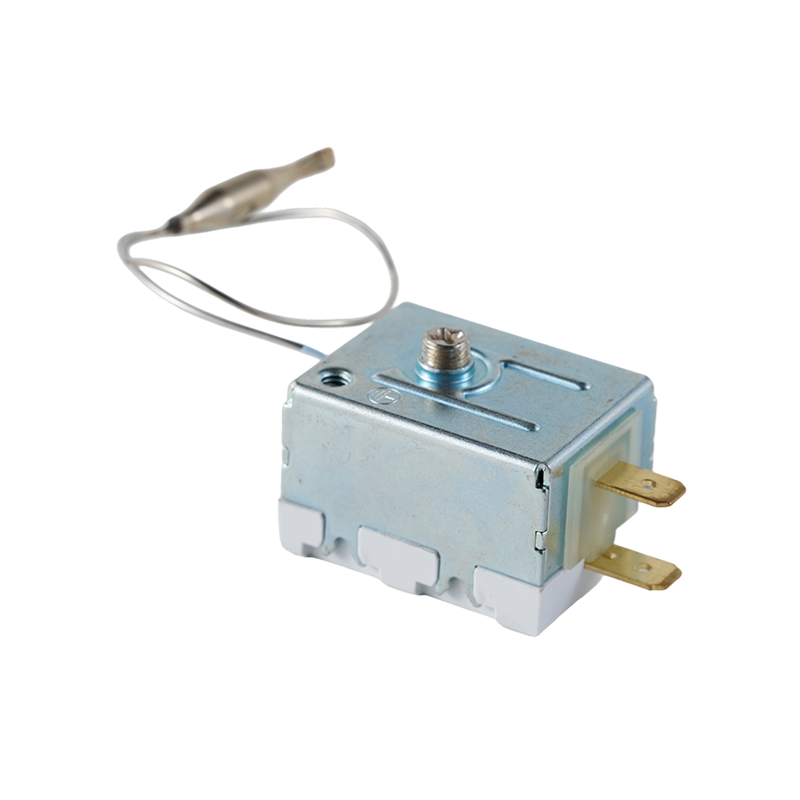
Importance of the Limit Thermostat in Furnace Operation
Furnaces generate heat through controlled combustion or electrical processes. During normal operation, heat is distributed through airflow systems that carry warm air throughout a building. When airflow becomes restricted or internal components fail to distribute heat effectively, internal temperatures can rise rapidly.
The limit thermostat monitors these internal conditions and interrupts furnace operation when overheating occurs. This function helps protect heat exchangers, electrical components, and structural materials from thermal stress.
Typical Location of the Limit Thermostat Inside a Furnace
The limit thermostat is usually installed near areas where heat accumulates, such as within the furnace housing or close to heat distribution pathways. This location allows the device to measure internal temperature conditions accurately.
By being positioned inside the furnace rather than in the surrounding environment, the limit thermostat can detect overheating that may not affect the room temperature immediately. This targeted monitoring ensures that safety responses occur promptly when internal heat levels rise unexpectedly.
Functional Operation During Heating Cycles
During normal heating cycles, the limit thermostat remains inactive while continuously observing internal temperature conditions. As the furnace produces heat, airflow helps maintaina balanced temperature distribution. When airflow is functioning correctly, the limit thermostat allows the furnace to operate without interruption.
If airflow becomes restricted or internal components begin retaining heat, internal temperatures may rise quickly. When these temperatures approach unsafe levels, the limit thermostat interrupts furnace operation. This interruption allows internal components to cool before heating resumes.
Common Causes of Limit Thermostat Activation in Furnaces
Several operational conditions may cause the limit thermostat to activate. Restricted airflow is one of the common causes, often resulting from internal obstructions or airflow pathway limitations. Accumulated debris can also affect heat distribution, causing localized overheating.
Mechanical wear may contribute to uneven heat movement within the furnace. When internal components fail to distribute heat evenly, certain areas may experience elevated temperatures that trigger the limit thermostat.
It is important to understand that activation typically indicates a protective response rather than device failure.
Reset Types and Safety Considerations
Limit thermostats may include automatic or manual reset functions. Automatic reset designs allow furnace operation to resume once internal temperatures return to safe levels. Manual reset designs require confirmation that conditions are safe before the furnace can operate again.
Repeated reset attempts without addressing the underlying cause may result in recurring shutdowns. Safety awareness is essential when dealing with repeated limit thermostat activation, as it often signals airflow or mechanical concerns.
Preventive Maintenance to Reduce Activation Frequency
Routine furnace maintenance supports stable airflow and temperature balance. Cleaning internal components and maintaining airflow pathways helps reduce heat accumulation within the furnace.
Regular inspection of airflow systems ensures that heat is distributed properly. Maintaining internal cleanliness and ensuring proper component alignment helps support consistent furnace performance and reduces reliance on safety shutdown mechanisms.
Identifying Signs That Require Further Inspection
Frequent furnace shutdowns caused by limit thermostat activation may indicate unresolved internal issues. Changes in airflow performance, unusual heating behavior, or repeated interruptions suggest that additional inspection is necessary.
Addressing these underlying conditions helps restore stable furnace operation and prevents long-term component stress.
Contribution to Furnace Safety and Equipment Longevity
The limit thermostat plays an essential role in protecting furnace systems from overheating. By monitoring internal temperature conditions and interrupting operation when necessary, it supports safe furnace performance and helps preserve internal components.
This protective function contributes to consistent heating performance and supports extended equipment service life.
Within furnace systems, the limit thermostat serves as a critical safety safeguard. Its location inside the furnace, its protective function during heating cycles, and its reset behavior all contribute to safe and reliable operation. Understanding how this component works helps users recognize safety signals and maintain proper furnace performance through routine maintenance and timely inspection.
OUR PRODUCTS
Recommended Products



PLEASE LEAVE YOUR SPECIFIC REQUIREMENT

QUICK LINKS
PRODUCTS
CONTACT
-
+86-15957748531
+86-15558959105
+86-19588099846
+86-18815077137 -
jilly@wzleh.com
east@wzleh.com
scott@wzleh.com
kim@wzleh.com
ADDRESS
- STI Park #B-2, Hongqiao Yueqing City, Zhejiang, China, 325608


Leheng Thermostat Factory
Copyright © Wenzhou Leheng Technology Co., Ltd. All Rights Reserved.