


 English
 Türk
Türk
SEARCH
HOT PRODUCTS

Newsletter
Why Does A Marine Accessory Switch Fail Earlier Than Expected?
A boat owner once replaced the same switch twice within a single season.
The replacement seemed reasonable.
The boat had already been in service for years.
The second replacement raised more questions.
The equipment connected to the switch was working normally.
The wiring looked clean.
No major electrical fault could be found.
Yet the switch had become unreliable again.
What made the situation interesting was that a similar boat nearby was using comparable equipment without any issues.
The difference was not immediately obvious.
Cases like this appear regularly in marine maintenance. When a marine accessory switch stops performing as expected, the cause is not always the switch itself. In many situations, the surrounding environment tells a larger story.
Water Is Not The Only Challenge
People often associate marine electrical problems with water exposure.
Water certainly matters, but experienced technicians usually look beyond that explanation.
A switch mounted on a boat faces a combination of conditions that are rarely found together in other applications.
Vibration is continuous.
Humidity changes throughout the day.
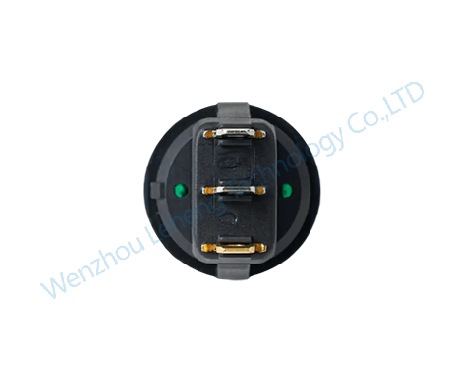
Temperature can shift significantly between morning and afternoon.
Salt particles may settle on surfaces even when equipment never comes into direct contact with seawater.
Individually, none of these conditions may seem severe.
Over time, however, they work together.
A marine accessory switch operating in these conditions experiences a very different environment from a similar switch installed inside a stationary building.
Small Voltage Drops Often Go Unnoticed
One marine electrician shared a troubleshooting case involving a navigation lighting circuit.
The lights appeared slightly dimmer than normal, but not enough to attract immediate concern.
The owner initially suspected the batteries.
Battery testing showed no obvious problem.
Attention then turned toward the wiring.
Eventually, the investigation revealed increased resistance within a switching point.
The change was small.
The effect developed gradually.
Because the decline happened over months rather than days, nobody noticed the difference until performance was compared with another vessel.
Stories like this are one reason technicians often inspect the entire circuit rather than focusing only on the visible symptoms.
Vibration Creates Long-Term Wear
Marine equipment rarely enjoys a perfectly stable operating environment.
Even when weather conditions are favorable, engines, waves, and normal vessel movement generate constant vibration.
Many electrical issues begin as tiny changes that are almost impossible to detect during routine operation.
A connection loosens slightly.
A terminal experiences repeated movement.
Contact surfaces no longer behave exactly as they did when new.
Years later, these small changes can influence how a marine accessory switch performs.
The switch may continue functioning, but users start noticing inconsistent behavior.
Intermittent operation often appears before complete failure.
Why Technicians Watch Usage Patterns
Interestingly, maintenance records sometimes reveal that equipment age is not the deciding factor.
Two switches installed during the same season can have very different service histories.
Usage patterns frequently explain the difference.
One switch may operate only occasionally.
Another may be used dozens of times during every trip.
The number of operating cycles gradually becomes part of the component's history.
This is why experienced technicians often ask questions that seem unrelated at first.
How often is the equipment used?
Has the vessel's operating schedule changed?
Were additional electrical loads added recently?
Answers to these questions often provide valuable clues.
A marine accessory switch is a relatively small component within a boat's electrical system, yet it sits at the intersection of environmental conditions, operating habits, and electrical demand. When performance changes unexpectedly, the switch is sometimes revealing a broader pattern rather than a single isolated fault.
That is why marine troubleshooting often begins with observation. Understanding how the boat is used can be just as important as examining the switch itself.
OUR PRODUCTS
Recommended Products


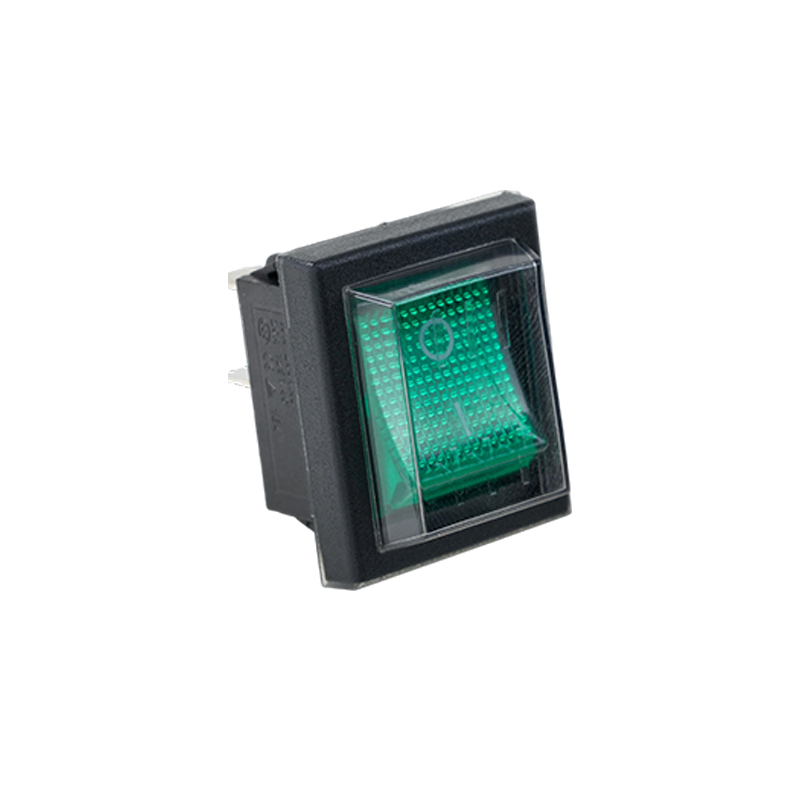
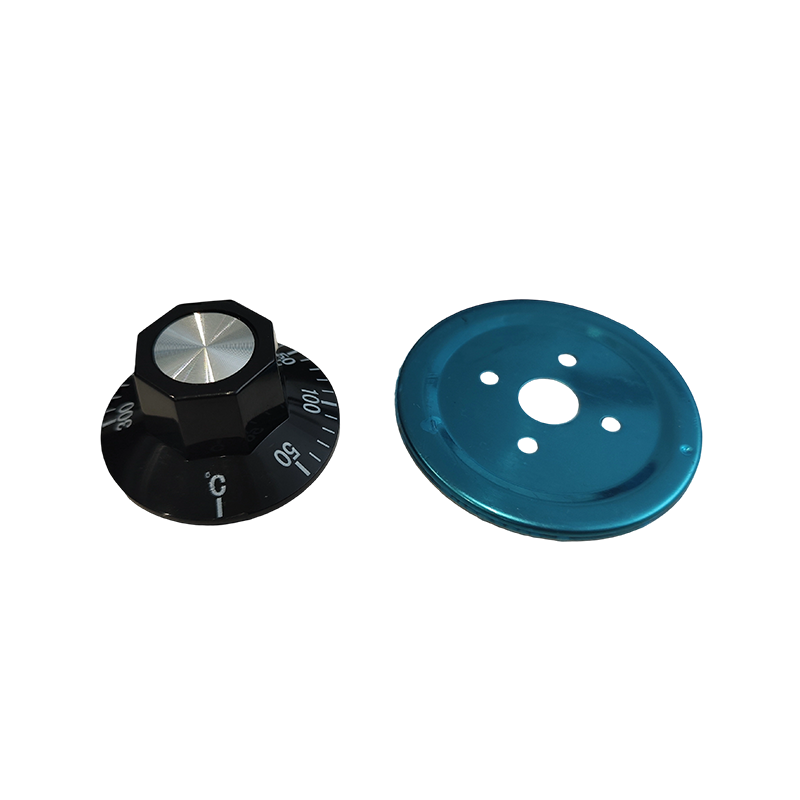
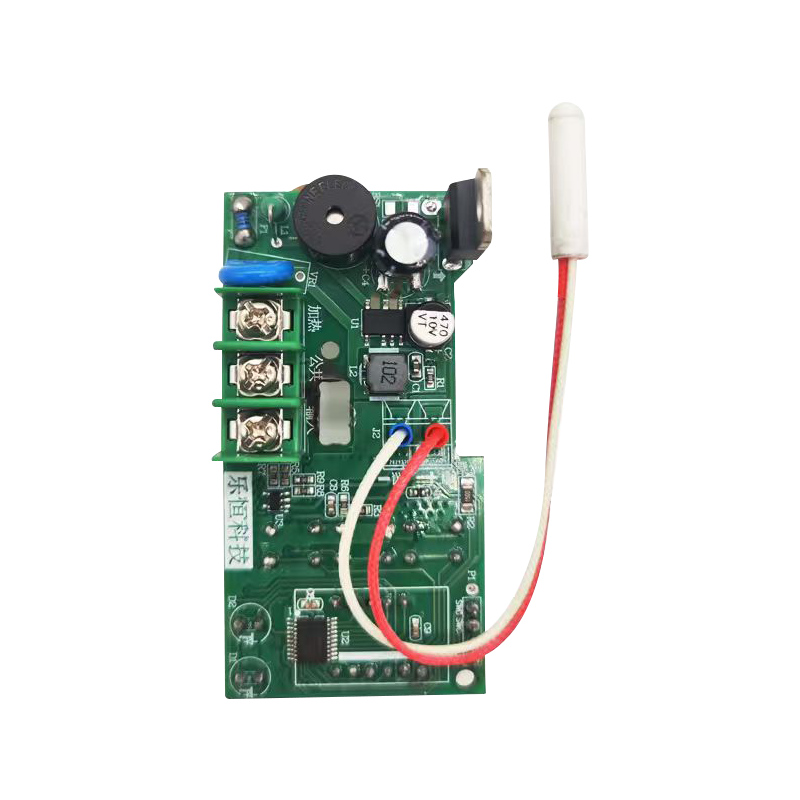
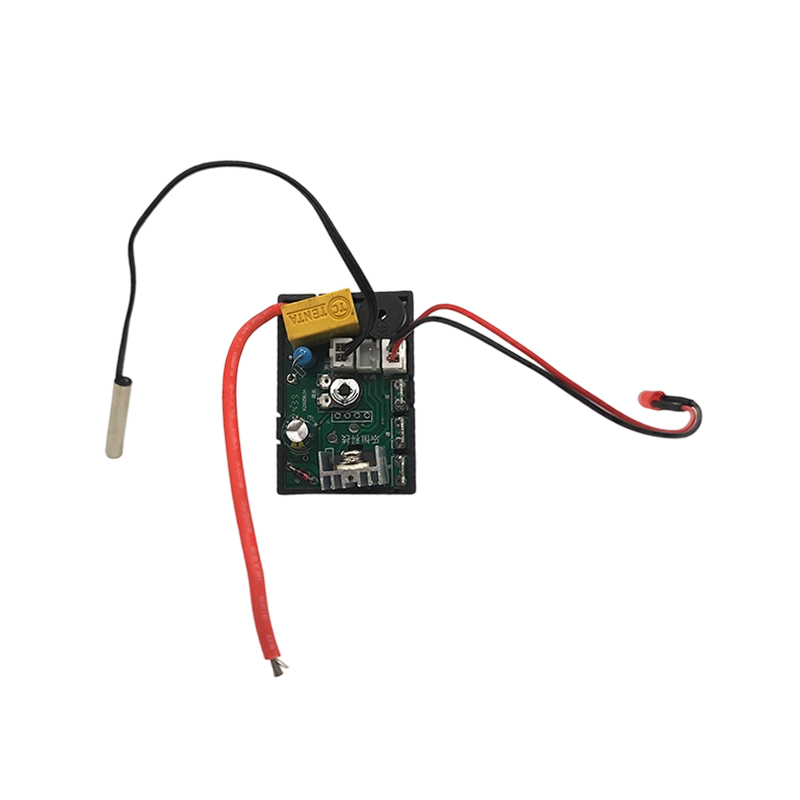
PLEASE LEAVE YOUR SPECIFIC REQUIREMENT

QUICK LINKS
PRODUCTS
CONTACT
-
+86-15957748531
+86-15558959105
+86-19588099846
+86-18815077137 -
jilly@wzleh.com
east@wzleh.com
scott@wzleh.com
kim@wzleh.com
ADDRESS
- STI Park #B-2, Hongqiao Yueqing City, Zhejiang, China, 325608


Leheng Thermostat Factory
Copyright © Wenzhou Leheng Technology Co., Ltd. All Rights Reserved.