


 English
 Türk
TürkWHD-E copper adjustable copper capillary thermostat is a mechanical temperature regulating devic...
What Makes Capillary Thermostat Knob Reliable For Ovens?
Appliance manufacturers building gas ovens and commercial water heaters keep returning to mechanical temperature control even as electronic sensors get cheaper, largely because a well-built capillary thermostat knob keeps working reliably in high-heat, high-vibration environments where electronic components sometimes fail prematurely. That reliability track record is shaping procurement decisions for OEM buyers sourcing control components at scale.
Sensor Fluid And Response Consistency
A capillary tube sensor relies on a fluid-filled bulb connected through a thin capillary line to a bellows or diaphragm mechanism inside the control housing. As the sensor bulb heats up, the fluid expands, and that expansion physically moves the mechanism controlling gas flow or electrical contact points. Fluid selection inside this system affects both response speed and accuracy, since a fluid with a steep expansion curve near the target temperature range gives sharper, more precise control than a fluid with a flatter expansion profile across the same range.
Manufacturers producing a capillary thermostat knob for oven applications typically select fluid formulations tuned specifically to the temperature range ovens operate within, rather than using a general-purpose fluid shared across water heater and oven product lines. This tuning matters because an oven's control range sits considerably higher than a typical water heater's range, and a fluid optimized for one range shows reduced sensitivity toward the edges of a different operating window.
Bulb Placement And Sensing Accuracy
Sensor bulb design and placement within the appliance cavity directly affects how accurately the control reflects actual cooking chamber temperature rather than a localized hot or cool spot near the bulb's mounting position. A bulb positioned too close to a heating element reads artificially high, causing the thermostat to cut off heat before the rest of the oven cavity reaches the target temperature, while a bulb mounted too far from active heat sources reads low and allows the cavity to overshoot before the control responds.
Engineers calibrating a capillary thermostat knob for a specific oven model run cavity temperature mapping tests, placing multiple reference thermometers throughout the interior space to compare readings against the bulb's actual response, then adjusting bulb placement until the sensed temperature tracks closely with the average cavity temperature across the full interior volume rather than just the area immediately surrounding the bulb.
Temperature Calibration And Manufacturing Tolerance
Temperature calibration on a capillary thermostat involves setting the mechanical linkage between fluid expansion and contact point movement so the control switches at the intended temperature threshold. Manufacturing tolerance stacking across the bellows, linkage, and contact assembly means individual units coming off the same production line can show slight calibration variance unless factories run a final calibration check on each completed capillary thermostat knob before packaging rather than relying solely on component-level tolerances to deliver consistent finished-product accuracy.
Calibration drift over the product's service life also factors into long-term reliability assessments, since repeated thermal cycling gradually affects the mechanical linkage and sealed fluid system inside the control. Factories running accelerated life-cycle testing subject sample units to thousands of heating and cooling cycles, tracking calibration drift across that extended testing period to establish an expected service life before recalibration or replacement becomes necessary.
Detent Mechanism And User Interaction
The detent knob mechanism on a capillary thermostat gives users tactile feedback at preset temperature points, letting an operator select a common cooking temperature without needing to read a printed dial marking precisely. Detent spring tension needs enough resistance to prevent accidental movement from vibration or accidental bumping, while still allowing smooth rotation during a deliberate adjustment by the user. Factories testing detent durability run repeated rotation cycling on sample knobs, checking whether spring tension and tactile feedback remain consistent after tens of thousands of adjustment cycles matching the frequency a commercial kitchen environment would generate across years of daily use.
Sourcing Considerations For OEM Buyers
Appliance manufacturers sourcing a capillary thermostat knob for integration into new product lines increasingly request full calibration and durability test documentation from suppliers before committing to a component contract, treating mechanical temperature control reliability as a differentiator worth verifying independently rather than accepting general reliability claims without supporting test data behind them.
Housing material and mounting bracket compatibility round out the sourcing checklist, since appliance panels vary considerably in thickness and mounting hole spacing between manufacturers and product generations. A capillary thermostat knob designed for straightforward retrofit into an existing panel layout reduces redesign costs for OEM buyers replacing an older control with an updated version, while a component requiring a custom bracket or panel modification adds engineering time that buyers increasingly weigh against the unit cost difference while comparing competing suppliers for a new production run.
OUR PRODUCTS
Recommended Products
-
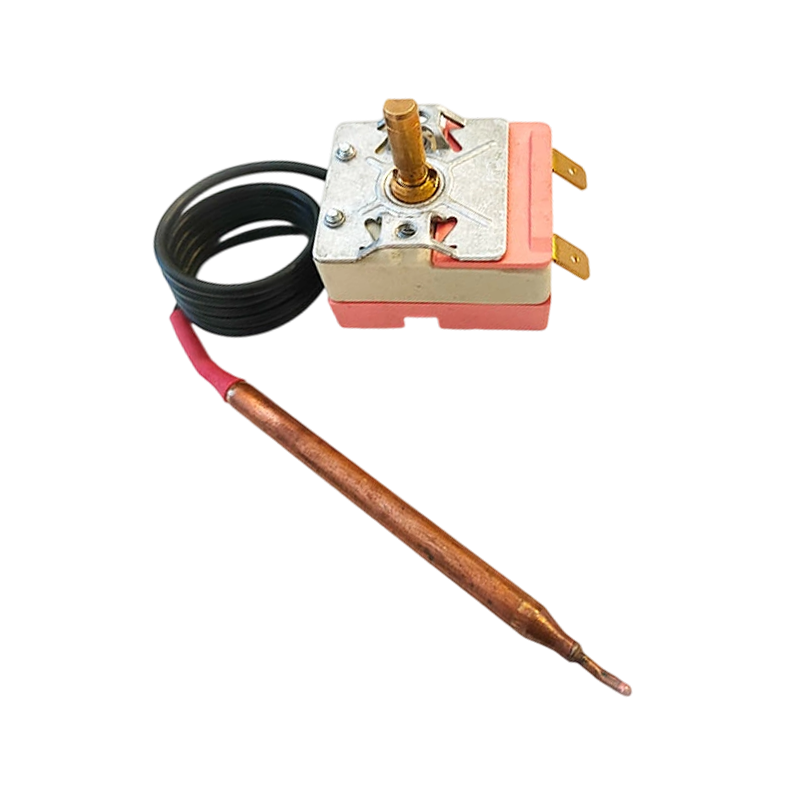
 WHD-E-CU Copper Adjustable Capillary Temperature Controller
 -
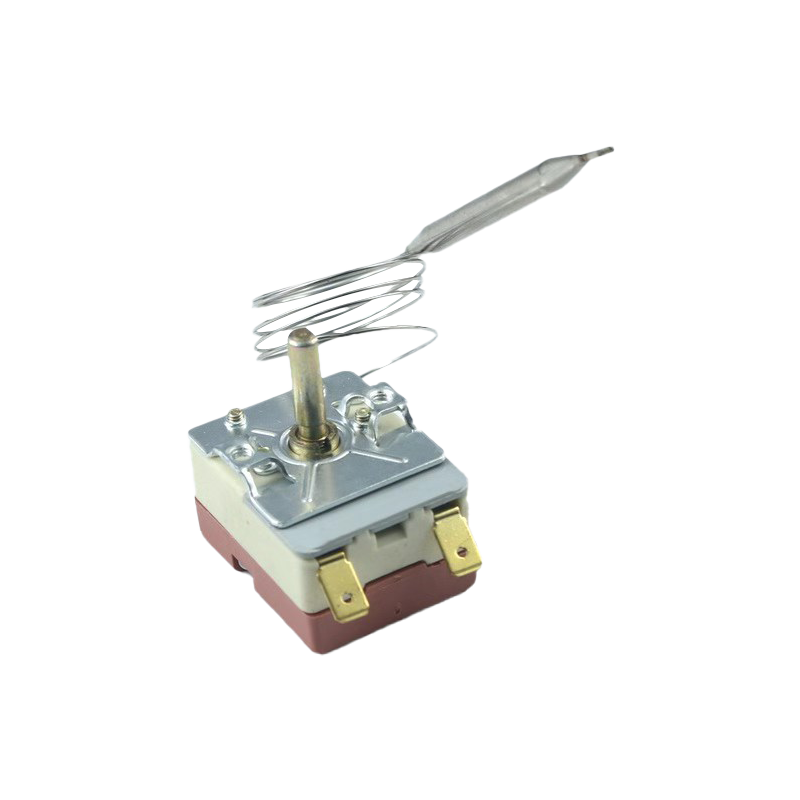 Stainless Steel Adjustable Capillary Temperature Controller
The stainless steel adjustable capillary thermostat is a mechanical temperature regulating devic...
-
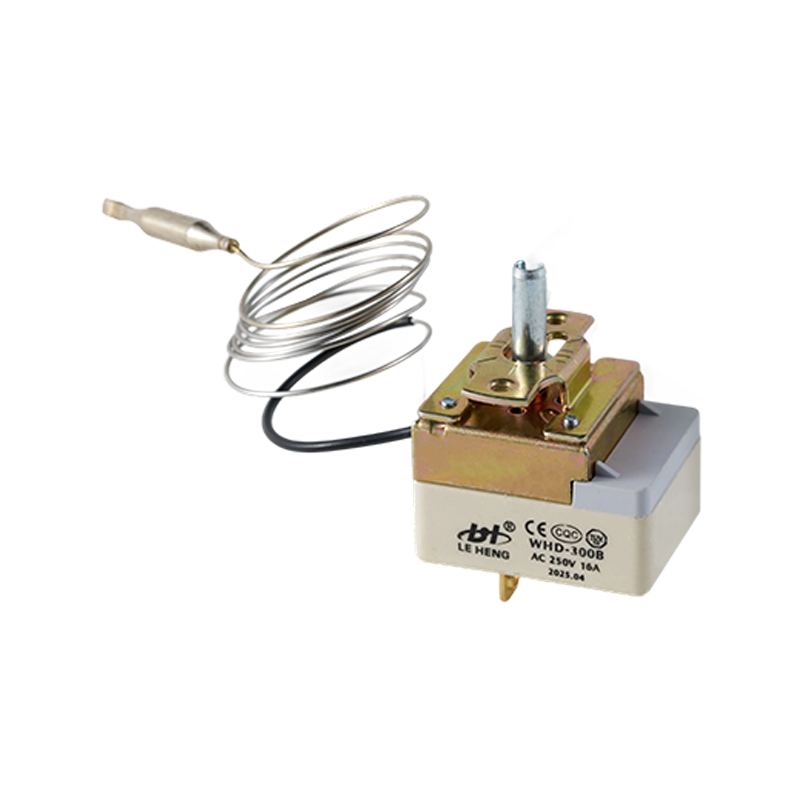 WHD-B(16A/25A) Adjustable Temperature Mechanical Capillary Thermostat
WHD-B(16A/25A) Adjustable Temperature Mechanical Capillary Thermostat is specially designed for ...
-
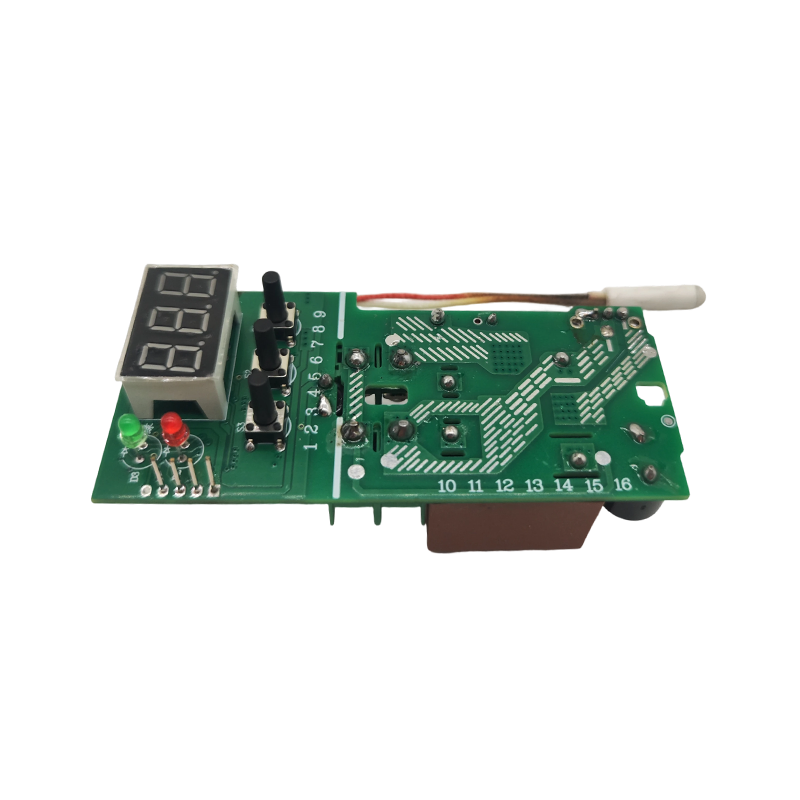 WHD-RQ400-BY Digital Display Thermostatic Controller
The WHD-RQ400-BY digital thermostat is an intelligent control device designed specifically for h...
-
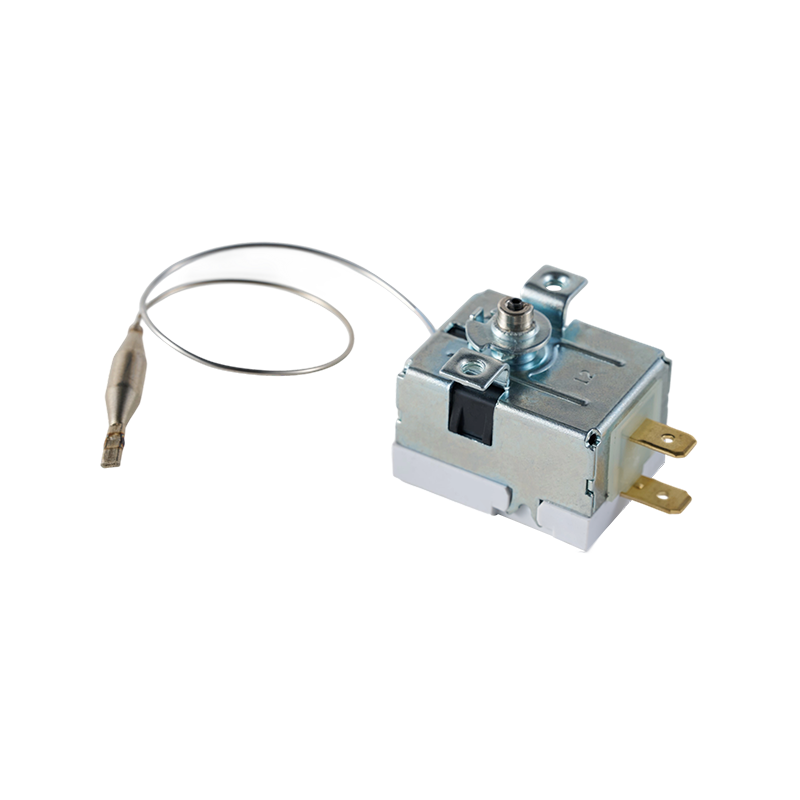 WHD-H2 320 Degree Oven Heating Temperature Limiter
The WHD-H2 oven heating limiter is designed for precise temperature control, with a maximum limi...
-
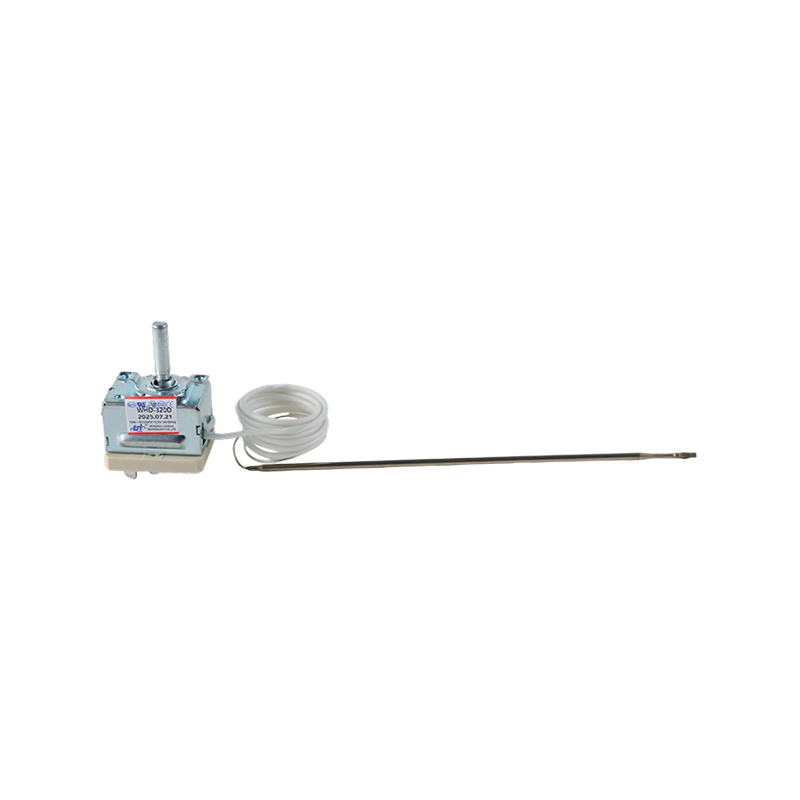 WHD-D Adjustable Mechanical Temperature Thermostat
The WHD-D adjustable mechanical thermostat offers reliable temperature control. It features a ma...
-
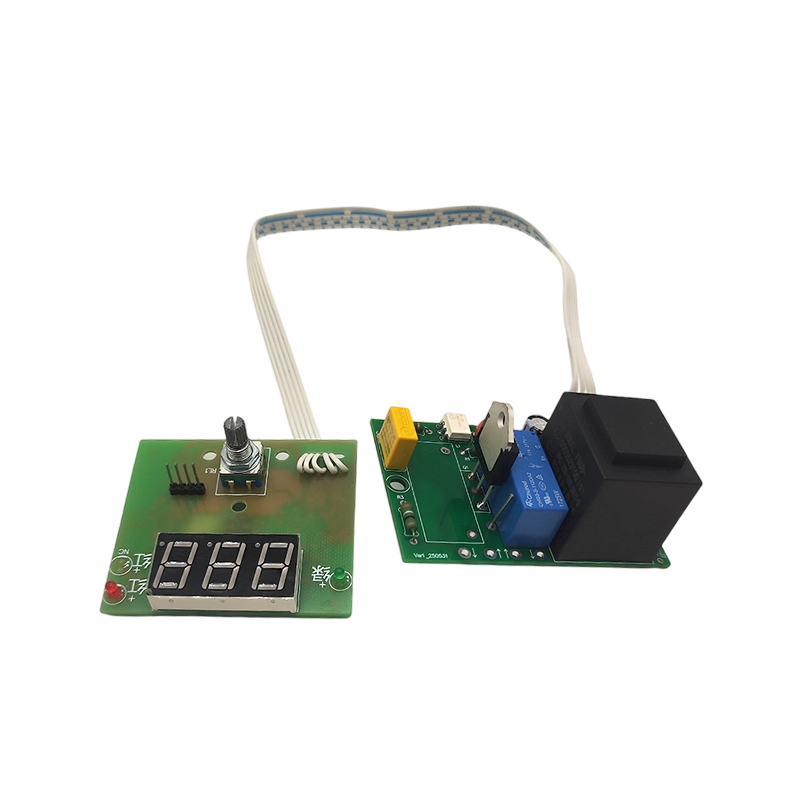 WHD-YL260 Oil Furnace Digital Thermostat
The WHD-YL260 oil furnace thermostat is an intelligent temperature control device designed speci...
-
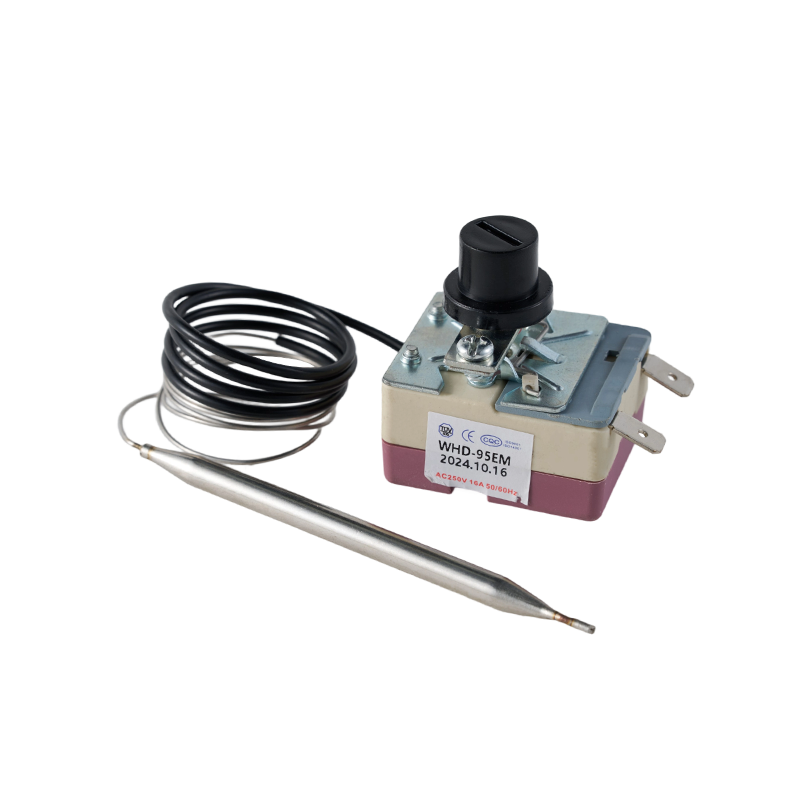 WHD-EM Limit Temperature Controller
The WHD-EM limit temperature controller is a highly reliable device for critical temperature mon...
PLEASE LEAVE YOUR SPECIFIC REQUIREMENT

QUICK LINKS
PRODUCTS
CONTACT
-
+86-15957748531
+86-15558959105
+86-19588099846
+86-18815077137 -
jilly@wzleh.com
east@wzleh.com
scott@wzleh.com
kim@wzleh.com
ADDRESS
- STI Park #B-2, Hongqiao Yueqing City, Zhejiang, China, 325608


Leheng Thermostat Factory
Copyright © Wenzhou Leheng Technology Co., Ltd. All Rights Reserved.