


 English
 Türk
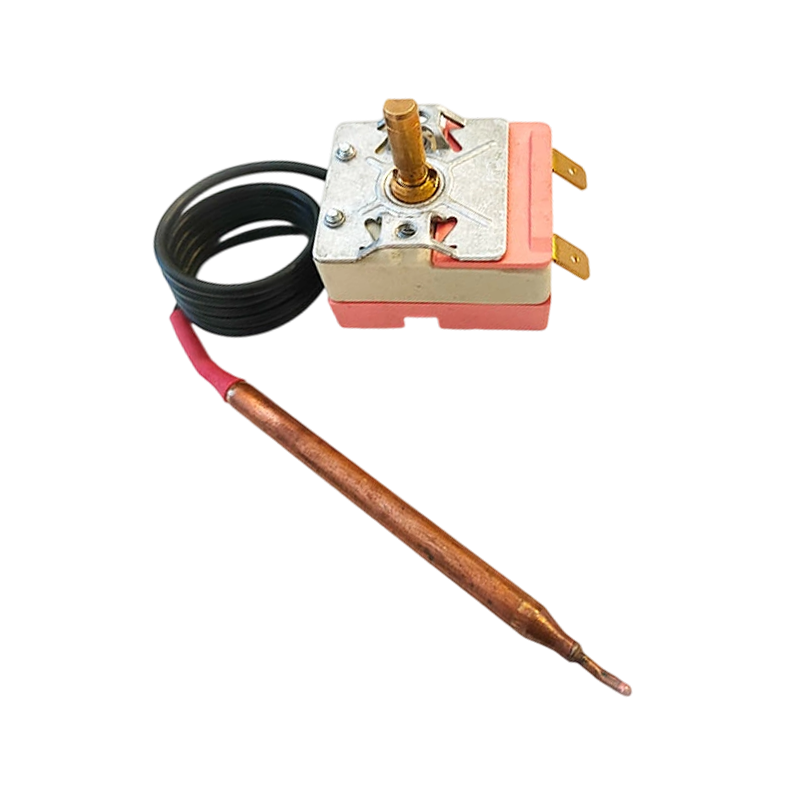
TürkWHD-E copper adjustable copper capillary thermostat is a mechanical temperature regulating devic...
Intelligent Remote Control Switch Pairing Takes Three Seconds
Pairing a new remote to a switch shouldn't require a manual, and for the majority of units built into this category, it doesn't. An intelligent remote control switch typically links to its handset through a short press-and-hold sequence, a design choice that matters more for installers than it might initially appear, since a fast pairing process cuts labor time across multi-unit installations. Buyers evaluating suppliers on features alone sometimes overlook this pairing detail entirely, only to discover during installation that one intelligent remote control switch model requires considerably more setup time than another with a similar spec sheet.
How the Match and Clear Pairing Process Works
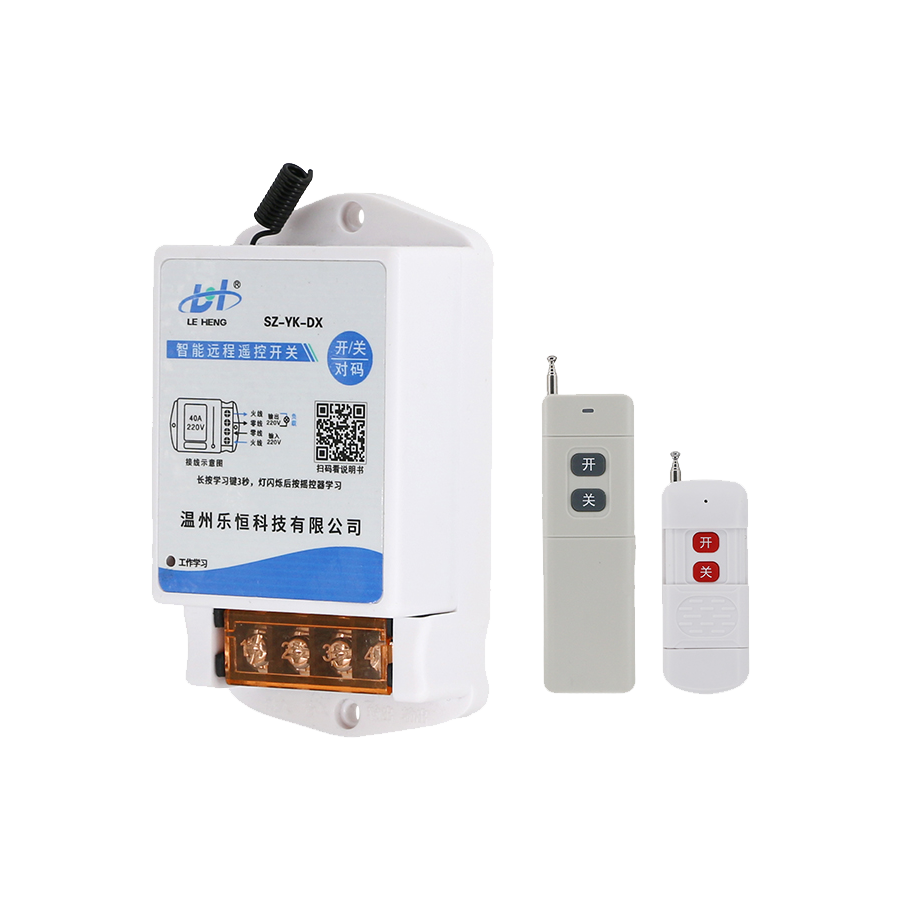
An intelligent remote control switch commonly enters pairing mode after the operator presses and holds the on/off button for a set duration, typically around three seconds, until an indicator light begins flashing to confirm the device is ready to accept a new remote signal. Clearing an existing pairing works through a similar but longer hold, often closer to eight seconds, distinguishing the two operations enough that installers rarely trigger one when intending the other. Buyers should confirm both the pairing and clearing hold durations printed in a supplier's documentation, since inconsistent timing between batches can confuse installers accustomed to a specific sequence from a previous order.
Reading Load Ratings Correctly Before Installation
Rated power on an intelligent remote control switch describes the load the switch can handle under normal operating conditions, but buyers should distinguish this figure from resistive and inductive load ratings specifically, since motors, fans, and other inductive loads draw meaningfully more current at startup than the same wattage of resistive load like a heating element or incandescent lamp. A switch rated adequately for resistive loads can still fail prematurely if installed on an inductive load without confirming the separate inductive rating, since the switching contacts experience different stress under each load type. Buyers should always check the specific load types their application involves against both figures before finalizing a purchase.
Why Relay Rating Determines Real-World Durability
The relay rating inside an intelligent remote control switch, commonly specified around 40A for this product category, determines how much current the internal switching mechanism can reliably interrupt over repeated cycles without contact degradation. A relay rated close to the switch's stated load leaves less margin for inrush current spikes than a relay rated with more headroom above the stated load, which affects long-term reliability under frequent daily switching more than a single-use load test would reveal. Buyers specifying switches for high-cycle applications, such as commercial lighting control switched multiple times daily, should ask suppliers for cycle-life test data tied to the specific relay used rather than accepting a general durability claim.
Comparing Switching Ranges for Different Installation Scenarios
|
Remote Distance Setting |
Typical Use Case |
Installation Consideration |
|
Shorter range (around 1km) |
Single-building installations |
Simpler setup, less signal interference risk |
|
Extended range (around 3km) |
Multi-building or outdoor installations |
Requires clear line of sight for reliable range |
Matching Switch Distance Settings to Site Layout
Since remote control distance on this switch category is commonly selectable between shorter and extended range settings, buyers should evaluate their installation site's physical layout before assuming the longer range setting is always the better choice. Extended range settings can draw more power and may pick up interference from other RF devices operating on similar frequencies in dense installation environments, so matching the distance setting to actual site requirements, rather than defaulting to the available range, often produces more reliable day-to-day performance.
Confirming Voltage Compatibility Across Export Markets
An intelligent remote control switch rated for a specific voltage, commonly 220V for this product line, needs voltage compatibility confirmed against the destination market's standard supply voltage before a bulk order ships, since a mismatch between rated and supplied voltage can affect both switch longevity and the accuracy of the rated load figures. Buyers exporting to markets with different standard voltages should request a version rated for their specific market rather than assuming a single global voltage rating applies universally across every destination. A supplier maintaining separate tooling for each target voltage, rather than adapting a single design after the fact, typically delivers a more consistent intelligent remote control switch across different export markets.
OUR PRODUCTS
Recommended Products
-
 WHD-E-CU Copper Adjustable Capillary Temperature Controller
 -
 Stainless Steel Adjustable Capillary Temperature Controller
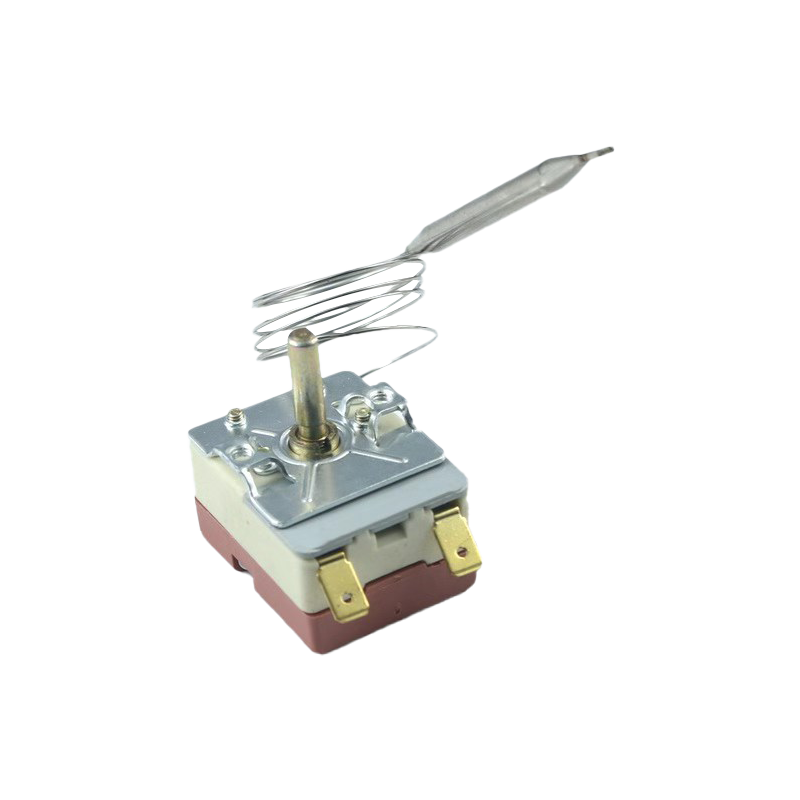
The stainless steel adjustable capillary thermostat is a mechanical temperature regulating devic...
-
 WHD-B(16A/25A) Adjustable Temperature Mechanical Capillary Thermostat
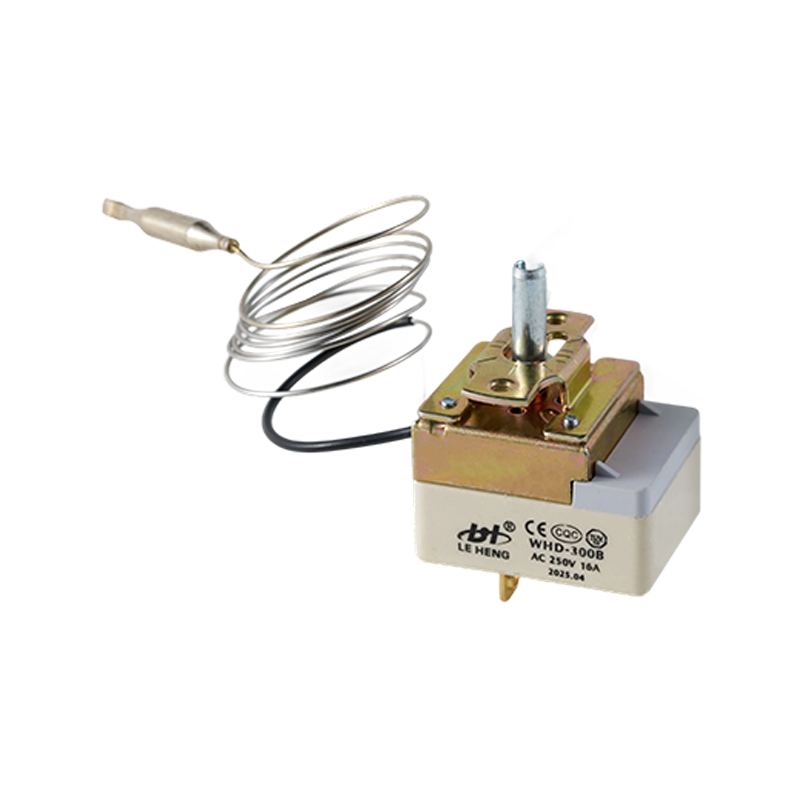
WHD-B(16A/25A) Adjustable Temperature Mechanical Capillary Thermostat is specially designed for ...
-
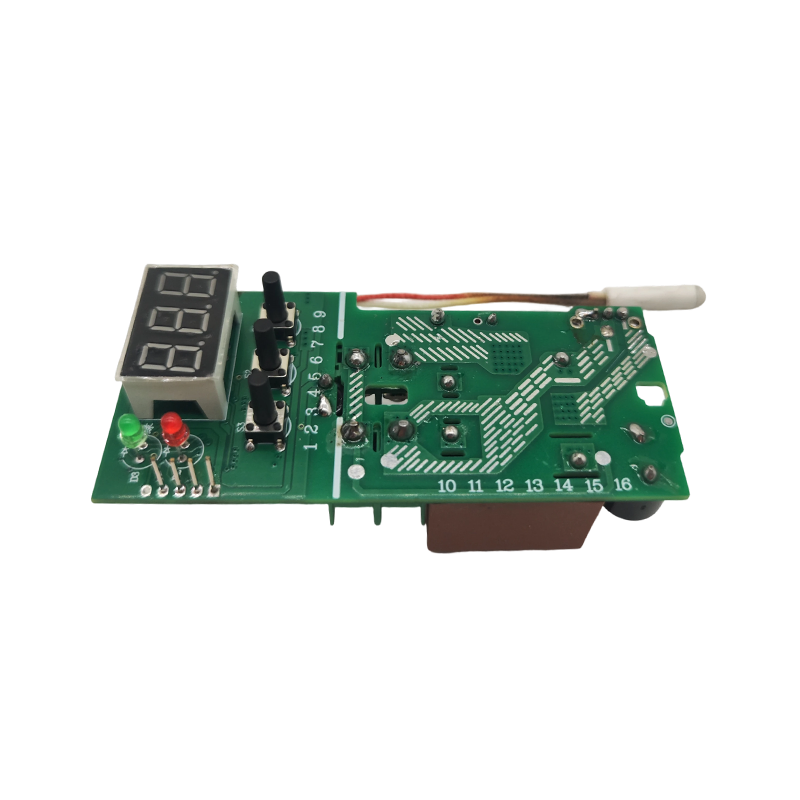 WHD-RQ400-BY Digital Display Thermostatic Controller
The WHD-RQ400-BY digital thermostat is an intelligent control device designed specifically for h...
-
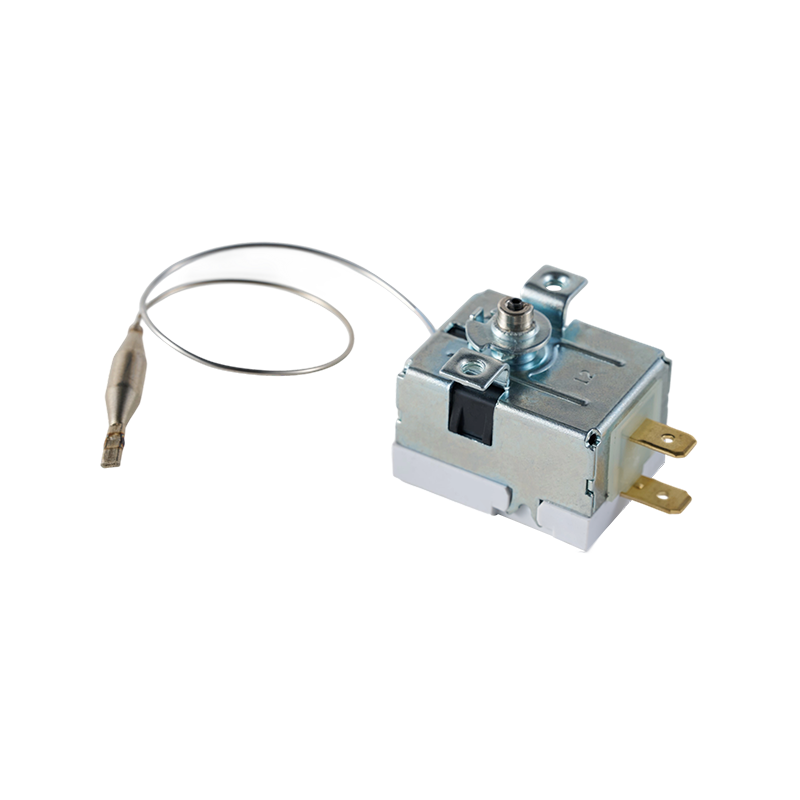 WHD-H2 320 Degree Oven Heating Temperature Limiter
The WHD-H2 oven heating limiter is designed for precise temperature control, with a maximum limi...
-
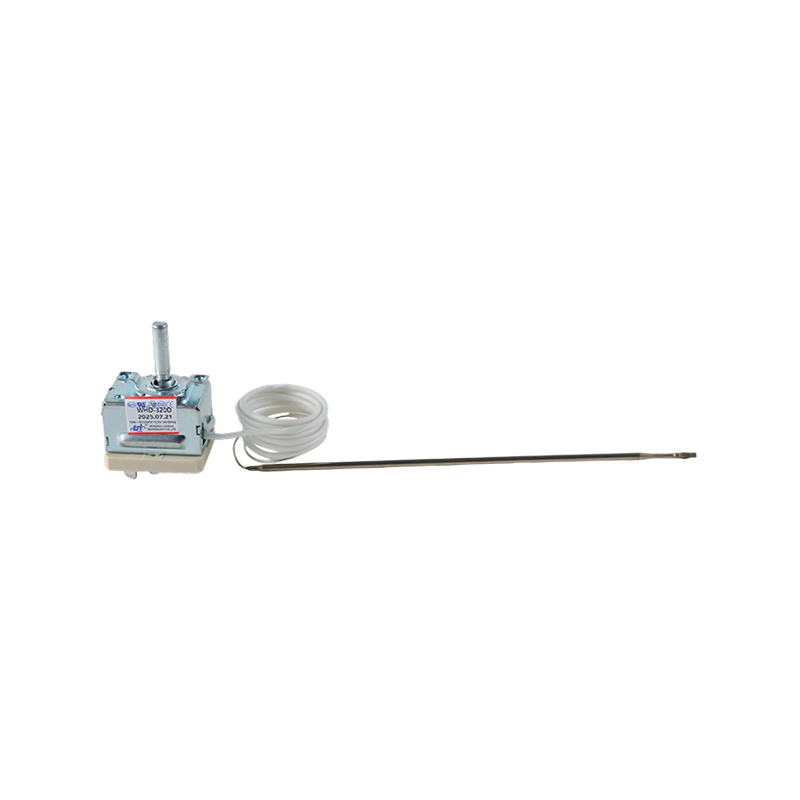 WHD-D Adjustable Mechanical Temperature Thermostat
The WHD-D adjustable mechanical thermostat offers reliable temperature control. It features a ma...
-
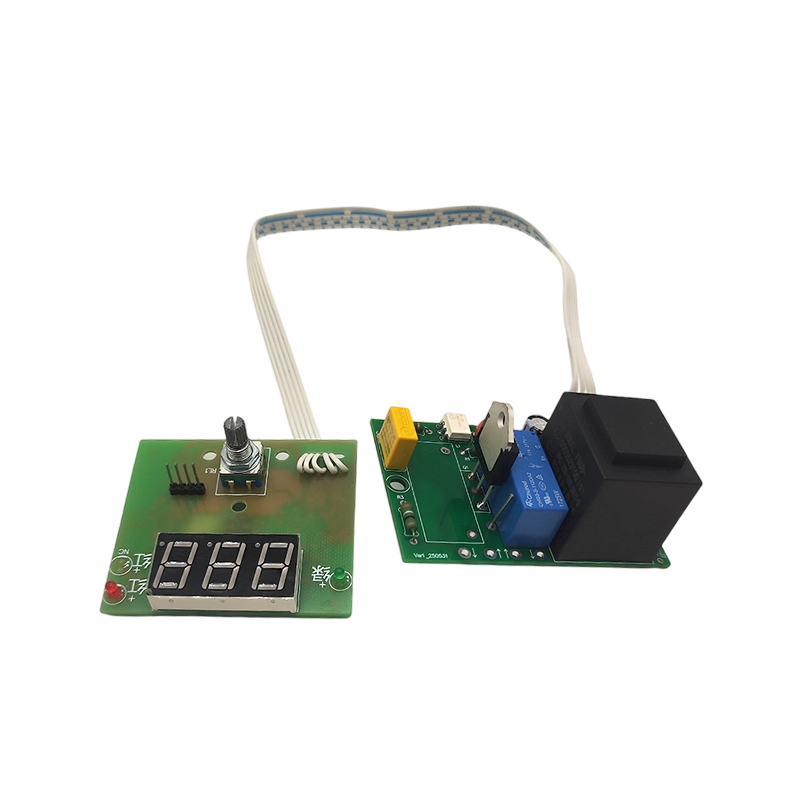 WHD-YL260 Oil Furnace Digital Thermostat
The WHD-YL260 oil furnace thermostat is an intelligent temperature control device designed speci...
-
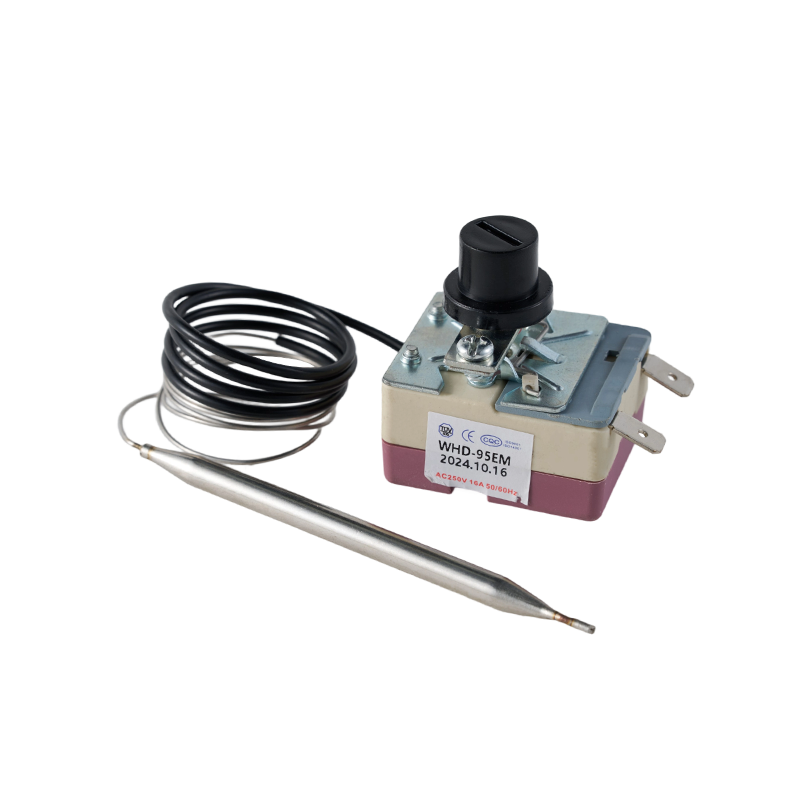 WHD-EM Limit Temperature Controller
The WHD-EM limit temperature controller is a highly reliable device for critical temperature mon...
PLEASE LEAVE YOUR SPECIFIC REQUIREMENT

QUICK LINKS
PRODUCTS
CONTACT
-
+86-15957748531
+86-15558959105
+86-19588099846
+86-18815077137 -
jilly@wzleh.com
east@wzleh.com
scott@wzleh.com
kim@wzleh.com
ADDRESS
- STI Park #B-2, Hongqiao Yueqing City, Zhejiang, China, 325608


Leheng Thermostat Factory
Copyright © Wenzhou Leheng Technology Co., Ltd. All Rights Reserved.