


 English
 Türk
TürkWHD-E copper adjustable copper capillary thermostat is a mechanical temperature regulating devic...
White Gear Knobs Use Texture, Not Size, for Better Grip
A control knob only works as well as the grip it gives an operator's fingers, and that grip depends far more on surface texture than on how large the knob is. White gear knobs solve this through a gear-shaped ridge pattern molded directly into the surface, giving fingers something to catch onto during precise adjustments rather than relying on knob diameter alone to prevent slipping. Buyers who evaluate knobs primarily on diameter and color, without testing the actual texture depth, often discover the grip difference only after white gear knobs and a smoother alternative are compared side by side in an operator's hand.
Why Gear-Shaped Texture Outperforms a Smooth Surface
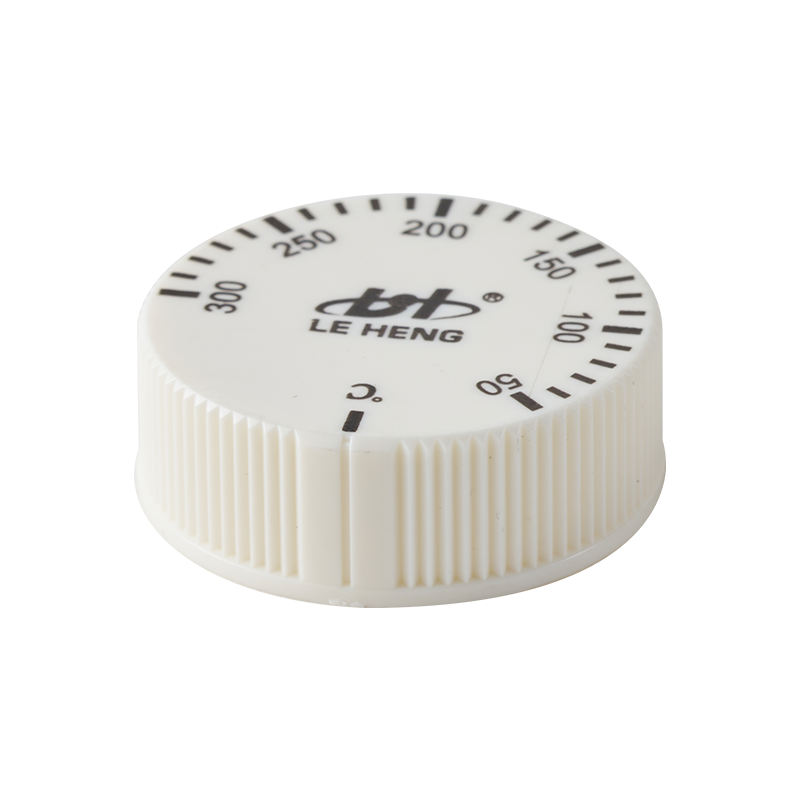
The gear texture on a white gear knob creates repeated ridges around the knob's circumference, and these ridges give fingertips distinct points of contact rather than a single continuous smooth surface to grip against. This matters especially in adjustment scenarios requiring fine control, where an operator needs to turn the knob a precise, small amount rather than a full rotation, since a textured surface resists slipping under the lighter grip pressure fine adjustment requires. Buyers specifying knobs for precision equipment should request physical samples to test grip feel directly, since texture depth that reads well in a product photo doesn't always translate to a noticeably better grip in hand.
Material Choice: Plastic Versus Metal Construction
A white gear knobs unit is typically produced in plastic or metal, and the choice between the two affects weight, tactile feel, and long-term durability differently depending on application. Plastic construction keeps unit cost lower and reduces overall assembly weight, which matters for consumer appliances where cost sensitivity is higher. Metal construction adds durability and a more substantial feel that suits industrial control panels seeing frequent daily operation, where a knob needs to withstand years of repeated turning without the surface texture wearing smooth. Buyers should match material choice to expected duty cycle rather than defaulting to whichever option costs less upfront.
Where This Knob Style Gets Used
White gear knobs commonly appear on industrial control panels, audio equipment, and home appliances, three categories that share a need for intuitive, tactile control despite otherwise having very different design requirements. Industrial applications prioritize durability and precise incremental adjustment, audio equipment prioritizes smooth, satisfying rotational feel, and home appliances prioritize simple, foolproof operation for a general consumer rather than a trained technician. Buyers should clarify which of these use cases applies to their project, since a knob tuned for industrial precision may feel unnecessarily stiff on a consumer appliance, while a knob tuned for consumer ease of use may lack the fine control an industrial application needs.
Comparing Knob Styles for Different Applications
|
Knob Style |
Grip Mechanism |
Suited For |
Typical Material |
|
Gear-textured |
Ridged surface contact |
Precision adjustment tasks |
Plastic or metal |
|
Flat |
Low-profile, minimal projection |
Space-constrained panels |
Plastic |
|
Lace or sequin |
Decorative surface pattern |
Consumer-facing aesthetic appeal |
Plastic |
|
Handle-style |
Extended lever for leverage |
High-torque manual adjustment |
Plastic or metal |
White Finish and Its Role Beyond Aesthetics
Color choice on a control knob does more than match a device's design language; a white gear knobs finish improves visibility against darker control panel backgrounds, helping operators locate the correct control quickly in low-light or high-stress operating environments. Buyers specifying knobs for equipment used in dim settings, such as commercial kitchen equipment or industrial machinery in poorly lit facilities, should weigh color contrast against the surrounding panel as a functional consideration rather than a purely cosmetic one.
Custom Sizing and Shaft Compatibility
Buyers sourcing white gear knobs for private-label or OEM equipment should confirm shaft hole diameter and depth compatibility with their specific control shaft before finalizing an order, since a knob that fits loosely or requires excessive force to seat can undermine the reliable grip the gear texture is designed to provide. Suppliers able to adjust shaft bore dimensions to match a buyer's existing hardware, rather than offering only a fixed standard bore, reduce the risk of a mismatch discovered only after a full production batch has already been manufactured. Requesting a fit sample before committing to full production remains the simplest way to confirm white gear knobs seat correctly on a buyer's specific shaft profile.
OUR PRODUCTS
Recommended Products
-
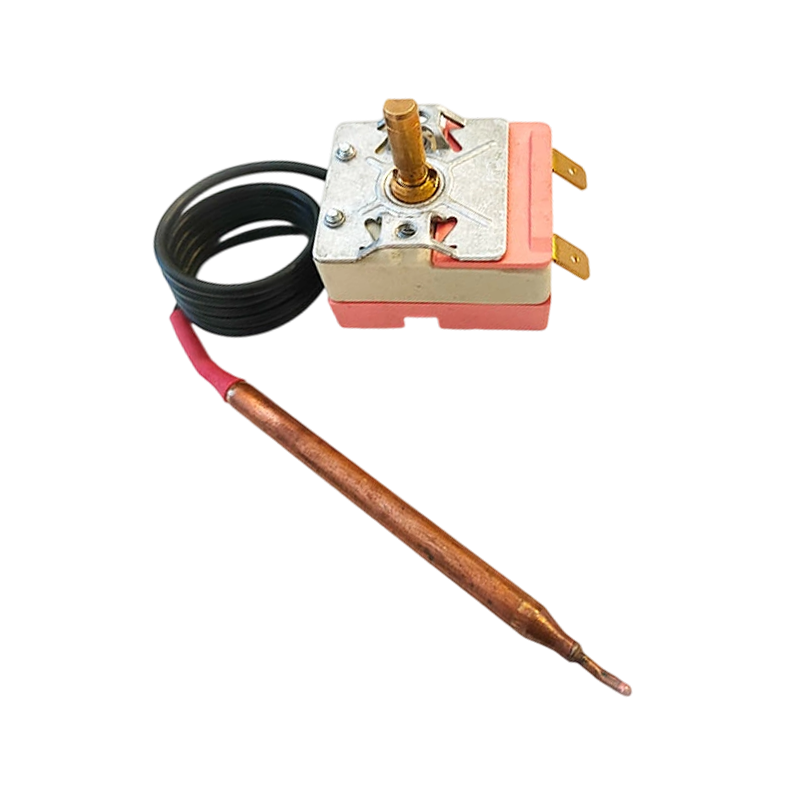
 WHD-E-CU Copper Adjustable Capillary Temperature Controller
 -
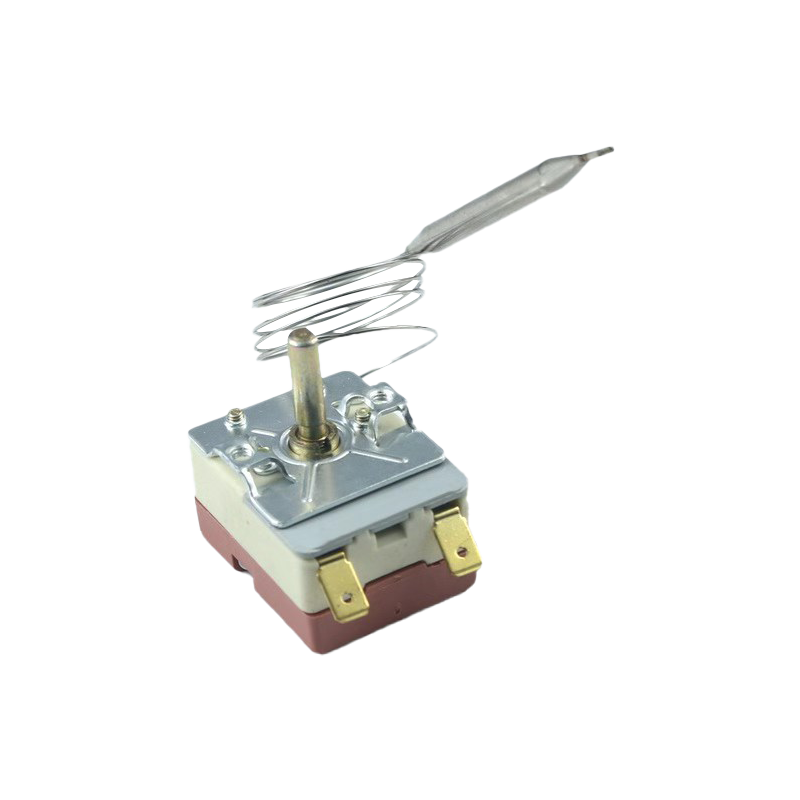 Stainless Steel Adjustable Capillary Temperature Controller
The stainless steel adjustable capillary thermostat is a mechanical temperature regulating devic...
-
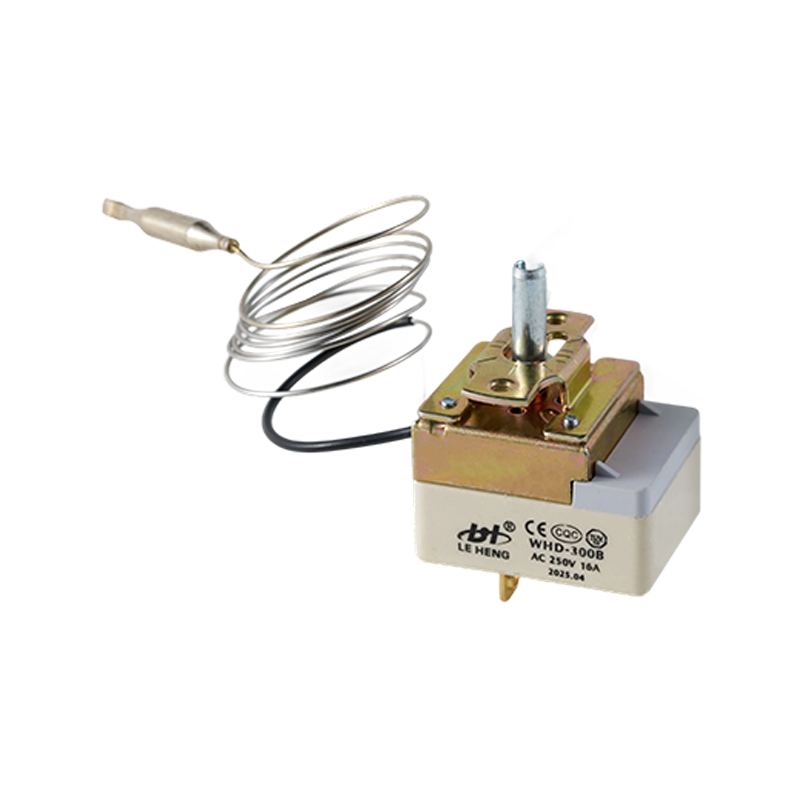 WHD-B(16A/25A) Adjustable Temperature Mechanical Capillary Thermostat
WHD-B(16A/25A) Adjustable Temperature Mechanical Capillary Thermostat is specially designed for ...
-
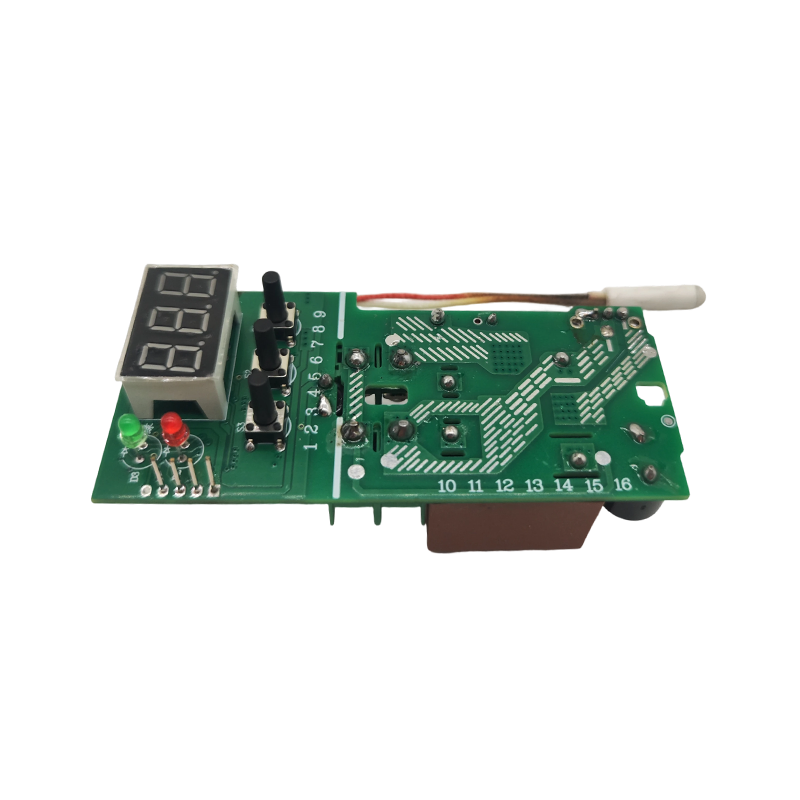 WHD-RQ400-BY Digital Display Thermostatic Controller
The WHD-RQ400-BY digital thermostat is an intelligent control device designed specifically for h...
-
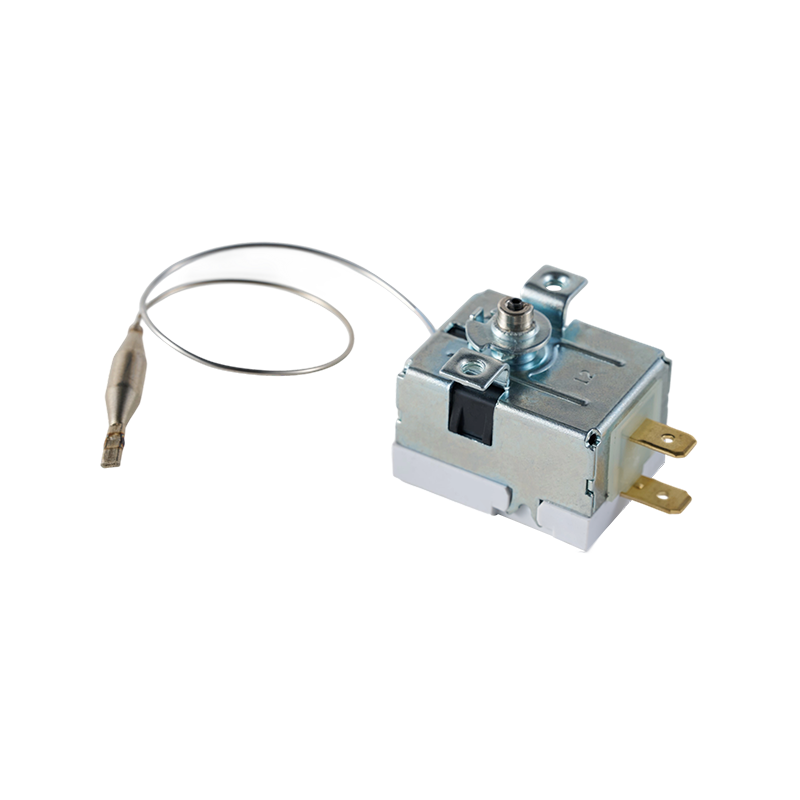 WHD-H2 320 Degree Oven Heating Temperature Limiter
The WHD-H2 oven heating limiter is designed for precise temperature control, with a maximum limi...
-
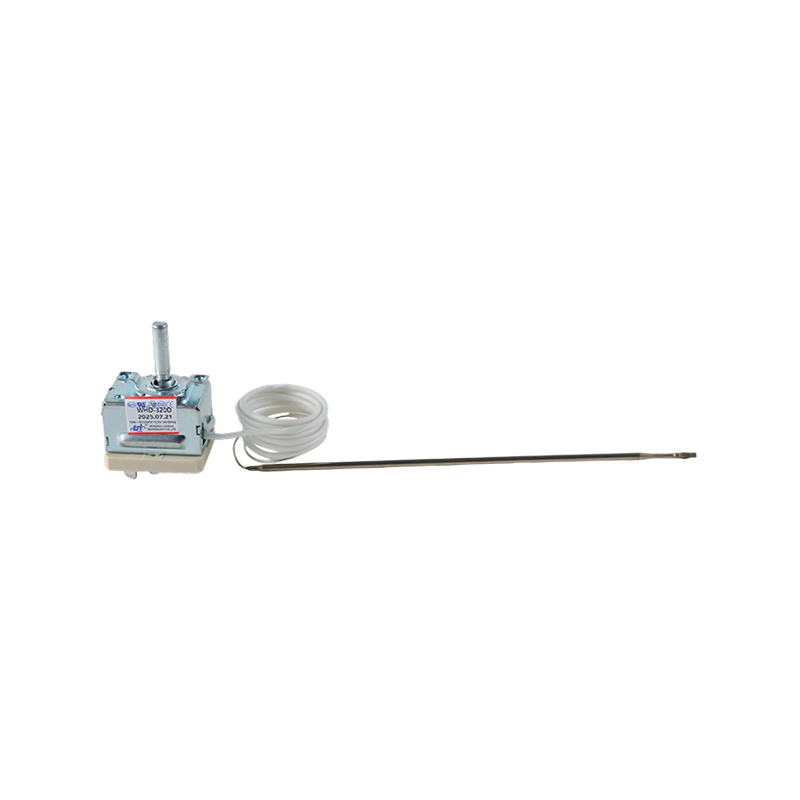 WHD-D Adjustable Mechanical Temperature Thermostat
The WHD-D adjustable mechanical thermostat offers reliable temperature control. It features a ma...
-
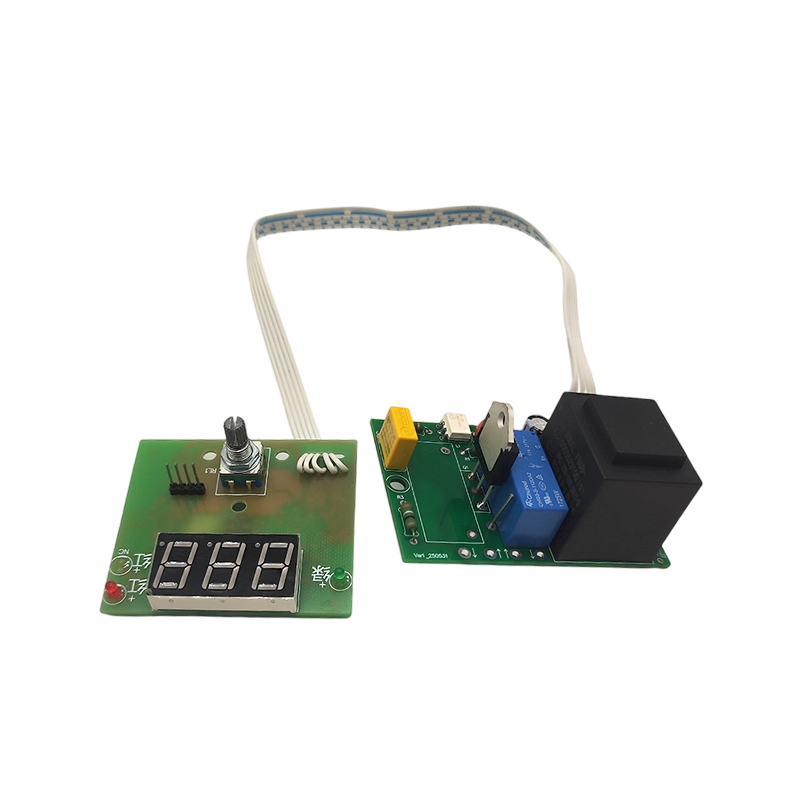 WHD-YL260 Oil Furnace Digital Thermostat
The WHD-YL260 oil furnace thermostat is an intelligent temperature control device designed speci...
-
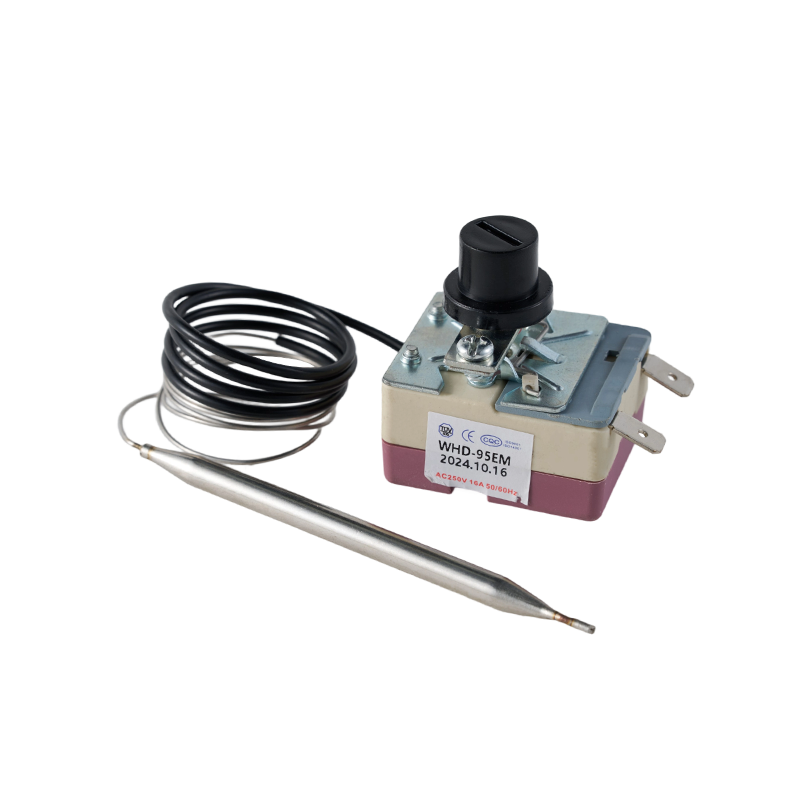 WHD-EM Limit Temperature Controller
The WHD-EM limit temperature controller is a highly reliable device for critical temperature mon...
PLEASE LEAVE YOUR SPECIFIC REQUIREMENT

QUICK LINKS
PRODUCTS
CONTACT
-
+86-15957748531
+86-15558959105
+86-19588099846
+86-18815077137 -
jilly@wzleh.com
east@wzleh.com
scott@wzleh.com
kim@wzleh.com
ADDRESS
- STI Park #B-2, Hongqiao Yueqing City, Zhejiang, China, 325608


Leheng Thermostat Factory
Copyright © Wenzhou Leheng Technology Co., Ltd. All Rights Reserved.