


 English
 Türk
Türk
SEARCH
HOT PRODUCTS
Newsletter
Which Industries Rely On Manual Reset Capillary Thermostats?
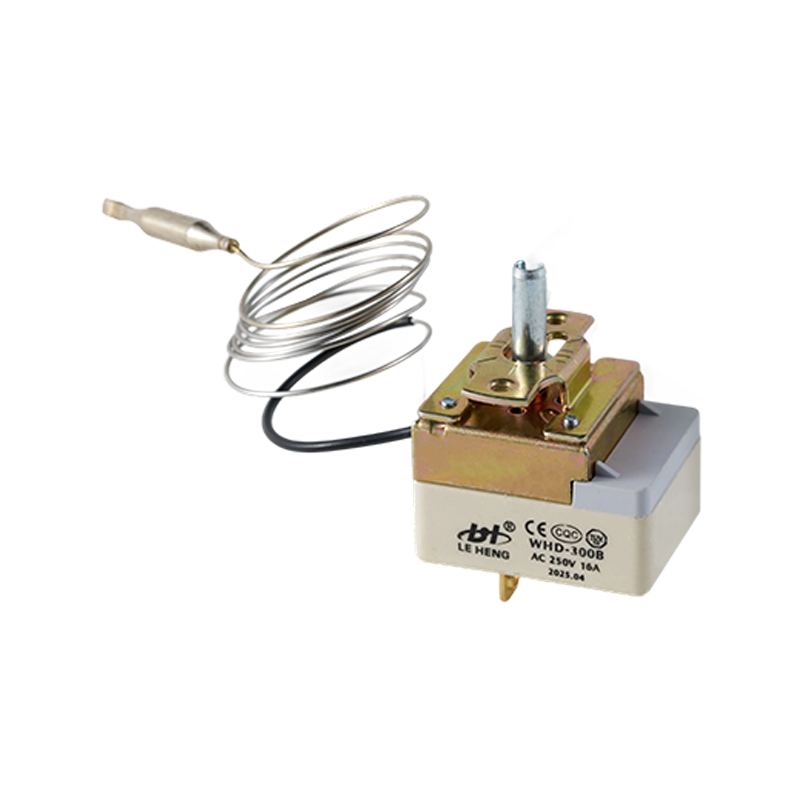
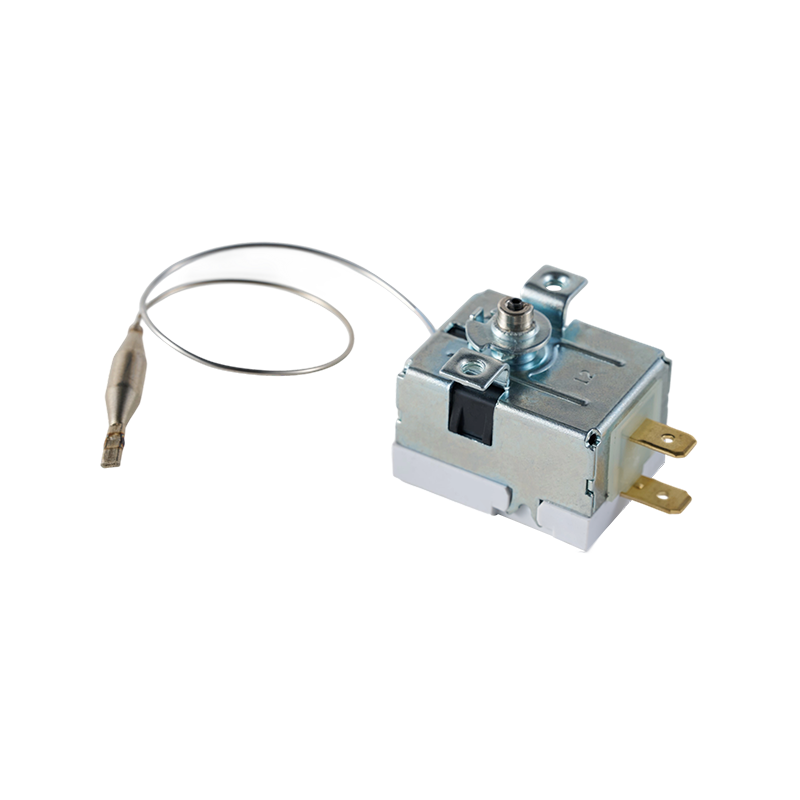
Overheat protection looks different depending on what industry is asking for it, and that variation is exactly why a manual reset capillary thermostat shows up in such a wide range of equipment despite doing the same basic job everywhere: sensing a dangerous temperature and cutting power until someone confirms it is safe to restart.
Water Heating And Storage Tank Applications

Residential and commercial water heaters remain one of the common places to find a manual reset capillary thermostat, positioned as a backup to the primary operating thermostat rather than a replacement for it. If the primary control fails and tank temperature keeps climbing past its normal set point, the capillary bulb senses the excess heat and trips the circuit before pressure or temperature reaches a level that risks tank rupture. Are commercial installations held to different requirements than residential ones? Larger commercial tanks often pair the thermostat with a pressure relief valve as a second layer of protection, since the volume of water involved in a commercial-scale failure carries higher consequences than a residential unit.
Industrial Process Heating
Process heating equipment, including oil baths, plating tanks, and chemical processing vessels, relies on a safety limiter for a slightly different reason than a home water heater does. In these settings, the fluid being heated may degrade, off-gas, or become hazardous if it exceeds a specific temperature threshold, so the thermostat's trip point is often tied directly to the chemistry of the process rather than a general safety margin. Which industries treat this strictly? Chemical processing and electroplating operations tend to specify tighter tolerances, since a temperature excursion in these processes can affect product quality or create hazardous byproducts, not just risk equipment damage.
HVAC And Space Heating Equipment
Electric space heaters, baseboard heaters, and certain HVAC duct heaters use a manual reset capillary thermostat as a last line of defense against a stuck relay or a blocked airflow path that would otherwise let temperatures climb unchecked. Duct heaters in particular depend on airflow to carry heat away from the element, so a blocked or undersized duct run can create a localized hot spot that the capillary bulb is positioned to detect quickly, given its typical placement close to the heating element itself.
Appliance Manufacturing
Where do appliance manufacturers place this component within a wider design? Dryers, deep fryers, and certain cooking appliances integrate a manual reset capillary thermostat as a required safety component under appliance safety standards, positioned separately from the appliance's normal temperature control. This separation matters because a single faulty control board or sensor should not be able to disable both the operating thermostat and the safety backup at the same time, which is why the two systems are typically wired and mounted independently.
Agricultural And Livestock Heating
Livestock housing and agricultural equipment, including brooder heaters and grain drying systems, represent a less obvious but growing application. Do these environments introduce different failure risks than industrial settings? Dust, moisture, and inconsistent power quality are common in agricultural settings, which pushes equipment designers toward simpler, more mechanically robust safety devices rather than electronic sensors that may be more vulnerable to environmental interference. A manual reset capillary thermostat fits this need well, since the mechanical bulb-and-switch design has fewer components that can fail from dust ingress or voltage fluctuation compared to a solid-state alternative.
|
Industry |
Primary Risk Addressed |
Typical Placement |
|
Water heating |
Tank overheat, pressure buildup |
Tank wall, near element |
|
Chemical processing |
Fluid degradation, hazard threshold |
Process vessel |
|
HVAC/space heating |
Blocked airflow, stuck relay |
Near the heating element |
|
Appliance manufacturing |
Control board failure |
Independent circuit |
|
Agricultural heating |
Environmental interference |
Brooder/dryer housing |
Each of these industries approaches the same underlying device from a different angle, shaped by what specifically goes wrong when heat control fails in that setting, which is part of why trip point specifications and mounting positions vary so much across product categories that otherwise share the same core mechanism.
OUR PRODUCTS
Recommended Products

PLEASE LEAVE YOUR SPECIFIC REQUIREMENT

QUICK LINKS
PRODUCTS
CONTACT
-
+86-15957748531
+86-15558959105
+86-19588099846
+86-18815077137 -
jilly@wzleh.com
east@wzleh.com
scott@wzleh.com
kim@wzleh.com
ADDRESS
- STI Park #B-2, Hongqiao Yueqing City, Zhejiang, China, 325608


Leheng Thermostat Factory
Copyright © Wenzhou Leheng Technology Co., Ltd. All Rights Reserved.