


 English
 Türk
Türk
SEARCH
HOT PRODUCTS
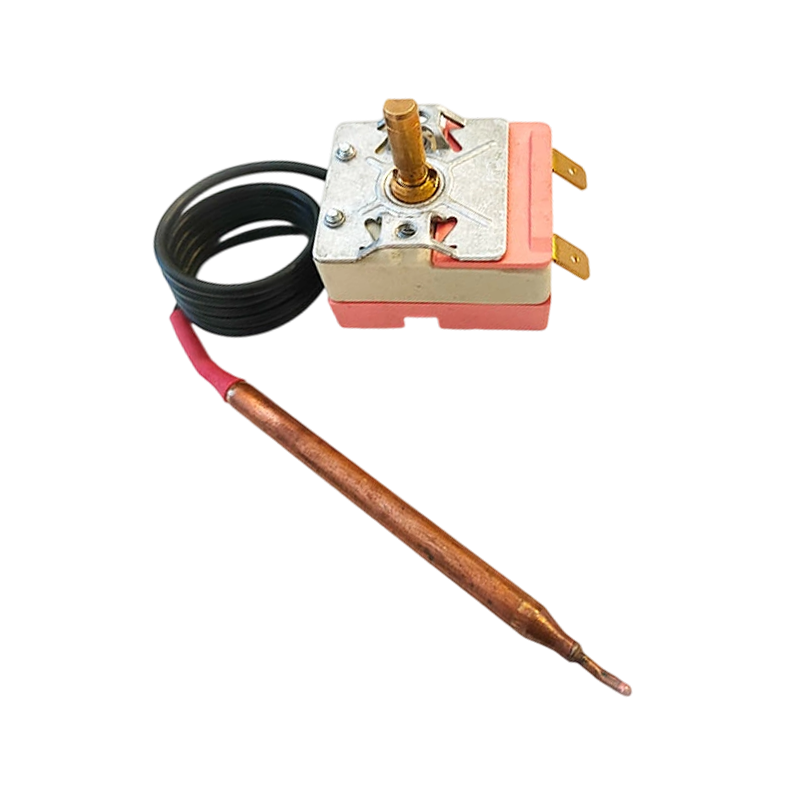
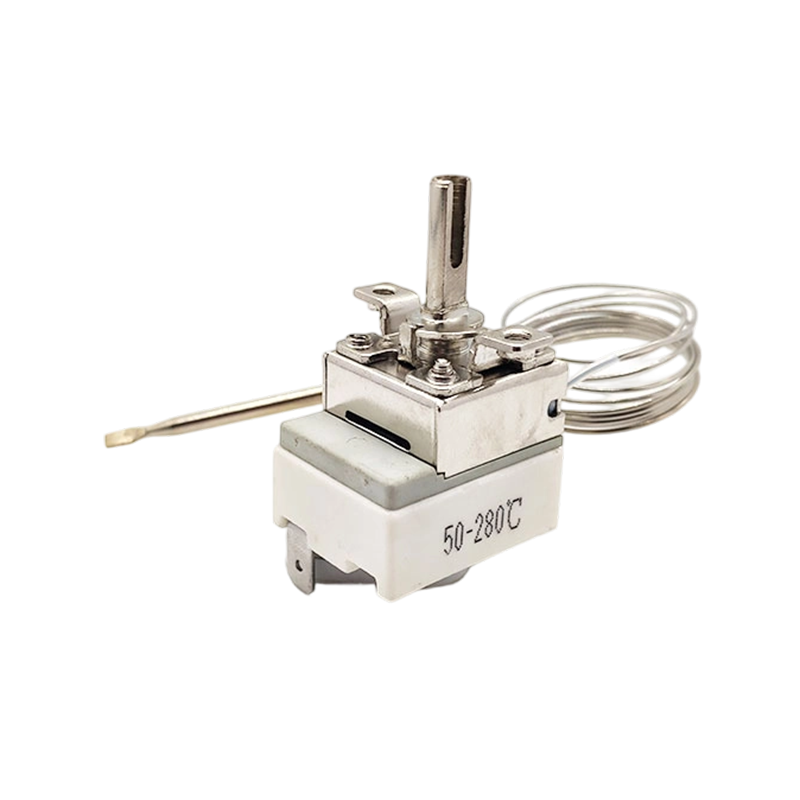
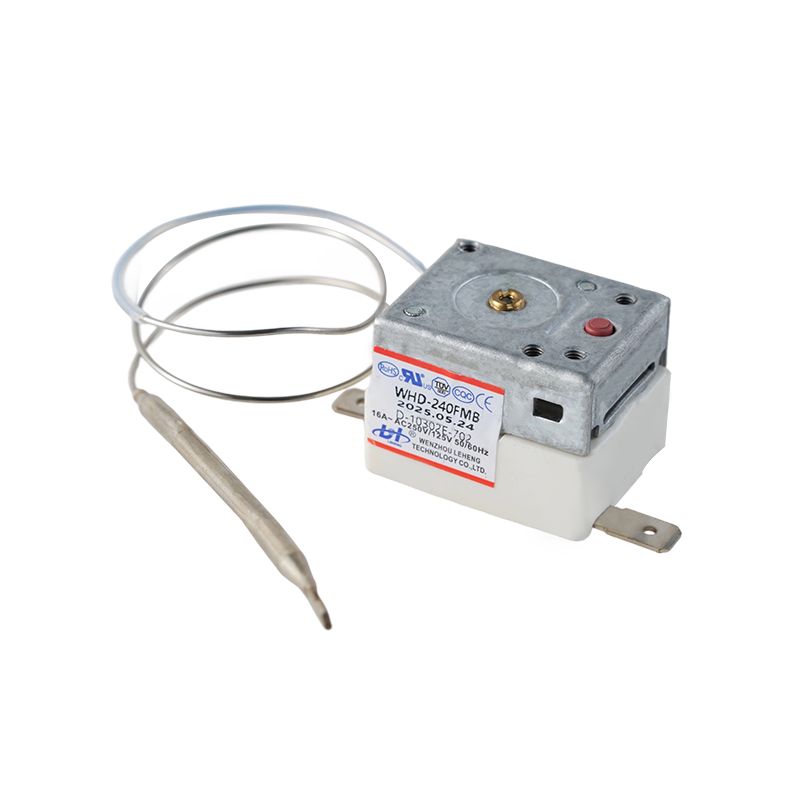
Newsletter
Can Capillary Reset Thermostat Improve Heating Safety Control?
A capillary reset thermostat is used in heating equipment where temperature monitoring and safety protection need to work together. Unlike ordinary temperature control components that only adjust operation during normal conditions, this type of thermostat is designed to respond when the temperature exceeds a preset safety limit.
In many heating systems, temperature changes happen continuously during operation. A safety device needs to detect abnormal conditions quickly and provide a clear response before equipment problems occur.
Temperature Protection Requires A Separate Safety Layer
Heating equipment usually contains control systems that manage normal operation.
However, unexpected situations may still happen.
A control component may fail.
Heat output may become abnormal.
The surrounding conditions may change.
In these cases, an additional protection device can provide another level of temperature management.
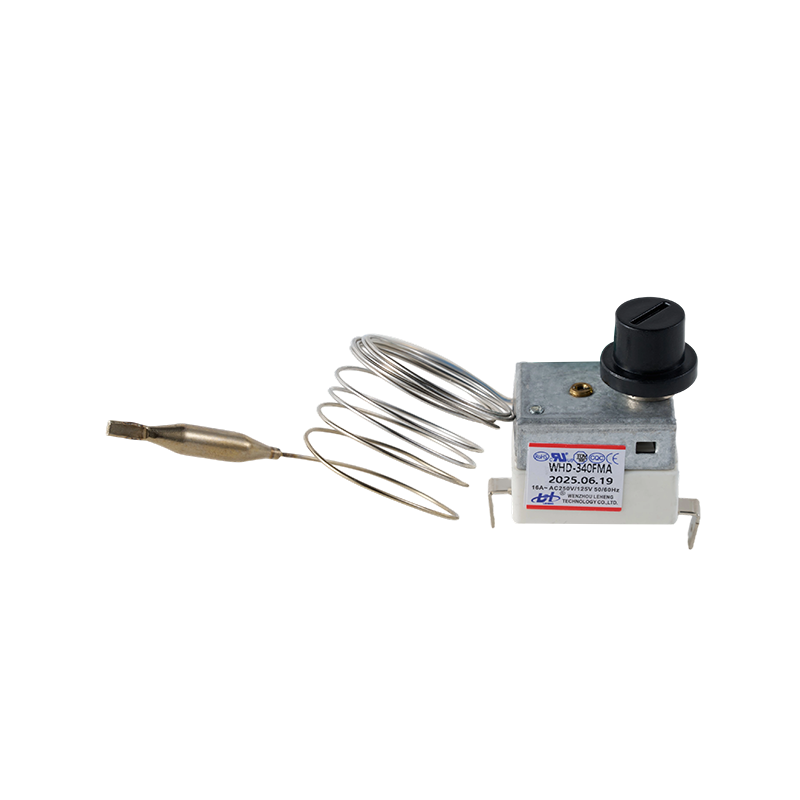
A capillary reset thermostat works as a safety limiter by interrupting the circuit after reaching a set temperature point. The system does not automatically return to operation until manual resetting is completed.
This design allows operators to check the cause of overheating before restarting the equipment.
Capillary Sensing Helps Flexible Installation
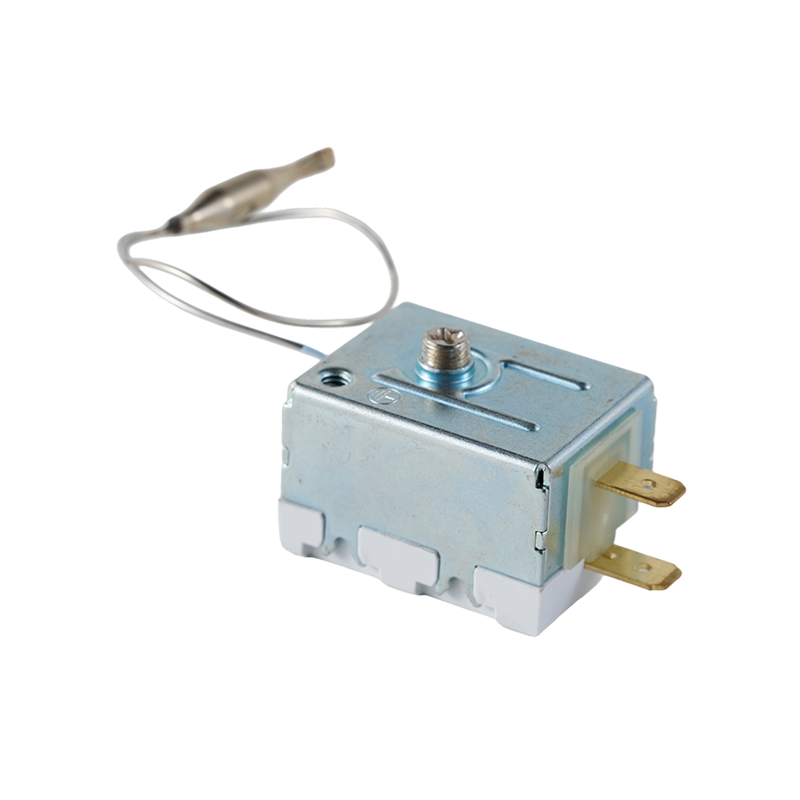
One feature of capillary thermostat structures is the remote sensing method.
The sensing bulb connects with the main thermostat body through a capillary tube.
This structure allows temperature detection at a specific location while keeping the control mechanism positioned separately.
For heating equipment with limited installation space, this arrangement provides more flexibility.
The sensing position.
The tube length.
The installation method.
These factors influence the final application.
For a capillary reset thermostat, the sensing structure needs to match the equipment design so that temperature changes can be detected accurately.
Manual Reset Changes The Protection Process
The reset method creates an important difference between safety thermostats and automatic control devices.
After an overheating event, automatic restart may not always be suitable.
A manual reset design requires human confirmation before the equipment operates again.
This process encourages operators to inspect possible causes, such as abnormal heating conditions or system faults.
For industrial equipment and heating appliances, this additional step can help prevent repeated operation under unsafe conditions.
Manufacturing Accuracy Affects Product Performance
Although a thermostat has a compact structure, its internal components require careful manufacturing.
The sensing element.
The switching mechanism.
The housing structure.
The connection terminals.
Each part needs to work together correctly.
During production, manufacturers usually pay attention to component assembly and performance testing.
sensing response inspection
switching operation testing
mechanical structure checking
finished product verification
For a capillary reset thermostat, manufacturing consistency helps maintain similar operating characteristics between different units.
Application Requirements Influence Product Design
Different heating equipment creates different requirements for thermostat products.
Water heating systems.
Industrial heating machines.
Commercial equipment.
Electrical appliances.
Each application may involve different temperature ranges and installation conditions.
Because of this, thermostat design needs to consider more than the basic switching function.
The relationship between sensing position, electrical capacity, and mechanical structure all influences product selection.
Production Experience Comes From Real Equipment Applications
Thermostat manufacturing is closely connected with practical equipment requirements.
A product developed for one application may need adjustments before being used in another environment.
Manufacturers collect feedback from different projects and use this information to improve product design.
For a capillary reset thermostat, experience with temperature protection applications helps suppliers understand different customer requirements.
Safety Components Support Long-Term Equipment Operation
A heating system depends on multiple components working together.
The heating element provides energy.
The controller manages normal operation.
The safety thermostat provides protection during abnormal conditions.
A capillary reset thermostat represents the connection between temperature sensing and safety management.
Behind its compact appearance are considerations involving sensing technology, mechanical structure, and production control.
For heating equipment manufacturers, selecting and producing suitable safety components is an important part of creating reliable temperature protection systems.


PLEASE LEAVE YOUR SPECIFIC REQUIREMENT

QUICK LINKS
PRODUCTS
CONTACT
-
+86-15957748531
+86-15558959105
+86-19588099846
+86-18815077137 -
jilly@wzleh.com
east@wzleh.com
scott@wzleh.com
kim@wzleh.com
ADDRESS
- STI Park #B-2, Hongqiao Yueqing City, Zhejiang, China, 325608


Leheng Thermostat Factory
Copyright © Wenzhou Leheng Technology Co., Ltd. All Rights Reserved.