


 English
 Türk
Türk
SEARCH
HOT PRODUCTS

Newsletter
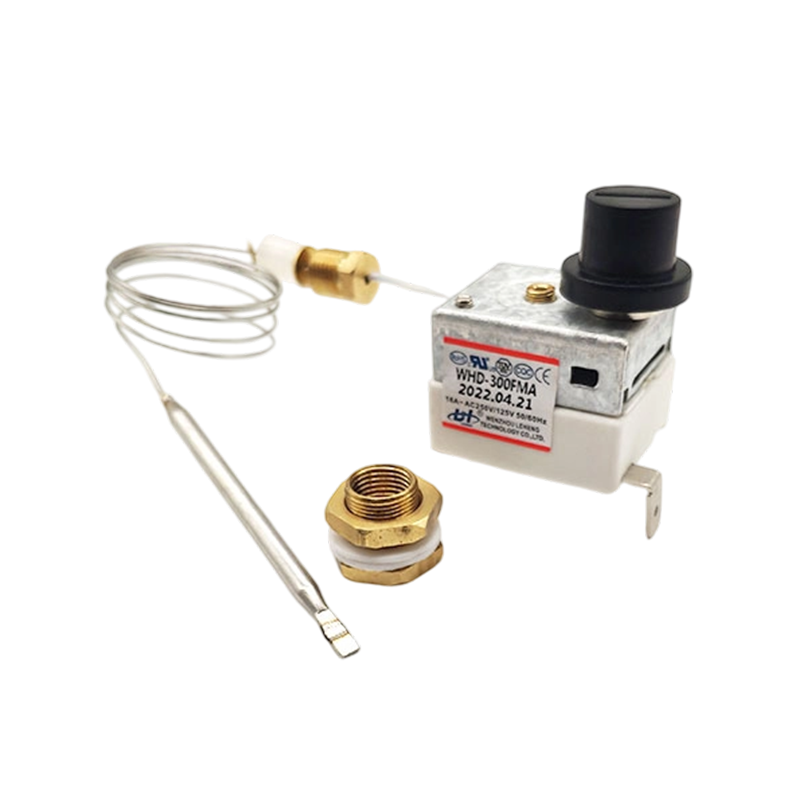
Troubleshooting Why a Manual Reset Limit Thermostat Keeps Tripping
A Manual Reset Limit Thermostat that trips repeatedly can be frustrating. Each time you press the reset button, the device opens again after a short period of operation. This pattern indicates a persistent problem rather than a random event.
Check Airflow and Ventilation
Many heating systems depend on moving air or liquid to carry heat away from the heating element. A reduction in airflow is a frequent reason for limited trips. Examine the air filter: a clogged filter restricts flow and causes the internal temperature to rise. Look at the blower or fan. Is it turning at the expected speed? A slipping belt, a failing motor bearing, or a dirty fan blade all reduce airflow. Also inspect supply and return grilles for obstructions such as furniture, dust buildup, or closed dampers. Restoring proper airflow often stops the tripping.
Examine the Heating Element or Burner
An oversized heating element or a burner running at excessive pressure can push temperatures beyond the limit setting, even when airflow is normal. Measure the operating temperature (without naming specific numbers) using a reliable thermometer. Compare it to the equipment’s nameplate range. If the temperature exceeds the limit setting before the limit trips, the main temperature controller may be inaccurate. Alternatively, a shorted solid‑state relay or a welded contactor can keep the heater on continuously. In that case, the limit device is doing its job correctly, but the control system needs repair.
Inspect the Limit Device’s Location and Setting
Sometimes the Manual Reset Limit Thermostat itself is not at fault. The device might be mounted too close to a heat source that normally becomes hot during routine operation. For example, placing the sensor directly above a heating element without a baffle can cause premature tripping. Check the installation manual for the recommended mounting position. Also, to verify the temperature setting of the limit device. A setting that is too close to the normal operating temperature will cause frequent nuisance trips. A margin of a few degrees is typical, but the exact value depends on the application.
Test the Limit Thermostat for Internal Faults
Although less common, the limit device itself can degrade. The bimetal disc may lose its calibration after repeated trips. The internal contacts may become pitted or develop high resistance, causing heating of the device body and false trips. To test, disconnect the power and remove the limit device. Use a continuity tester across the terminals. At room temperature, the contacts should be closed. If they are open when the device is cool, the unit has failed. Also, gently warm the sensor area with a heat source (like a hair dryer) while monitoring continuity; the switch should open at a certain temperature. If the opening temperature is far below the marked rating, replace the device.
Look for Intermittent Short Circuits
A loose wire or a frayed insulation can cause erratic behavior. Vibration from the equipment may occasionally short a wire to ground, drawing high current that heats the limit device indirectly. Inspect all wiring from the limit switch. Tighten terminal screws. Look for signs of burning or melting near the connections. Replacing damaged wiring is a simple fix that resolves some tripping issues.
Process of Elimination
Start with the simplest checks: clean the filter, confirm the fan runs, and measure the operating temperature. If those are normal, move to the limit device test. Replace the unit if it fails the bench test. If the new device also trips, the problem lies elsewhere, possibly in the main controller or the heating element itself. Keeping a record of when the trips occur (for example, after long run times or during cold weather) can provide clues.
A Manual Reset Limit Thermostat that keeps tripping should never be bypassed. The device is warning of an unsafe condition. Working through these checks systematically will reveal the root cause and allow a permanent repair.
OUR PRODUCTS
Recommended Products



PLEASE LEAVE YOUR SPECIFIC REQUIREMENT

QUICK LINKS
PRODUCTS
CONTACT
-
+86-15957748531
+86-15558959105
+86-19588099846
+86-18815077137 -
jilly@wzleh.com
east@wzleh.com
scott@wzleh.com
kim@wzleh.com
ADDRESS
- STI Park #B-2, Hongqiao Yueqing City, Zhejiang, China, 325608


Leheng Thermostat Factory
Copyright © Wenzhou Leheng Technology Co., Ltd. All Rights Reserved.