


 English
 Türk
Türk
SEARCH
HOT PRODUCTS
Newsletter
How to Safely Reset Your Manual Reset Limit Thermostat After Overheating
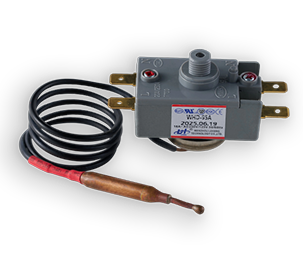
Overheating events in heating equipment can be concerning for any facility manager or homeowner. A Manual Reset Limit Thermostat is a safety component designed to interrupt power when temperatures exceed a set threshold. Restoring operation after an overheat condition requires a deliberate reset procedure.
Recognize When a Reset Is Needed
Before attempting any reset, confirm that the device has indeed interrupted the circuit due to excessive temperature. Signs include a complete lack of power to the heating element, a cold appliance that should be warm, or a visible button that has popped out. Do not assume a failure of the main controller; the limit device may have done its intended job.
Allow Adequate Cooling Time
The internal sensing element of a Manual Reset Limit Thermostat needs time to cool down before a reset can be successful. Rushing this step will result in a button that cannot be pressed or that immediately trips again. A waiting period of at least twenty to thirty minutes is typical. During this time, inspect the equipment for any obvious causes of overheating, such as blocked air intakes or a fan that is not running.
Locate the Reset Button
The reset button is usually red or clearly marked. On many appliances, it is found on the control panel, near the wiring compartment, or directly on the body of the limit switch. Some industrial heaters place the button behind a small access cover. Refer to the equipment manual if the button is not immediately visible. The button may be recessed to prevent accidental pressing, requiring a tool like a screwdriver or a pen tip.
Perform the Manual Reset
With the equipment powered off, press the reset button firmly until a distinct click is heard or felt. That click indicates the internal contacts have re‑closed. After pressing, release the button; it should stay in its normal position rather than popping back out. If the button does not stay engaged, the device may still be too hot, or an underlying fault remains unresolved.
Restart and Monitor the System
After a successful reset, restore power to the equipment. Observe the temperature or operation for a full cycle. Listen for unusual sounds from fans, pumps, or burners. Check that the temperature stabilizes within the expected range. If the limit device trips again within a short time, do not repeatedly force the reset. Each additional trip suggests a persistent issue that requires investigation.
When to Call a Professional
Repeated tripping of a Manual Reset Limit Thermostat points to problems such as a failed temperature controller, a shorted heating element, or poor ventilation. In these situations, a trained service technician should examine the system. Trying to bypass the limit switch is not a safe option. The device exists to prevent fire hazards or equipment damage, and its repeated activation should be treated as a warning signal rather than a nuisance.
Preventive Measures
Routine maintenance reduces the chance of overheating. Clean air filters, inspect blower motors, and verify that temperature sensors are correctly calibrated. Keeping a log of how often the limit device trips can help identify developing problems early. When a Manual Reset Limit Thermostat operates once a year or less, the system is likely in good condition. More frequent trips demand attention.
By following these steps, a user can safely restore operation after an overheat event while respecting the safety role of the limit device. The process is straightforward but requires patience and observation.
OUR PRODUCTS
Recommended Products

PLEASE LEAVE YOUR SPECIFIC REQUIREMENT

QUICK LINKS
PRODUCTS
CONTACT
-
+86-15957748531
+86-15558959105
+86-19588099846
+86-18815077137 -
jilly@wzleh.com
east@wzleh.com
scott@wzleh.com
kim@wzleh.com
ADDRESS
- STI Park #B-2, Hongqiao Yueqing City, Zhejiang, China, 325608


Leheng Thermostat Factory
Copyright © Wenzhou Leheng Technology Co., Ltd. All Rights Reserved.