


 English
 Türk
Türk
SEARCH
HOT PRODUCTS

Newsletter
Thermostat for Water Cooler: Differences Between Mechanical and Electronic Controllers
Water coolers are designed to deliver reliable hot and cold water, and the thermostat for the water cooler plays a key role in regulating temperature. Modern appliances may use either mechanical or electronic thermostats, each with distinct characteristics and operational methods. Understanding these differences helps users and facility managers select and maintain appliances to meet performance expectations.

Mechanical Thermostats: Principles and Operation
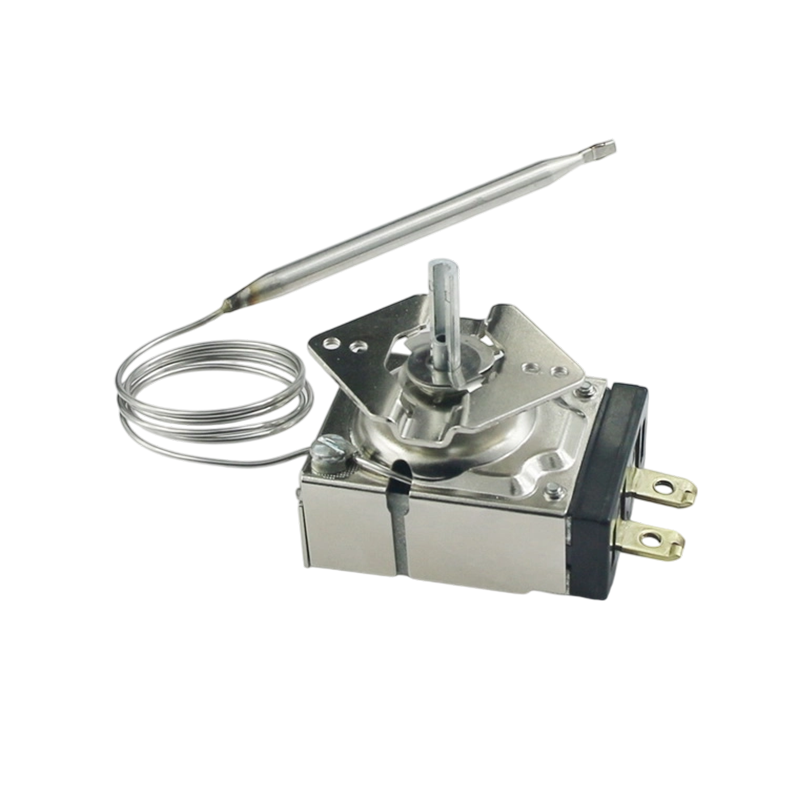
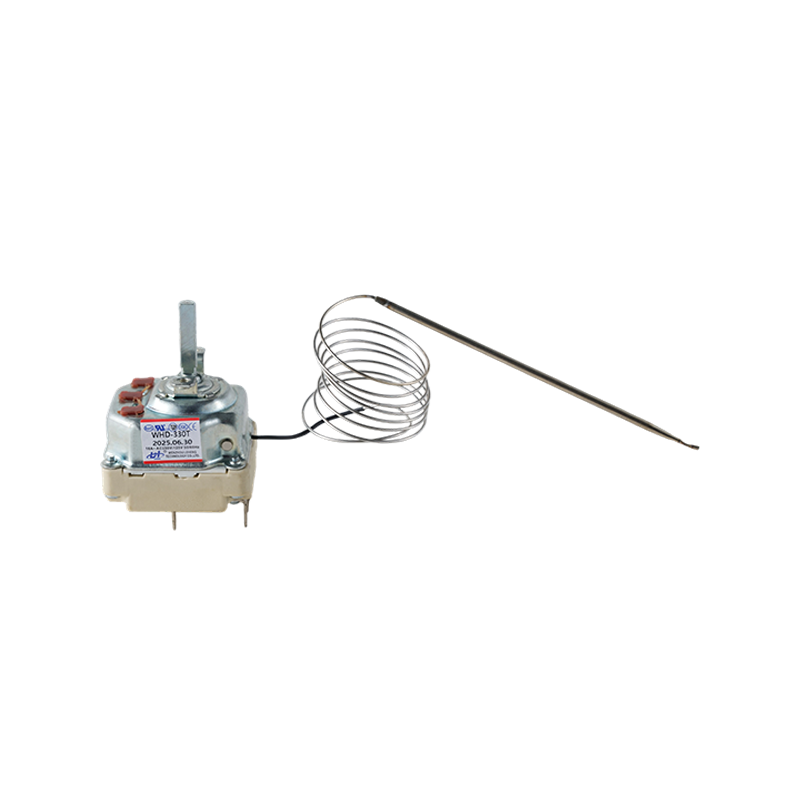
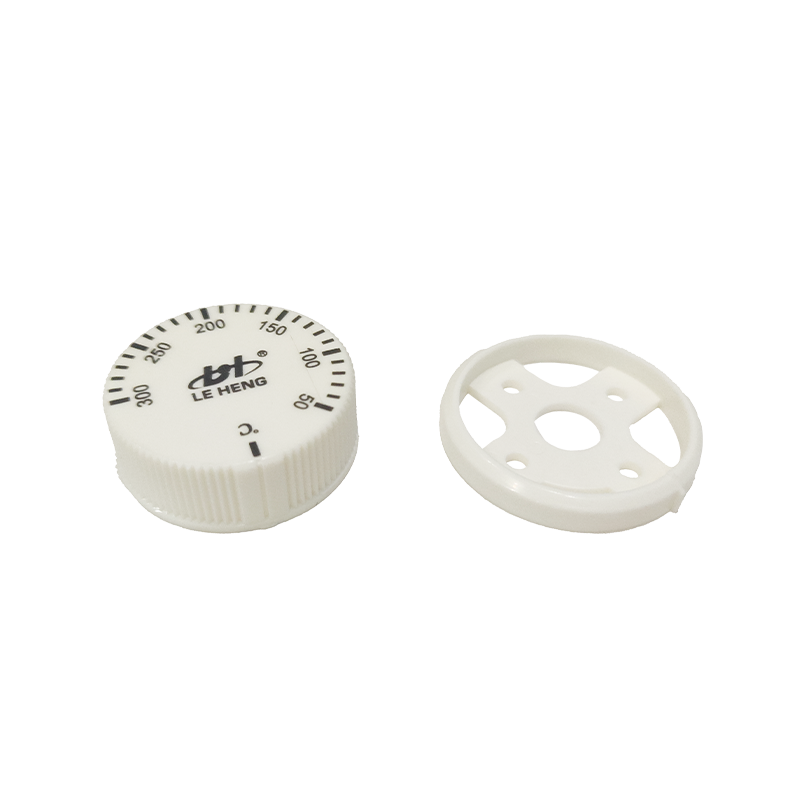
Mechanical thermostats regulate temperature using physical mechanisms that respond to heat. They often rely on materials that expand or contract with temperature changes, which trigger electrical contacts to open or close. This simple process activates or deactivates heating or cooling systems in the water cooler.
These thermostats are known for their straightforward design and durability. They require minimal electronic components, making them easier to inspect and replace if necessary. Mechanical thermostats can be manually adjusted to set the desired water temperature, making them suitable for appliances where basic and reliable temperature control is sufficient.
Electronic Thermostats: Principles and Features
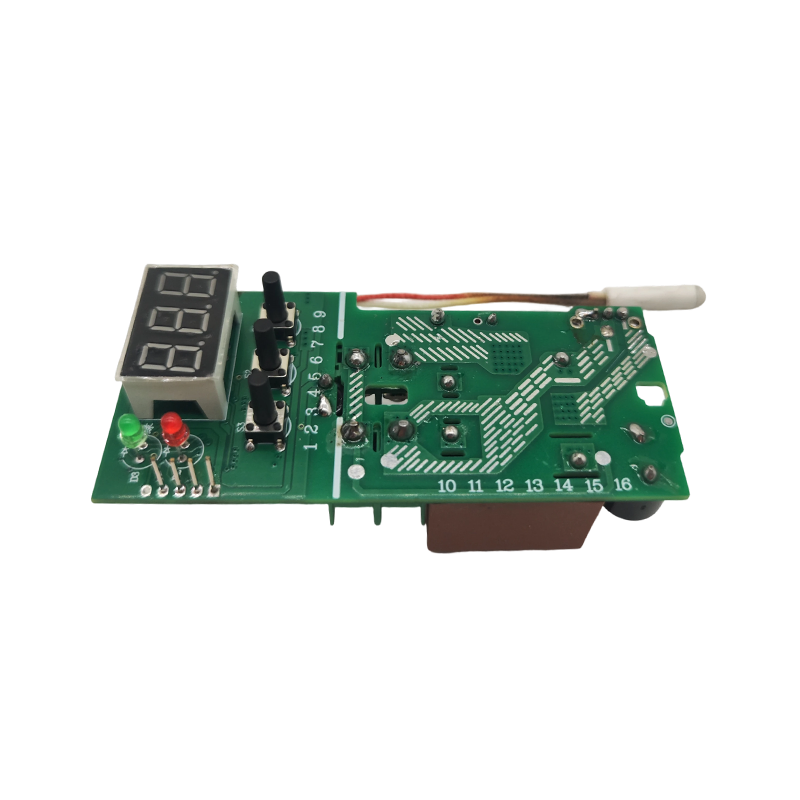
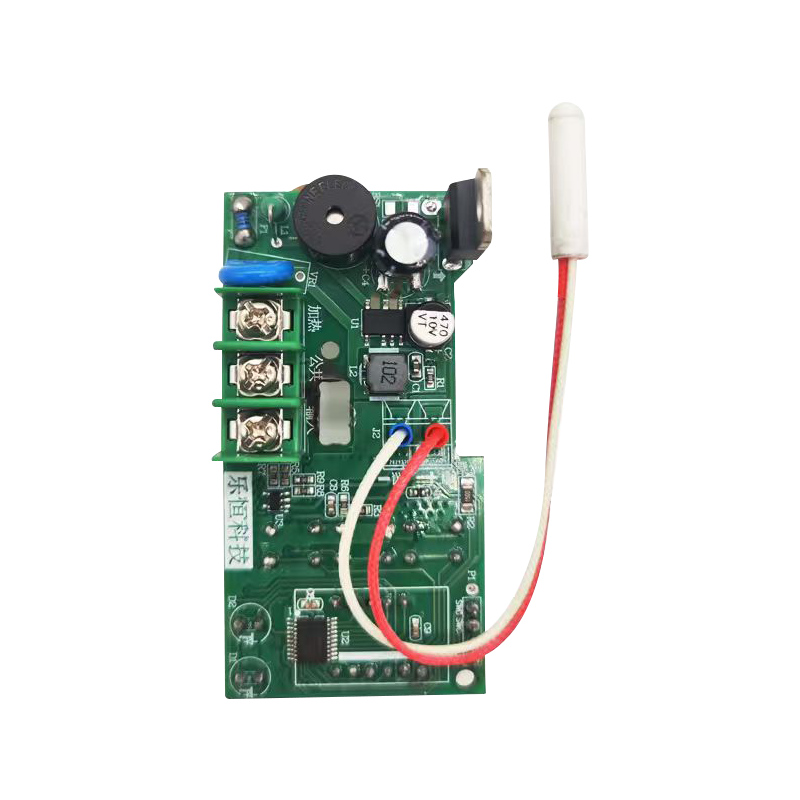
Electronic thermostats operate using temperature sensors and control circuits. Sensors continuously measure water or environmental temperature, sending data to a control unit. The control unit interprets the readings and activates or deactivates the heating or cooling systems accordingly.
Electronic systems can provide more precise temperature control and allow for features such as programmable settings or digital displays. They respond to small fluctuations in temperature and maintain consistent water quality, even in environments with variable usage or ambient conditions.
Key Differences Between Mechanical and Electronic Systems
Several factors distinguish mechanical and electronic thermostats:
- Temperature sensing method: Mechanical systems rely on physical expansion or contraction, whereas electronic systems depend on sensor signals and digital processing.
- Precision: Electronic thermostats typically maintain tighter temperature regulation compared to mechanical units.
- Adjustment method: Mechanical thermostats usually require manual adjustment, while electronic systems may offer digital or programmable controls.
- Maintenance complexity: Mechanical units are simple to inspect and repair, while electronic systems may require specialized knowledge for troubleshooting.
Choosing the Right Thermostat
Selecting a thermostat depends on the water cooler type, user needs, and environmental conditions. For basic models, mechanical thermostats are often sufficient and easy to maintain. For appliances where precise or programmable temperature control is important, electronic thermostats may be preferred. Regular monitoring and maintenance of either system ensures consistent performance and safe operation.
Advantages of Proper Thermostat Selection
Choosing the appropriate thermostat type improves appliance performance and user satisfaction. Accurate temperature control supports consistent hot and cold water, prevents excessive wear on components, and can reduce energy usage by limiting unnecessary heating or cooling cycles. Proper thermostat selection also simplifies maintenance and troubleshooting, as the operational characteristics of each type are understood in advance.
Future Considerations
While mechanical and electronic thermostats remain widely used, advances in sensor technology and digital controls continue to enhance performance. Modern water coolers may incorporate integrated monitoring systems that alert users to irregular temperature changes or system malfunctions. These developments support efficient operation and contribute to overall appliance reliability.
Understanding the differences between mechanical and electronic thermostats helps users make informed decisions about water cooler operation and maintenance. Both systems serve the fundamental purpose of controlling water temperature, but they differ in precision, adjustment methods, and maintenance needs. Careful selection, combined with proper operation and maintenance, ensures reliable water temperature, efficient appliance function, and long-term usability.
OUR PRODUCTS
Recommended Products

PLEASE LEAVE YOUR SPECIFIC REQUIREMENT

QUICK LINKS
PRODUCTS
CONTACT
-
+86-15957748531
+86-15558959105
+86-19588099846
+86-18815077137 -
jilly@wzleh.com
east@wzleh.com
scott@wzleh.com
kim@wzleh.com
ADDRESS
- STI Park #B-2, Hongqiao Yueqing City, Zhejiang, China, 325608


Leheng Thermostat Factory
Copyright © Wenzhou Leheng Technology Co., Ltd. All Rights Reserved.