


 English
 Türk
Türk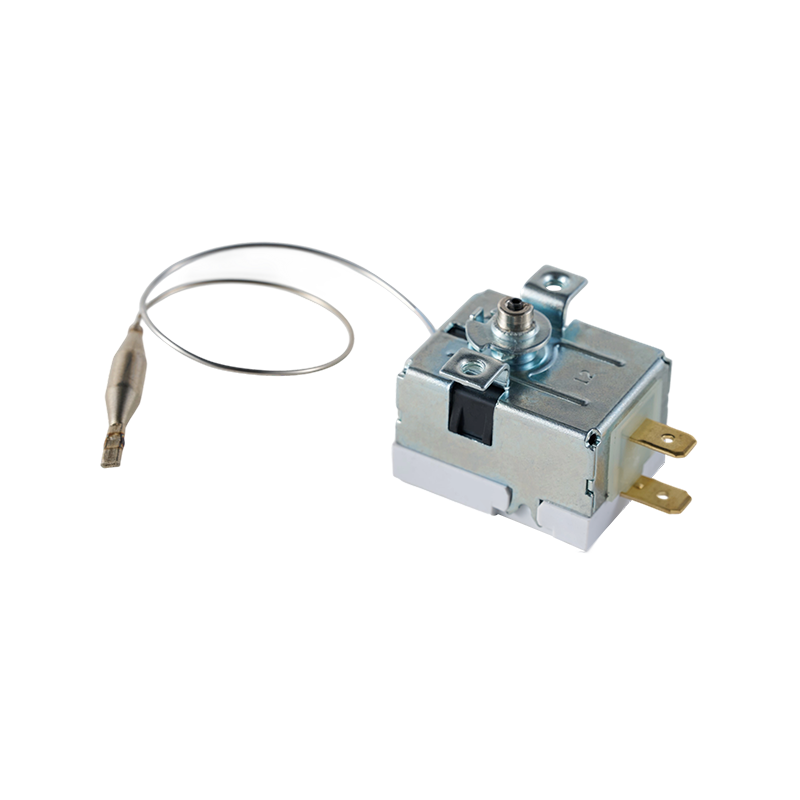
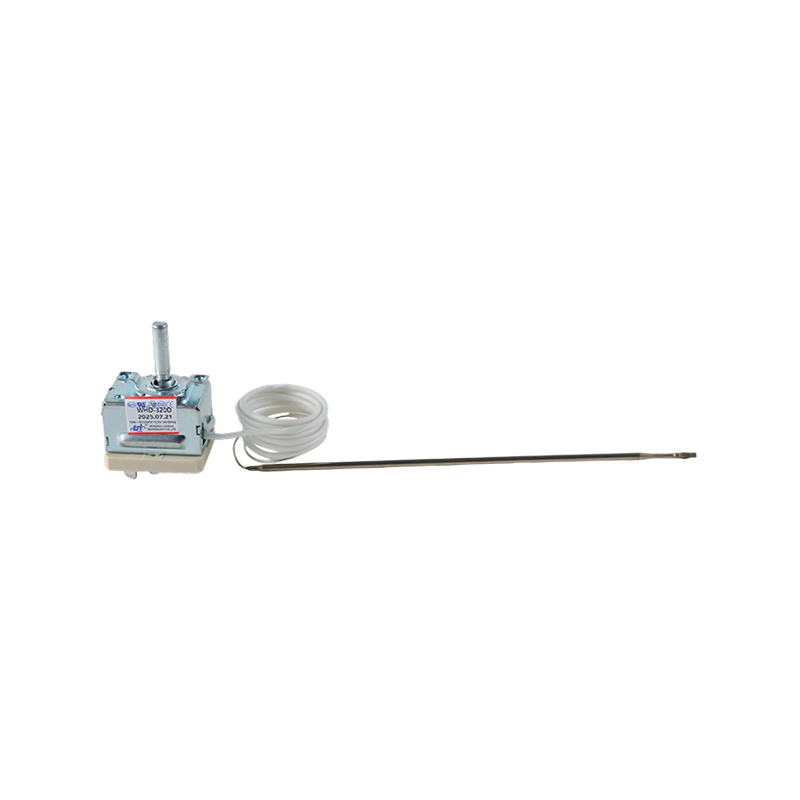
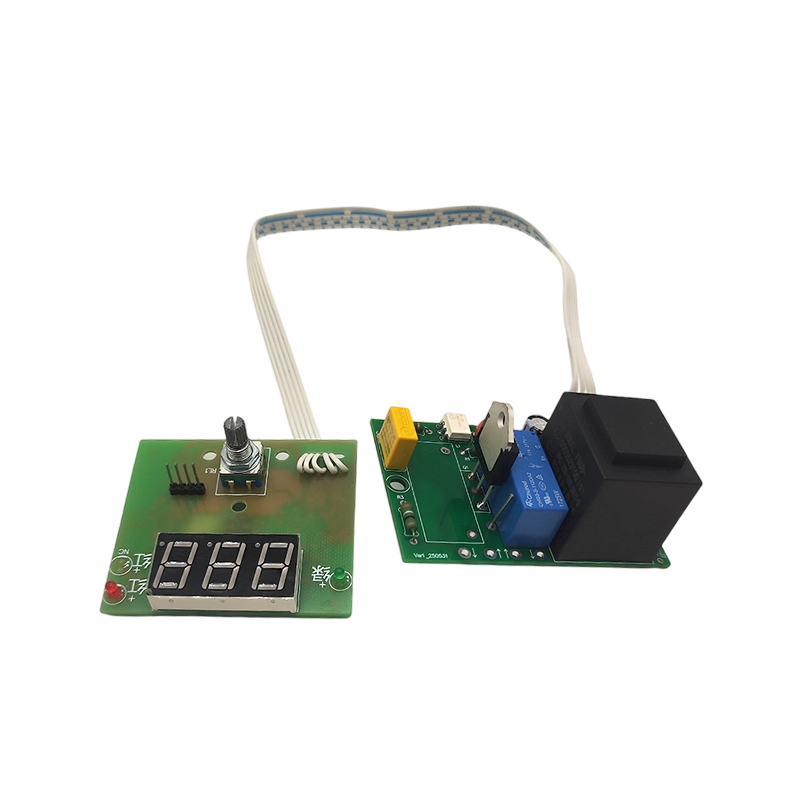
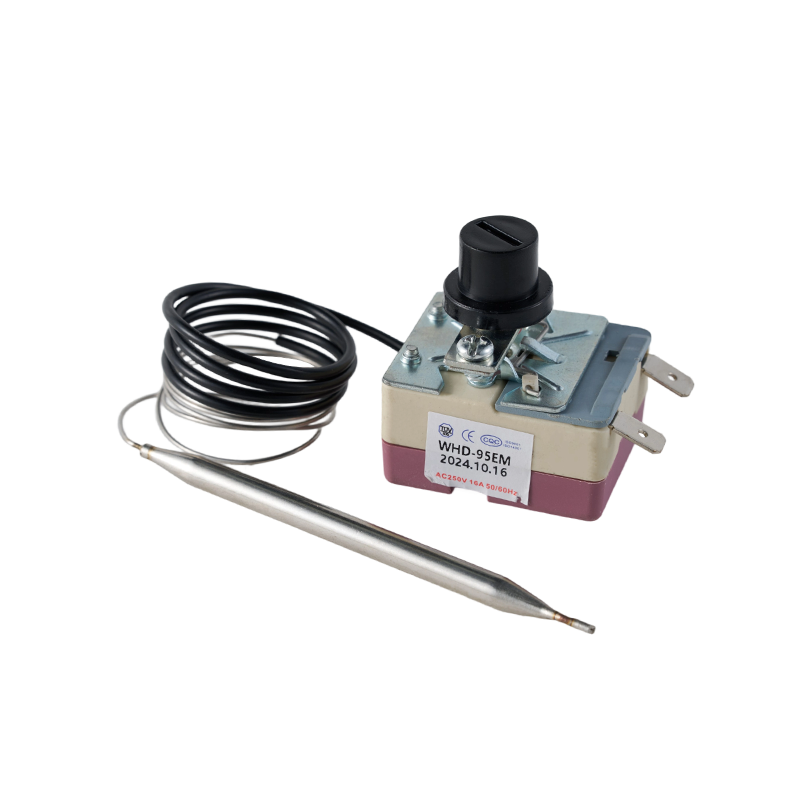
The WHD-CL80 is a reliable thermostat designed specifically for buffet stoves. It precisel...
SEARCH
CATEGORY
Temperature Thermostat
-

-
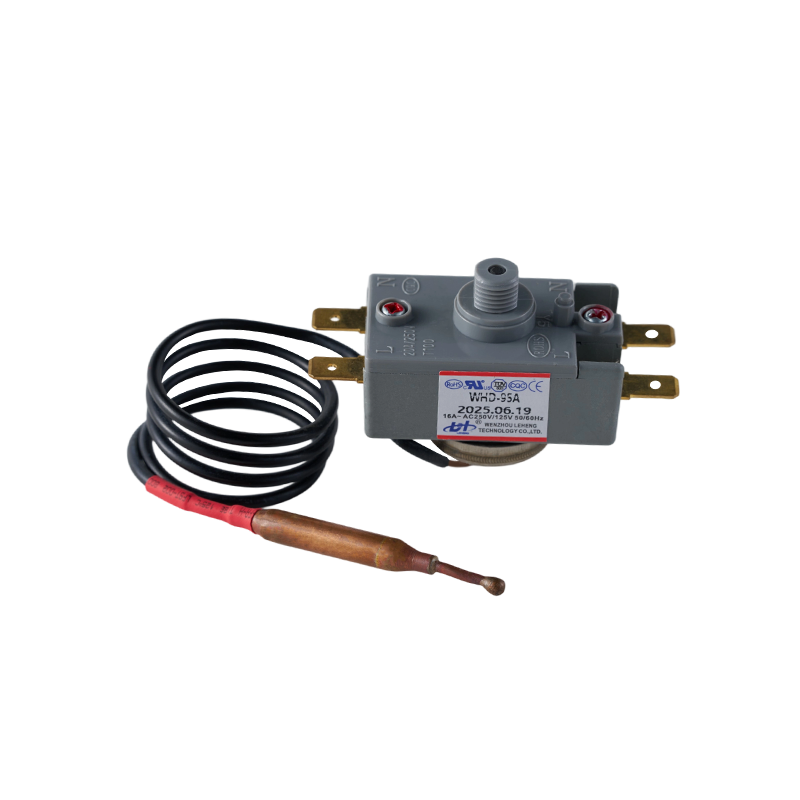 WHD-A (20A) Manual Reset Temperature Switch Thermostat
The WHD-A (20A) manual reset temperature switch thermostat is a crucial device for tempera...
-
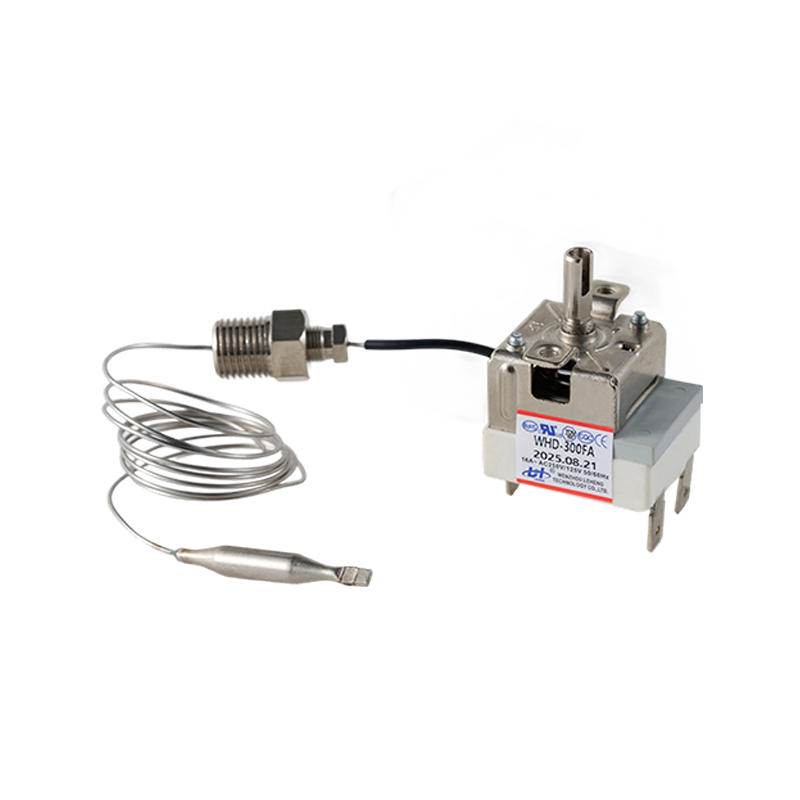 WHD-FA Adjustable Stainless Steel Tube Capillary Thermostat
WHD-FA ADJUSTABLE STAINLESS STEEL TUBE CAPILLARY THERMOSTATWHD-FA series capillary thermos...
-
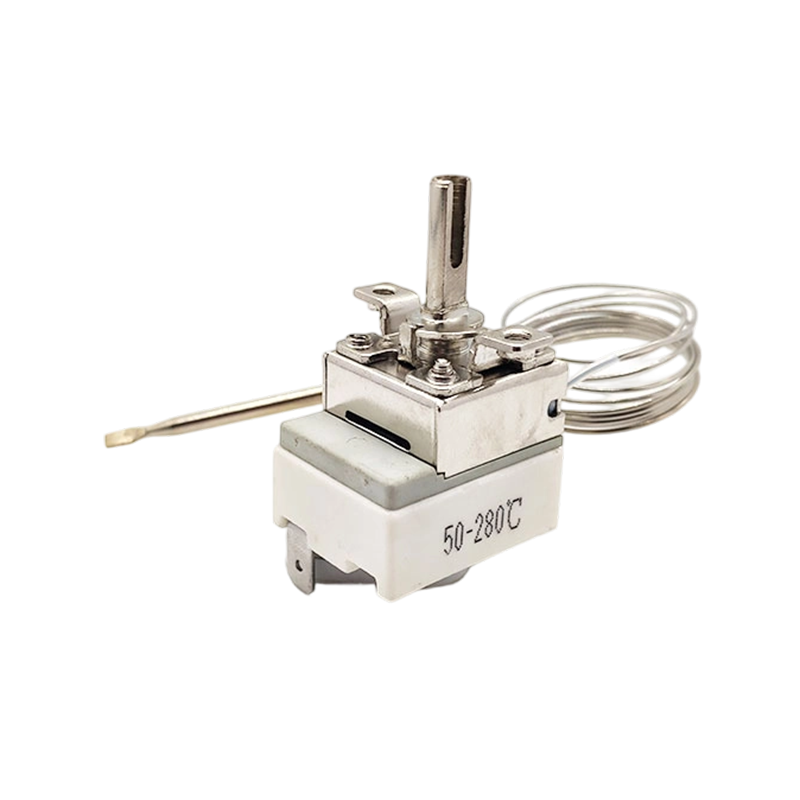 WHD-FC Electric Parts Thermostat
The WHD-FC electric component thermostat is designed for precise temperature regulation in...
-
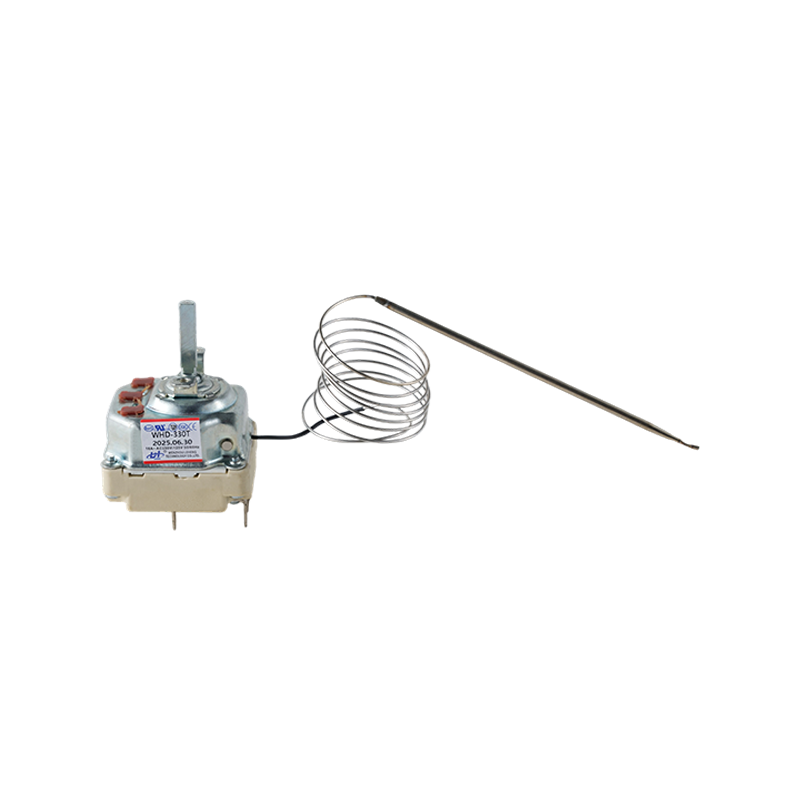 WHD-T (3 Phase) Three-Phase Electric High Temperature Thermostat
The WHD-T(3 Phase) high-temperature thermostat is built for industrial and commercial appl...
-
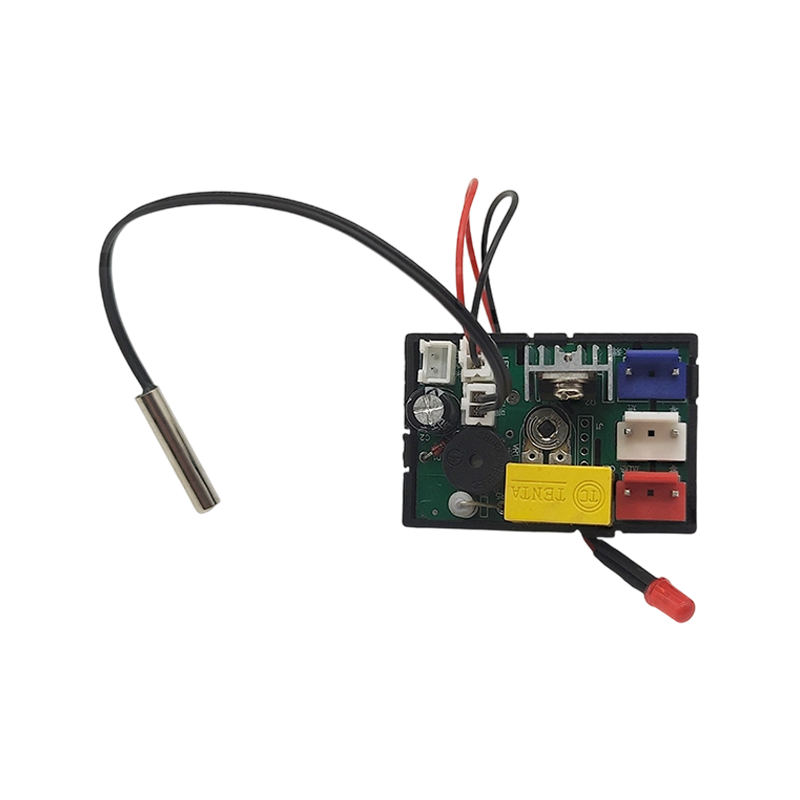 WHD-ST65-DZ Water Heating Blanket Integrated Thermostat
The WHD-ST65-DZ water-heating blanket integrated thermostat is a high-performance intellig...
-
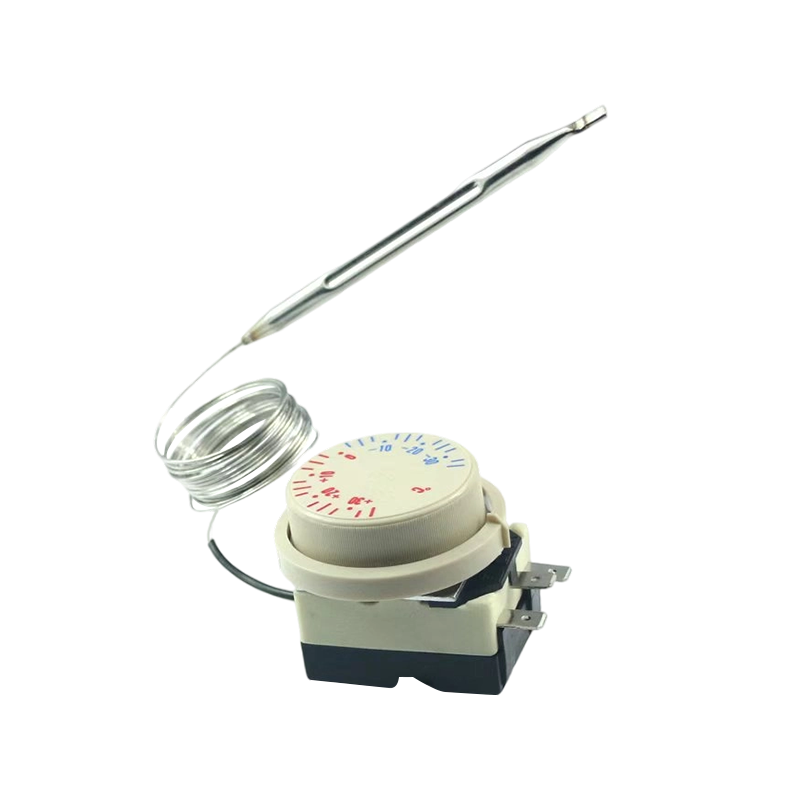 WHD-711 Adjustable Temperature Control Switch Refrigeration Thermostat
The WHD-711 adjustable thermostat is designed for cooling systems. It offers precise tempe...
-
 WHD-F2000 Adjustable Commercial Thermostat
The WHD-F2000 adjustable commercial thermostat is designed for versatile temperature contr...
-
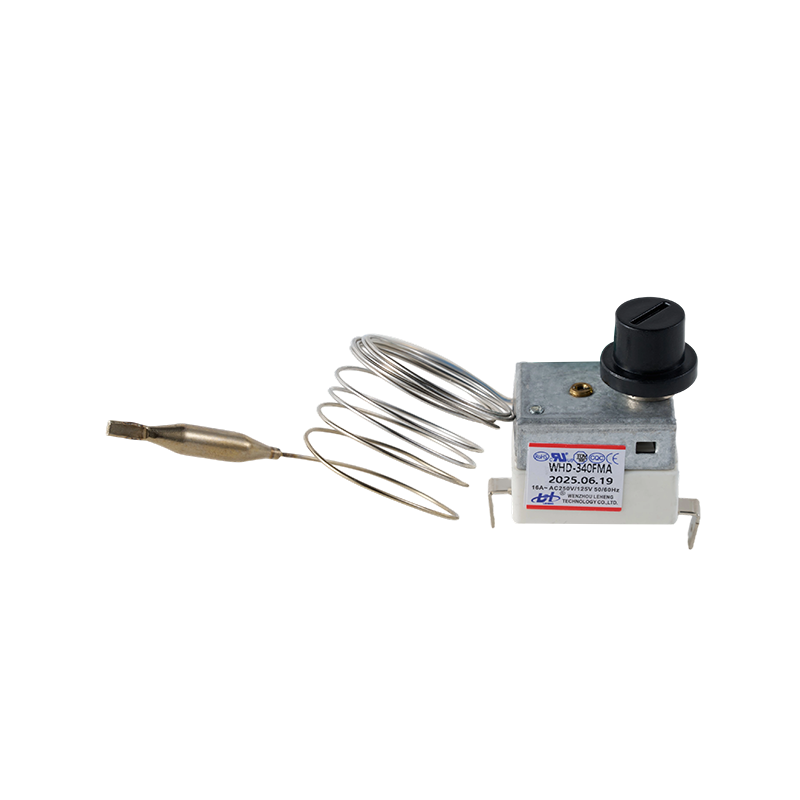 WHD-FMA Manual Reset Thermostat
The WHD-FMA manual reset thermostat is designed for reliable temperature control in variou...
-
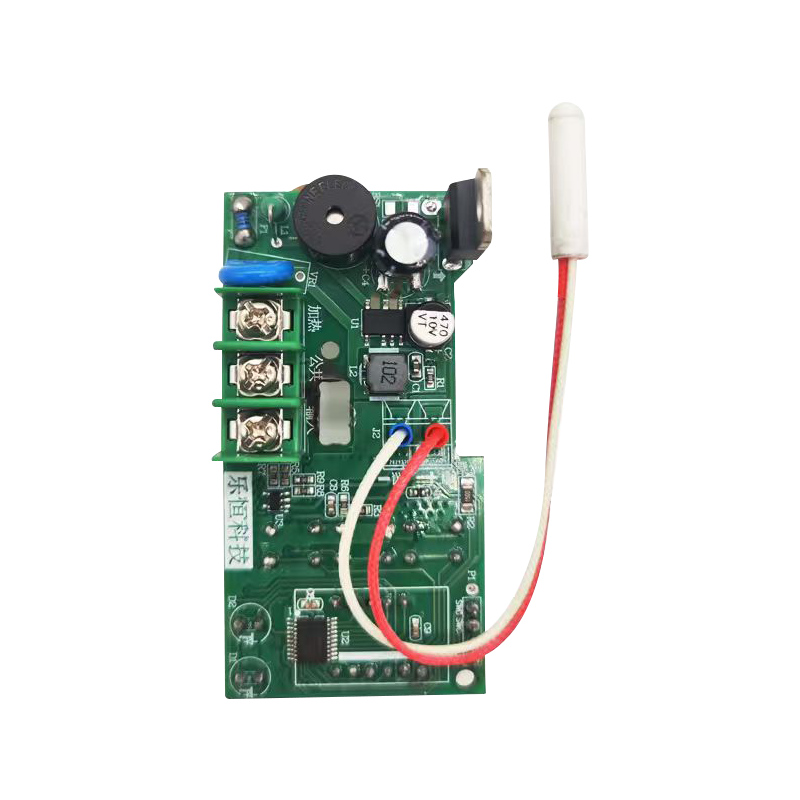 WHD-RQ350-XP Fuser Thermostatic Controller
The WHD-RQ350-XP thermostatic controller is designed specifically for hot melt adhesive ma...
-
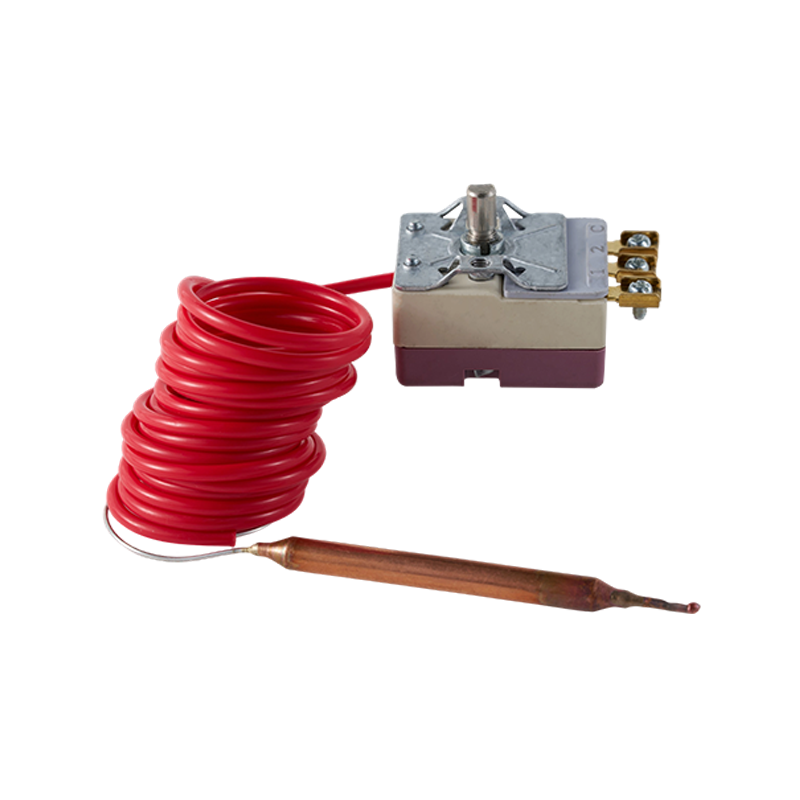 WHD-EA 3Contacts Mechanical Adjustable Copper Thermostat
WHD-EA mechanical 3 contacts adjustable capillary thermostat is a temperature control devi...
-
 WHD-B (25A) Heating Thermostat
The WHD-B(25A) heating thermostat is a reliable temperature control device. It provides pr...
About Us
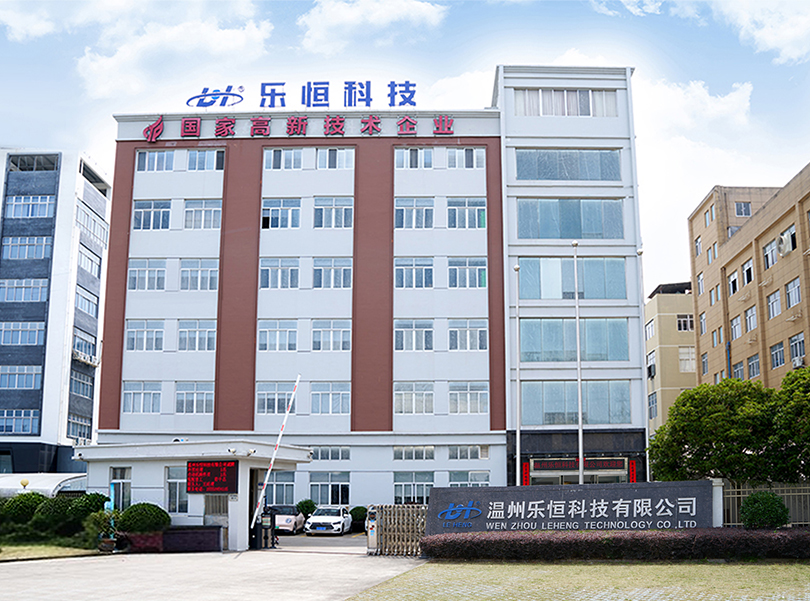
Wenzhou Leheng Technology Co., Ltd.
Wenzhou Leheng Technology Co., Ltd. established in 2012 is a reputable enterprise specializing in product development, manufacturing, and international sales. We professionally produce thermostats, limiters, rocker switches, and PCB thermostats.
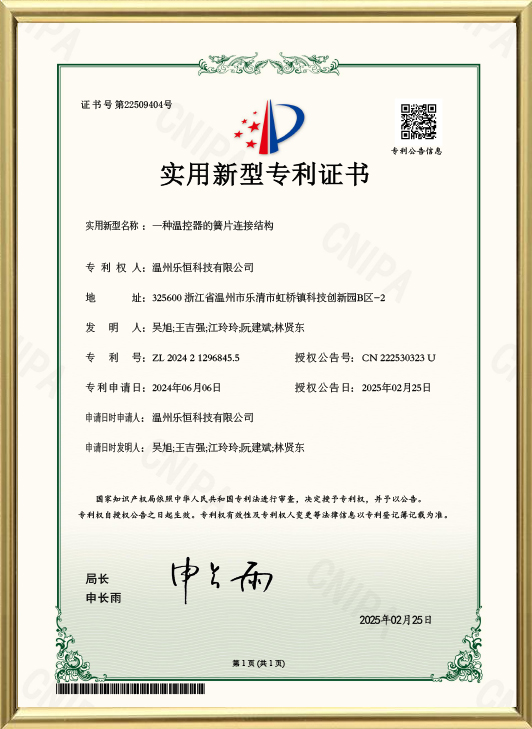
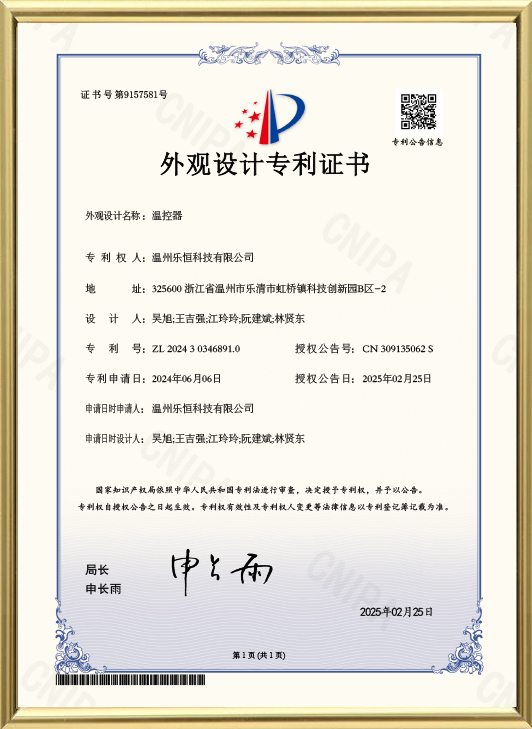
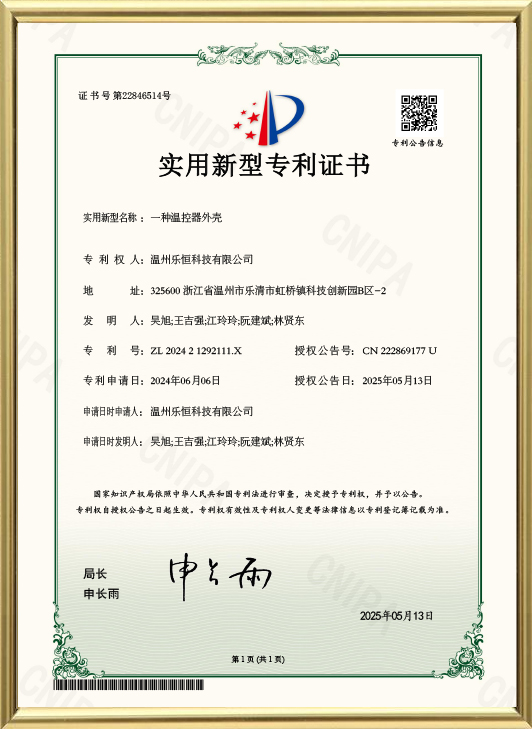
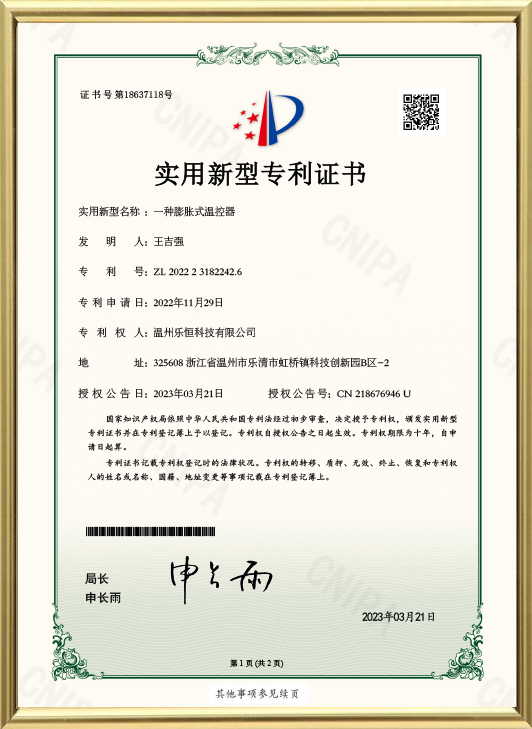
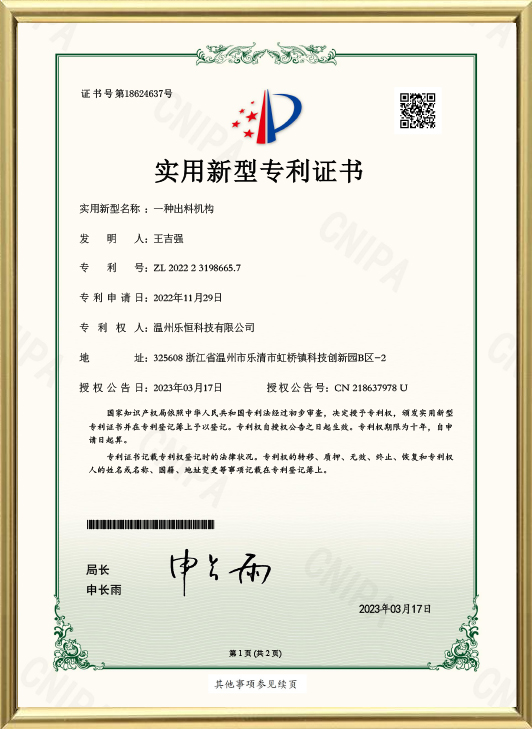
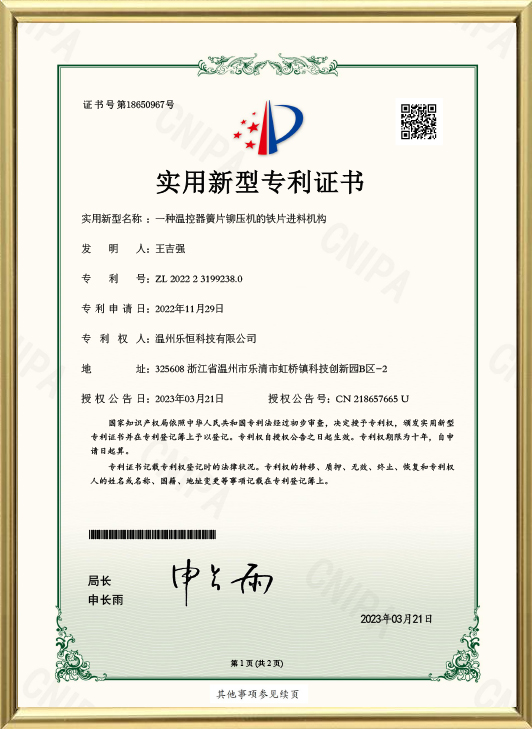
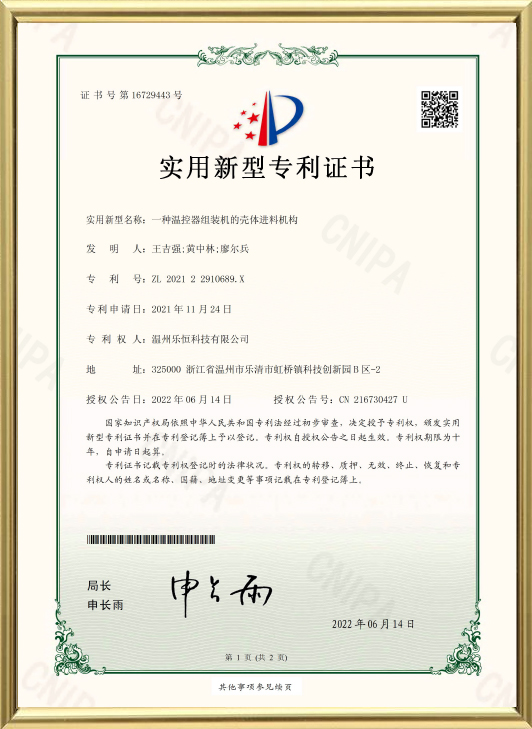
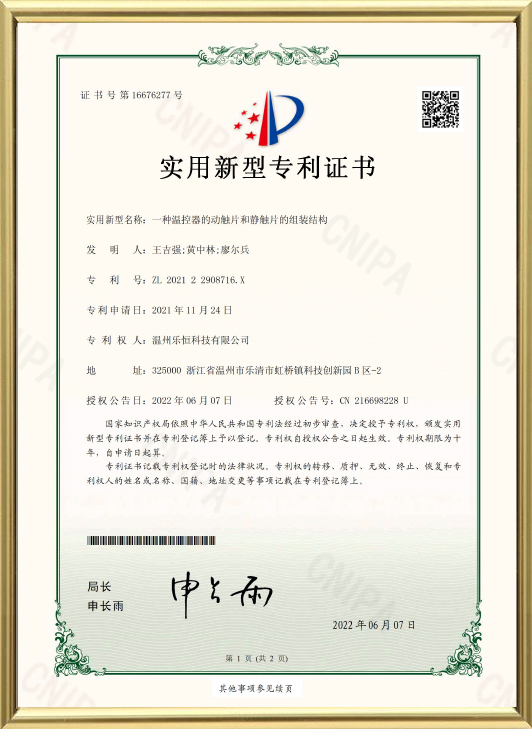
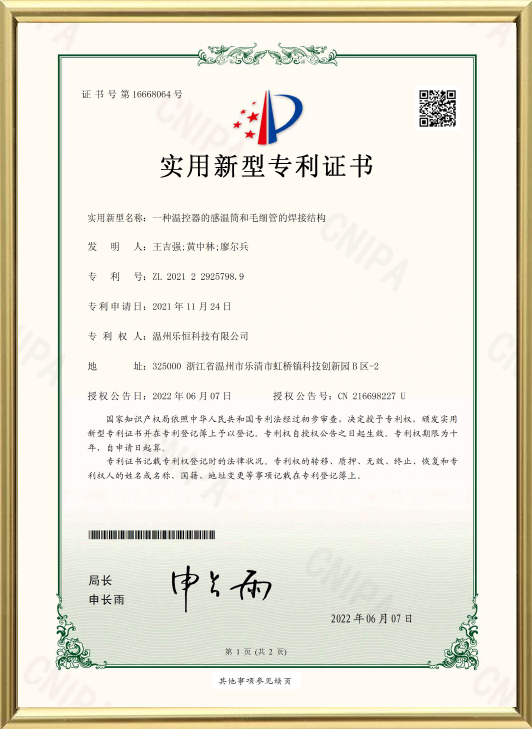
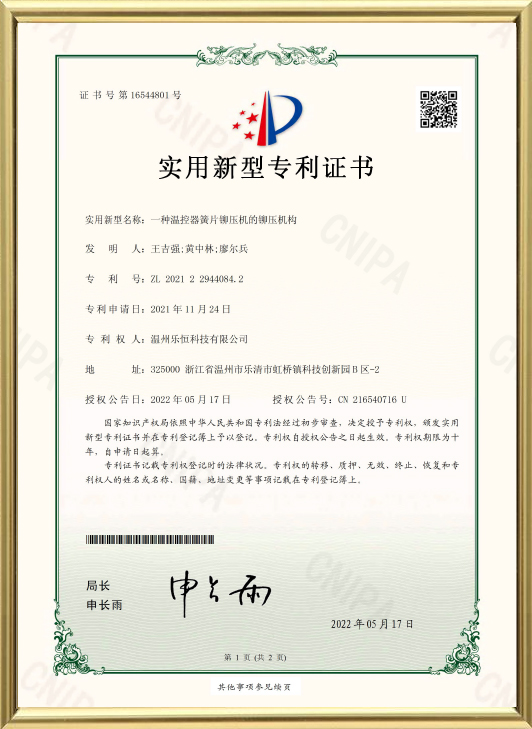
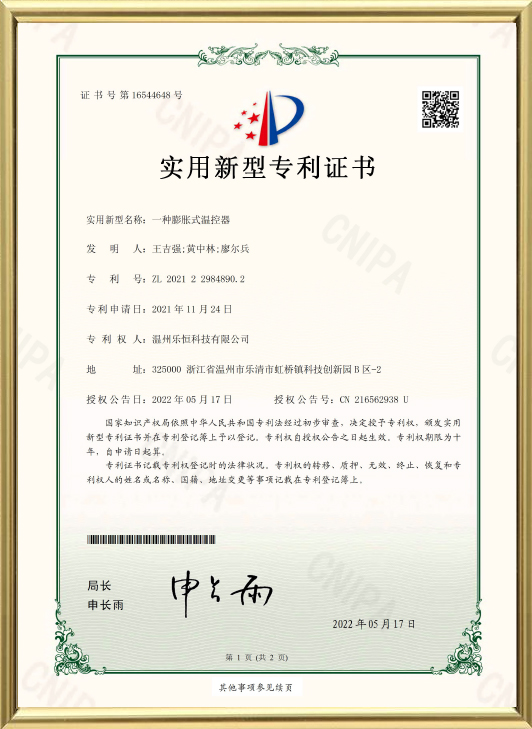
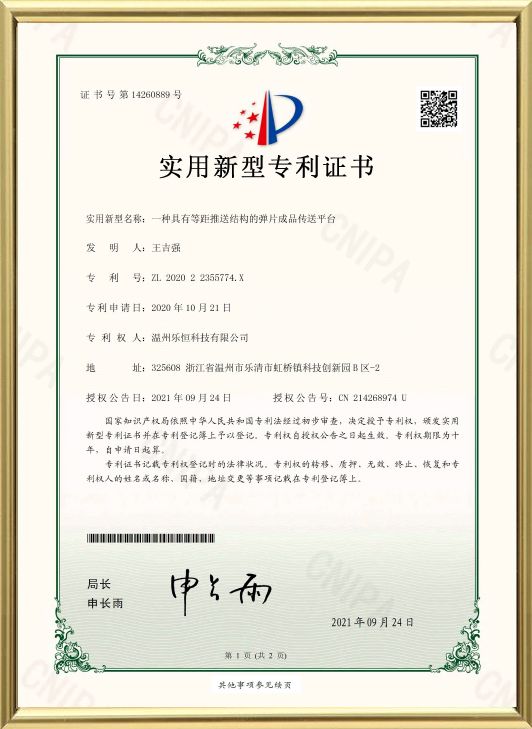
Our company has obtained certifications such as UL, TUV, CE, CQC, KC, RoHS, REACH, SGS, ISO 9001, and ISO 14001, along with multiple patents. We have participated in drafting and formulating national industry standards and have been repeatedly recognized as an innovative enterprise and a trustworthy contract-abiding company. In 2020, we were certified as a National High-Tech Enterprise.
Adopting an advanced systematic management model, we prioritize customer interests and maintain a highly capable team with skilled technical professionals. Upholding a people-oriented development philosophy, we strive to create a bright and comfortable working environment for our employees.
As one of the companies in China's thermostat industry with a notable number of automated equipment, we differentiate ourselves by utilizing optical inspection instruments for testing. Our standardized assembly lines and self-designed fully automated production equipment enable intelligent industrial control, ensuring end-to-end automation in assembly and testing. Strict quality control is implemented from the source components. Currently, our monthly production exceeds 1 million units, with an annual output surpassing 12 million+ units.
Our products are distributed across all domestic regions and exported to over 80 countries worldwide, including the United States, Turkey, Australia, India, Russia, Iran, Germany, Brazil, Mexico, South Africa, and Egypt. Thanks to our reliable products, professional sales service, and competitive pricing, we have earned widespread recognition from customers globally.
We sincerely look forward to cooperation with you to establish a long-term, stable partnership for mutual success.
Certificate
News
-
Spring has arrived, and all things are flourishing. Our resumption of work conference concluded successfully amidst enthusiasm and focus, marking the official start of a new journey in 2026. Returning...
READ MORE -
A limit thermostat is a crucial safety component found inside furnace systems, designed to monitor internal heat levels and prevent overheating. Within a furnace, the limit thermostat helps maintain s...
READ MORE -
A limit thermostat and a normal thermostat are both temperature-related components found in heating systems, but their responsibilities are very different. The limit thermostat focuses on safety prote...
READ MORE -
A limit thermostat is often mentioned alongside standard temperature controllers, yet the two devices serve very different purposes within heating systems. The limit thermostat operates as a protectiv...
READ MORE -
A limit thermostat plays a critical role in heating systems by monitoring internal temperatures and acting as a safety control when abnormal heat conditions occur. Unlike comfort-focused temperature c...
READ MORE
Message Feedback
Industry knowledge
Thermoreats play a central role in modern temperature-regulation systems used across residential, commercial, and industrial environments. As demand for precise thermal management increases, various thermoreat types—including Control Thermoreats, Safety Thermoreats, and Thermoreat Temperature Controllers—have evolved to address different functional needs.
Overview of Thermoreat Technology
A thermoreat is a device designed to monitor temperature and trigger a control action—typically activating or shutting down heating or cooling components—when a preset threshold is reached. Thermoreats help maintain stable operating conditions, improve system efficiency, and protect equipment from damage caused by excessive temperatures.
Modern thermoreats come in numerous configurations, ranging from simple mechanical units to advanced electronic controllers with programmable settings. Across industries, these devices contribute to increased reliability, operational consistency, and energy management.
Control Thermoreat: Function and Industry Role
A Control Thermoreat regulates temperature by automatically switching equipment on or off based on a user-defined setpoint. These thermoreats maintain consistent environmental or component temperatures and are widely used in appliances, HVAC systems, industrial machinery, and laboratory equipment.
Operating Principle
Control Thermoreats commonly rely on components such as:
- Bimetallic elements
Mechanical bending caused by temperature change activates contacts.
- Capillary systems
A temperature-responsive fluid expands or contracts, manipulating a switch.
- Electronic sensors (NTC, RTD, thermistor)
Provide precise resistance changes interpreted by electronic controls.
Key Features of Control Thermoreats
| Feature Category | Description |
| Adjustment Capability | Users can set target temperature ranges. |
| Switching Method | Mechanical or electronic switching depending on design. |
| Reaction Speed | Moderate to high response depending on sensing element. |
| Durability | Designed for repeated cycling in heating/cooling systems. |
Applications
Control Thermoreats ensure stable operational temperatures in:
- Household appliances
- Environmental control chambers
- Food-service equipment
- Fan heaters and cooling systems
- Industrial ovens and dryers
Their primary goal is maintaining a consistent temperature rather than enforcing safety limits.
Safety Thermoreat: Protection-Focused Temperature Control
A Safety Thermoreat is a protective device designed to prevent overheating. Unlike Control Thermoreats, their setpoint is typically fixed or inaccessible to end users, ensuring consistent protective performance.
Operating Principle
Safety Thermoreats function as a failsafe mechanism. If the temperature exceeds a predefined limit, the thermoreat interrupts the power supply to critical components. This prevents risks such as equipment failure or material degradation.
Key Features of Safety Thermoreats
| Feature Category | Description |
| Fixed Setpoint | Temperature limit defined by design, not user adjustable. |
| Fail-Safe Design | Prioritizes interruption of power during abnormal heat rise. |
| Reset Method | Automatic reset or manual reset depending on model. |
| Robust Construction | Designed for high-temperature resistance and reliability. |
Applications
Safety Thermoreats are essential in systems where overheating can cause significant damage. Common applications include:
- Heating equipment
- Industrial process machinery
- Water boilers and electric heaters
- Thermal protection in motors and electronics
- Commercial kitchen appliances
These thermoreats focus on preventing over-temperature events rather than regular temperature regulation.
Thermoreat Temperature Controller: Precision and Programmability
A Thermoreat Temperature Controller offers advanced control capabilities beyond basic on/off switching. These devices often incorporate digital interfaces, sensors, relay outputs, and logic algorithms for accurate thermal management.
Operating Principle
Thermoreat Temperature Controllers collect sensor data and process it through a control algorithm. Popular control strategies include:
On/Off Control – Simple binary switching
- Proportional Control – Output varies based on deviation from setpoint
- PID Regulation – Balances proportional, integral, and derivative input for smooth, precise control
Key Features of Temperature Controllers
| Feature Category | Description |
| Programmable Settings | Users can define heating/cooling modes and temperature profiles. |
| Display Interface | Digital readout for easy monitoring and adjustment. |
| Sensor Compatibility | Supports various input types such as thermocouples, RTDs, and NTC sensors. |
| Accuracy | Provides stable and precise temperature maintenance. |
| Multi-Stage Output | Can control multiple heating or cooling stages. |
Applications
Thermoreat Temperature Controllers are used in environments needing precise and adjustable thermal regulation:
- Industrial manufacturing processes
- Environmental simulation equipment
- Smart building systems
- Cold-chain logistics
- Laboratory and medical devices
- Automated agricultural systems
Their flexibility and accuracy make them suitable for advanced process control.
Differences Between Control Thermoreat, Safety Thermoreat, and Temperature Controller
The following table highlights the distinctions among the three thermoreat types:
| Category | Control Thermoreat | Safety Thermoreat | Temperature Controller |
| Primary Purpose | Regulation | Over-temperature protection | Precision control |
| Adjustability | Adjustable | Usually fixed | Highly programmable |
| Safety Function | Secondary | Primary | Integrated but varies |
| Typical Output | Simple on/off | Power interruption | Relay / logic-driven |
| Complexity Level | Moderate | Low | High |
| Common Use Cases | HVAC, appliances | Heaters, motors | Industrial equipment, smart systems |
Understanding these differences helps ensure correct device selection based on system requirements.
Industry Trends in Thermoreat Technology
Thermoreat technology continues to evolve due to industrial automation and energy-efficiency demands. Several notable trends include:
- Shift Toward Digital Control
Digital controllers are increasingly replacing mechanical thermoreats due to high accuracy, access to data logging, and compatibility with advanced sensors.
- Integration With Monitoring Systems
Linked thermoreat controllers provide remote status monitoring and operational insights, which assists in preventive maintenance and operational planning.
- Emphasis on Safety and Compliance
Manufacturers design thermoreats that meet stringent safety and operational standards in various global markets.
- Improved Material and Sensor Technology
Thermoreats now use more durable materials and sensors capable of reliable performance across a wider temperature range.
Key Factors in Selecting a Thermoreat for Industrial and Commercial Use
To choose the appropriate thermoreat, consider several important criteria:
- Temperature Range Requirements
Assess the small and big operational temperatures to ensure proper compatibility with the application.
- Control Accuracy
Applications requiring precise tolerance should opt for advanced Temperature Controllers.
- Environment and Installation Conditions
Factors such as humidity, vibration, insulation class, and mounting design must align with the chosen thermoreat specifications.
- Safety Mechanisms Needed
Systems prone to overheating should incorporate Safety Thermoreats to reduce risk.
- Electrical Compatibility
Voltage, current rating, and switching capacity must be matched to the controlled device.
- Reset Function Preferences
Automatic versus manual reset options impact usability and recovery procedures.
Thermoreats serve an integral role in managing temperature across a diverse range of applications. Control Thermoreats maintain consistent operating conditions, Safety Thermoreats protect against excessive temperatures, and Thermoreat Temperature Controllers deliver high-precision programmable control.
PLEASE LEAVE YOUR SPECIFIC REQUIREMENT

QUICK LINKS
PRODUCTS
CONTACT
-
+86-15957748531
+86-15558959105
+86-18583671075
+86-18815077137 -
jilly@wzleh.com
east@wzleh.com
scott@wzleh.com
alan@wzleh.com
ADDRESS
- STI Park #B-2, Hongqiao Yueqing City, Zhejiang, China, 325608


Safety Thermostat Manufacturer
Copyright © Wenzhou Leheng Technology Co., Ltd. All Rights Reserved.