


 English
 Türk
Türk русский
 한국어
한국어 Deutsch
 日本語
日本語 dansk
dansk Français
WHD-E copper adjustable copper capillary thermostat is a mechanical temperature regulating devic...
Thermostat For Oven Systems: Understanding the 320°C Limit
Most oven heating systems already have something governing their temperature. What they don't always have is something that stops that governor from being wrong. A fuse in an electrical circuit doesn't manage current the way a thermostat does — it just refuses to let things go past a point where damage starts. The WHD-H2 320-degree heating temperature limiter works on that same logic, and it's worth separating what it does from what an ordinary thermostat for oven or similar heating equipment already does before assuming the two are interchangeable.
Where the Limiter Sits in the System
A thermostat for oven applications typically has two layers of temperature control: a primary regulator that cycles the heat on and off around a target, and a limiter that only activates if that primary control fails or a process runs hotter than planned. The WHD-H2 belongs firmly in the second category. It isn't meant to be adjusted during normal operation the way a working thermostat is — its 320°C setting is a fixed ceiling, not a target to hover near. That distinction matters when specifying equipment: a thermostat for oven use that's doing double duty as both regulator and limiter is a different product entirely from one built only to cut power once a hard limit is crossed.
Reading the 0–320°C Spec Correctly
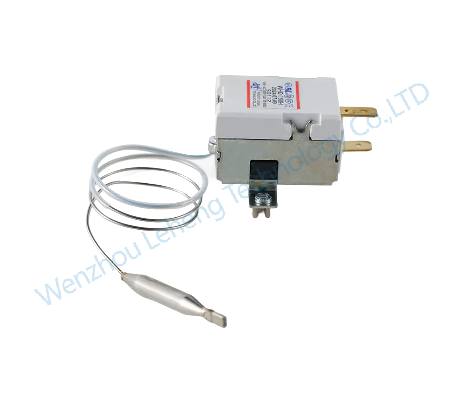
The WHD-H2's published range, 0–320°C, can be misleading if read as an operating band rather than a ceiling paired with a reset differential. The on-off temperature difference of 2–12°C is the number that actually determines how the unit behaves after it trips — a narrower differential resets sooner once the equipment cools, a wider one holds the circuit open longer. For a thermostat for oven or industrial heating layout where downtime after a trip has real cost, that differential is worth checking as closely as the 320°C figure itself, since two units with an identical limit can behave very differently once they've actually tripped.
Capillary Length as an Installation Constraint
Because this limiter senses temperature through a copper bulb connected by capillary tube rather than a wired sensor, physical placement becomes a real design constraint. The bulb measures 6mm in diameter, with its length varying by temperature range, while the capillary tube itself is available from 300mm up to 2000mm. That's an unusually broad span for a single product line, and it exists because a thermostat for oven or melting-equipment installation often needs the sensing point positioned somewhere the control head can't reach directly. Ordering the wrong capillary length either forces an awkward bend that stresses the tube over time, or leaves the bulb short of the spot it's actually supposed to monitor.
Electrical Rating and Where It's Deployed
The WHD-H2 carries an AC16A, 250V rating and a maximum resistance temperature of T125. Its listed applications — sealing machines, PPR pipe production equipment, and melting machines — sit alongside oven heating systems, which the naming of this thermostat for oven limiter already points to. The common thread across sealing, PPR extrusion, melting, and oven heating is a process where the heat source needs an upper boundary enforced independently of whatever primary control is already running the show.
The Real Test of a Good Match
Whether 320°C is the right ceiling for a given piece of equipment is usually the easy question to answer. The harder one is whether the differential, bulb length, and capillary length line up with how that specific machine is built and how fast it cools after a trip. Athermostat for oven or related high-heat system only earns its place as a safety feature when those installation details are matched correctly — otherwise it's just a number on a spec sheet that happens to be high enough.
OUR PRODUCTS
Recommended Products
-
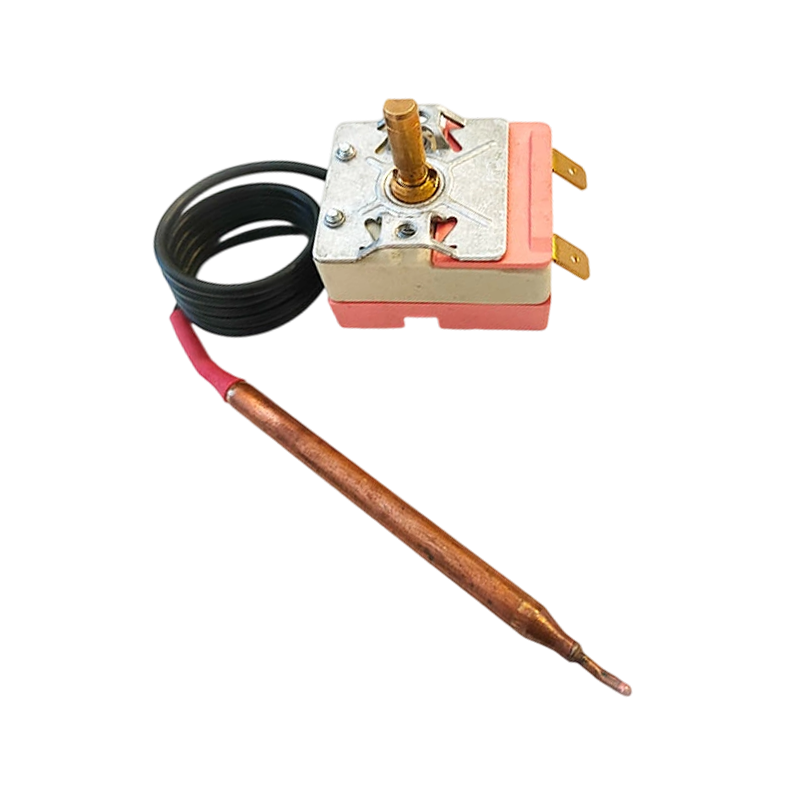
 WHD-E-CU Copper Adjustable Capillary Temperature Controller
 -
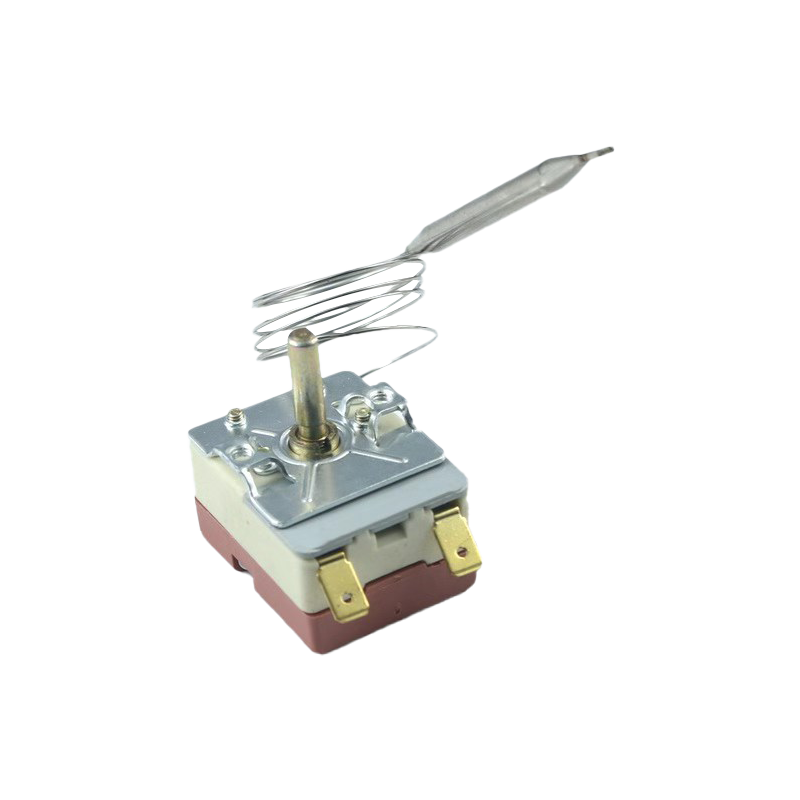 Stainless Steel Adjustable Capillary Temperature Controller
The stainless steel adjustable capillary thermostat is a mechanical temperature regulating devic...
-
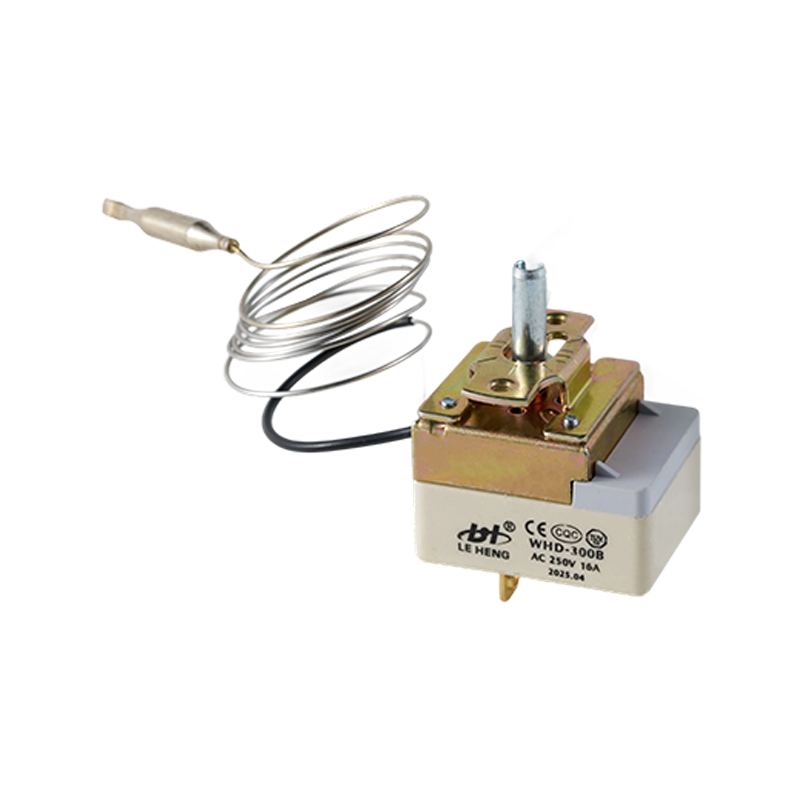 WHD-B(16A/25A) Adjustable Temperature Mechanical Capillary Thermostat
WHD-B(16A/25A) Adjustable Temperature Mechanical Capillary Thermostat is specially designed for ...
-
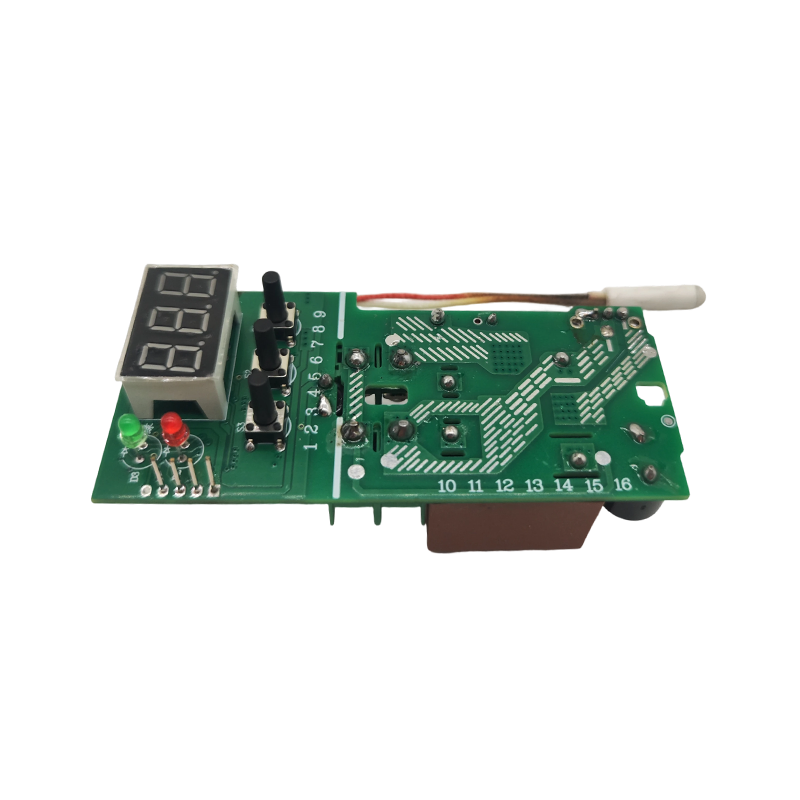 WHD-RQ400-BY Digital Display Thermostatic Controller
The WHD-RQ400-BY digital thermostat is an intelligent control device designed specifically for h...
-
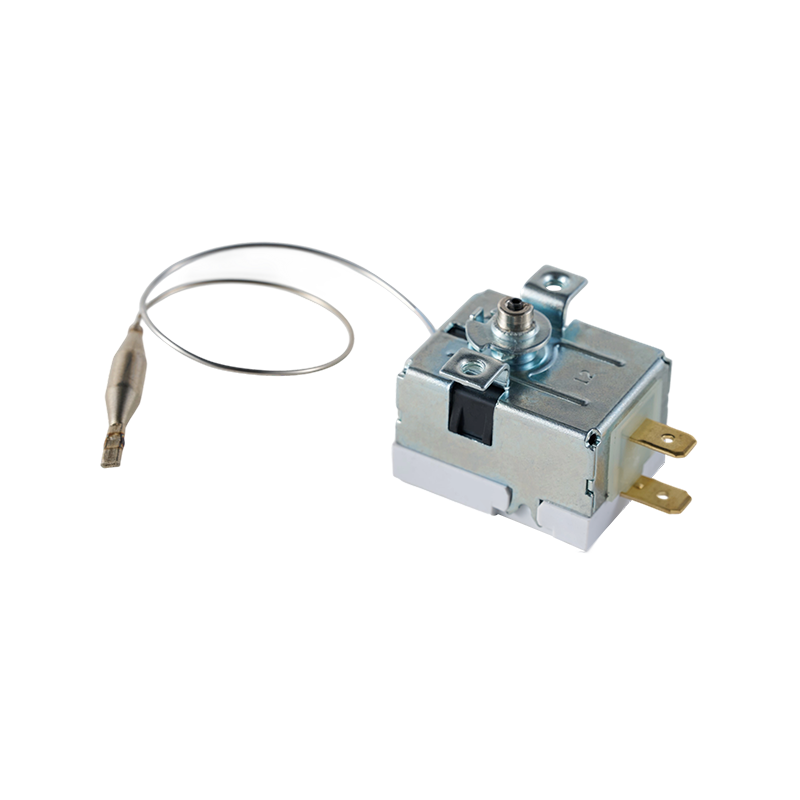 WHD-H2 320 Degree Oven Heating Temperature Limiter
The WHD-H2 oven heating limiter is designed for precise temperature control, with a maximum limi...
-
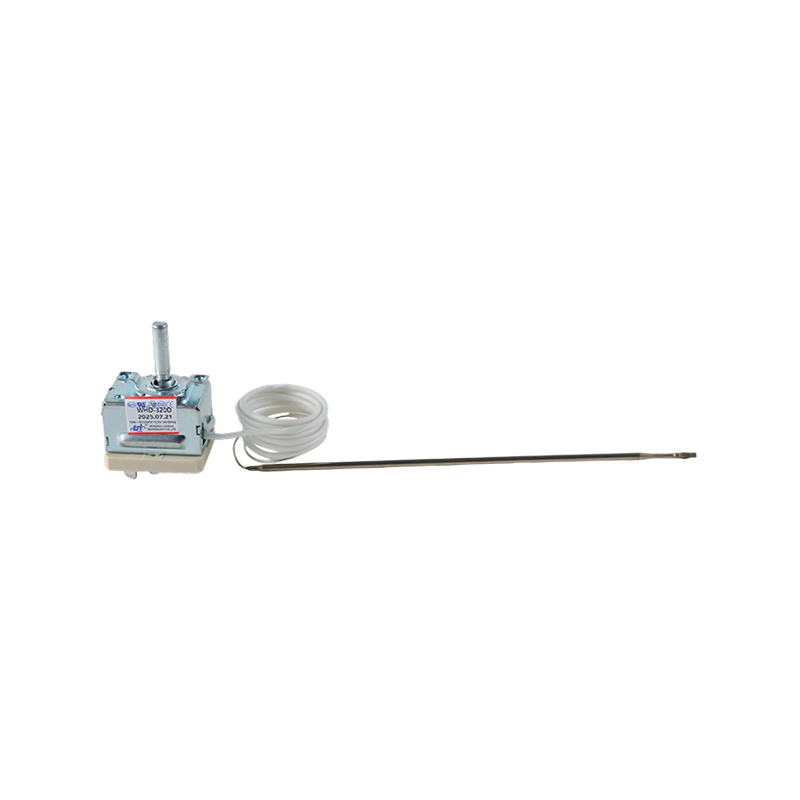 WHD-D Adjustable Mechanical Temperature Thermostat
The WHD-D adjustable mechanical thermostat offers reliable temperature control. It features a ma...
-
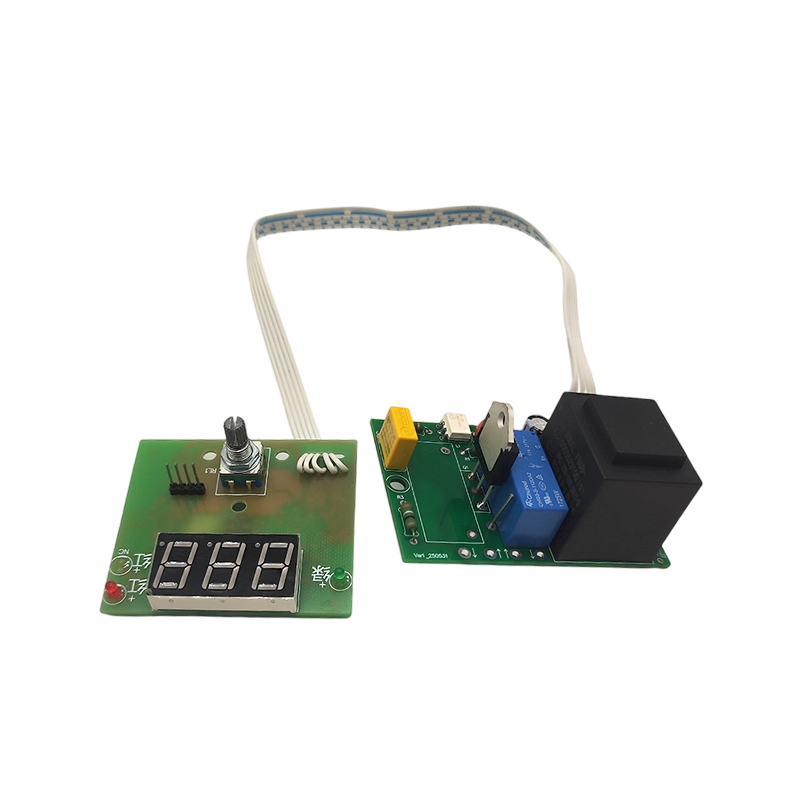 WHD-YL260 Oil Furnace Digital Thermostat
The WHD-YL260 oil furnace thermostat is an intelligent temperature control device designed speci...
-
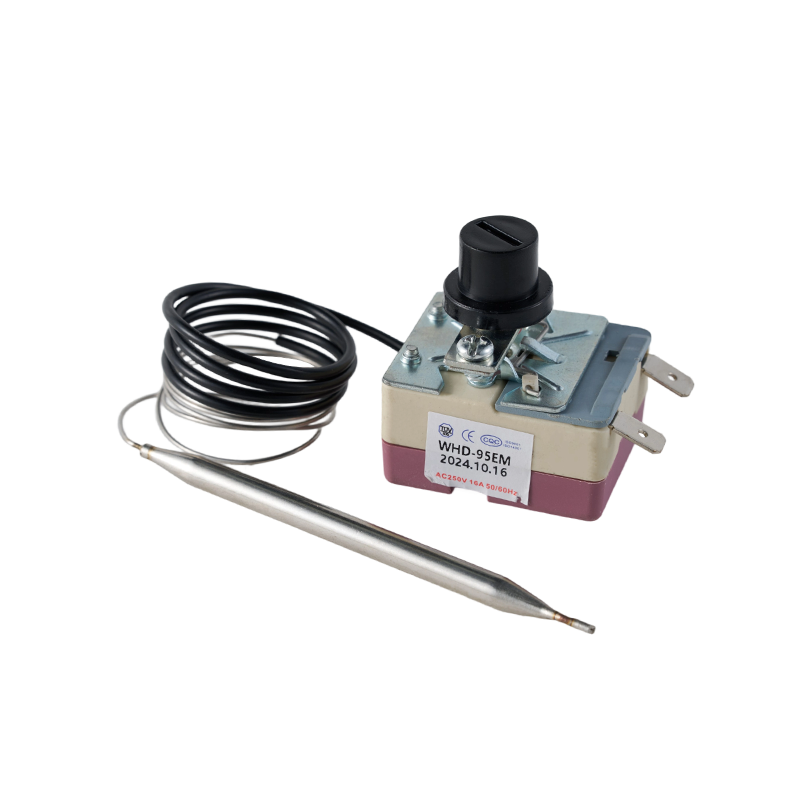 WHD-EM Limit Temperature Controller
The WHD-EM limit temperature controller is a highly reliable device for critical temperature mon...
PLEASE LEAVE YOUR SPECIFIC REQUIREMENT

QUICK LINKS
PRODUCTS
CONTACT
-
+86-15957748531
+86-15558959105
+86-19588099846
+86-18815077137 -
jilly@wzleh.com
east@wzleh.com
scott@wzleh.com
kim@wzleh.com
ADDRESS
- STI Park #B-2, Hongqiao Yueqing City, Zhejiang, China, 325608


Leheng Thermostat Factory
Copyright © Wenzhou Leheng Technology Co., Ltd. All Rights Reserved.