


 English
 Türk
Türk русский
 한국어
한국어 Deutsch
 日本語
日本語 dansk
dansk Français
WHD-E copper adjustable copper capillary thermostat is a mechanical temperature regulating devic...
How a Thermostat for Water Heater Holds Set Points?
A water heater doesn't fail because its heating element is weak — it fails, or wastes energy, when the temperature control governing that element isn't matched to how hot the water actually needs to be. That's the specific problem a copper capillary thermostat for water heater use is built to solve, and it's worth looking at how one common design handles it before assuming any adjustable thermostat will do the job.
A Mechanical Thermostat for Water Heater Circuits
The WHD-E-CU copper adjustable capillary temperature controller is mechanical rather than electronic. Inside it, a copper capillary tube and copper sensing bulb hold a liquid that responds directly to temperature change. As the liquid in the bulb expands or contracts, that physical movement trips a mechanical switch, opening or closing the circuit without any circuit board or sensor calibration involved. The appeal of this thermostat for water heater use is durability under repeated heating cycles — there's less that can drift out of calibration or fail electronically after years of daily switching.
Why the Range Stops at Fixed Points
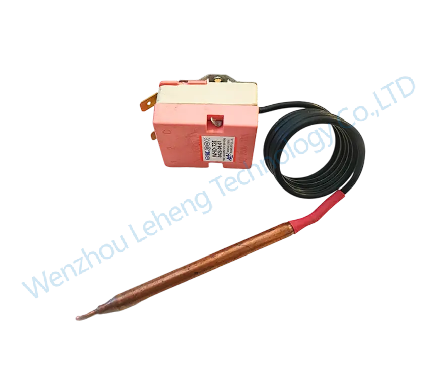
Where this thermostat for water heater application differs from a general-purpose mechanical thermostat is in how its range is presented. Rather than a single continuous scale, the adjustable range runs 30–75°C, with 70°C, 72°C and 73°C called out specifically as the settings suited to water heater use. That distinction matters in practice. A water heater doesn't need fine control across the full 30–75°C span so much as reliable accuracy at the handful of temperatures a household or commercial hot water system actually runs at. Anyone specifying a thermostat for water heater installation should confirm which of these fixed points matches the target output temperature, rather than assuming the full range performs identically at every setting.
Bulb and Capillary Sizing Affects Installation
The sensing bulb on this thermostat for water heater setup is 6mm in diameter, with bulb length varying according to the specific temperature range ordered, and the capillary tube runs 500–600mm. These dimensions decide where and how the unit can physically be mounted relative to the water tank — not how accurately it reads temperature. A bulb that's the right diameter but positioned somewhere that doesn't reflect actual tank temperature will still give a misleading reading, regardless of how precise the mechanism itself is. Anyone integrating this thermostat for water heater design should check bulb placement against the tank's actual thermal profile before finalizing the enclosure layout.
On-Off Differential and Load Rating
The switch differential — the gap between the temperature that opens the circuit and the temperature that closes it again — is 5°C on this thermostat for water heater component. A tighter differential means more frequent switching and closer temperature control; a wider one means fewer cycles but more temperature drift between them. For household water heaters, a 5°C differential is a reasonable middle ground between switch longevity and consistent water temperature. On the electrical side, this thermostat for water heater model is rated AC16A at 250V, with a maximum resistance temperature of T125. These figures are worth checking against the actual heating element load in a given water heater model, rather than assuming any 16A-rated thermostat is interchangeable across different tank sizes and wattages.
Matching the Thermostat to the Application
The core lesson with a thermostat for water heater application is that the temperature range on a spec sheet is only part of the picture. The switch differential, bulb dimensions, and specific fixed set points all interact with how a particular water heater is built and used. A thermostat rated for 30–75°C isn't automatically the right choice just because a target temperature falls somewhere inside that range. It becomes the right thermostat for water heater equipment when the fixed set points, bulb placement, and load rating all line up with the machine it's going into — which is really a reminder that reading past the headline range number is what separates a correct spec match from a coincidental one.
OUR PRODUCTS
Recommended Products
-
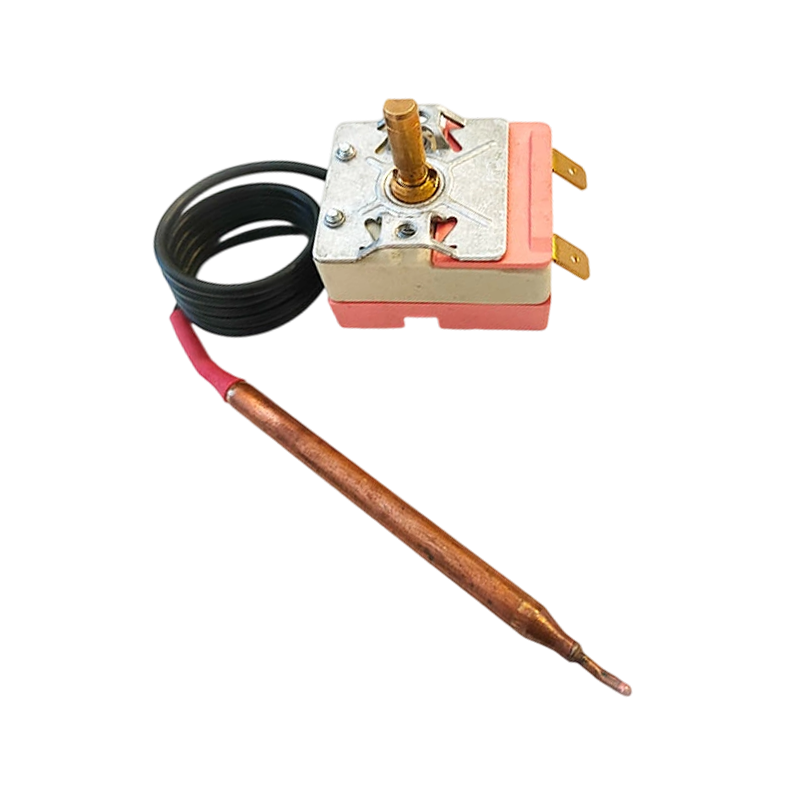
 WHD-E-CU Copper Adjustable Capillary Temperature Controller
 -
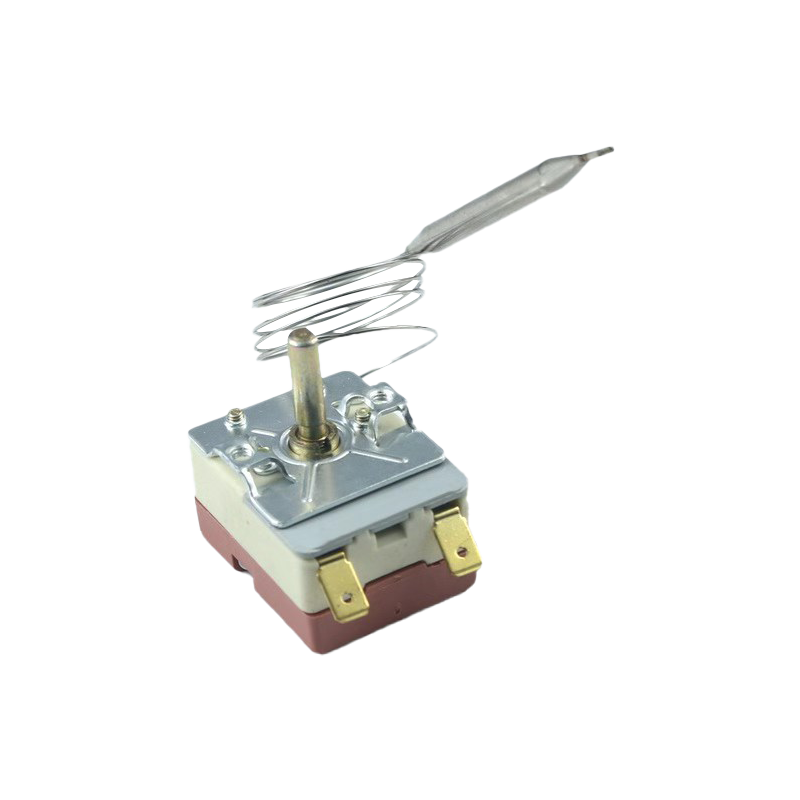 Stainless Steel Adjustable Capillary Temperature Controller
The stainless steel adjustable capillary thermostat is a mechanical temperature regulating devic...
-
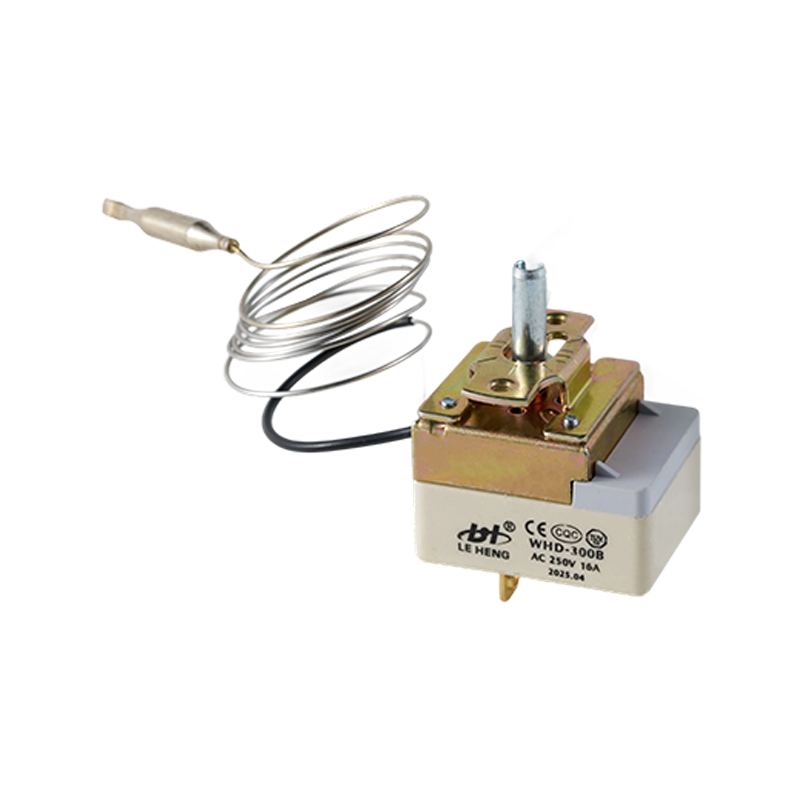 WHD-B(16A/25A) Adjustable Temperature Mechanical Capillary Thermostat
WHD-B(16A/25A) Adjustable Temperature Mechanical Capillary Thermostat is specially designed for ...
-
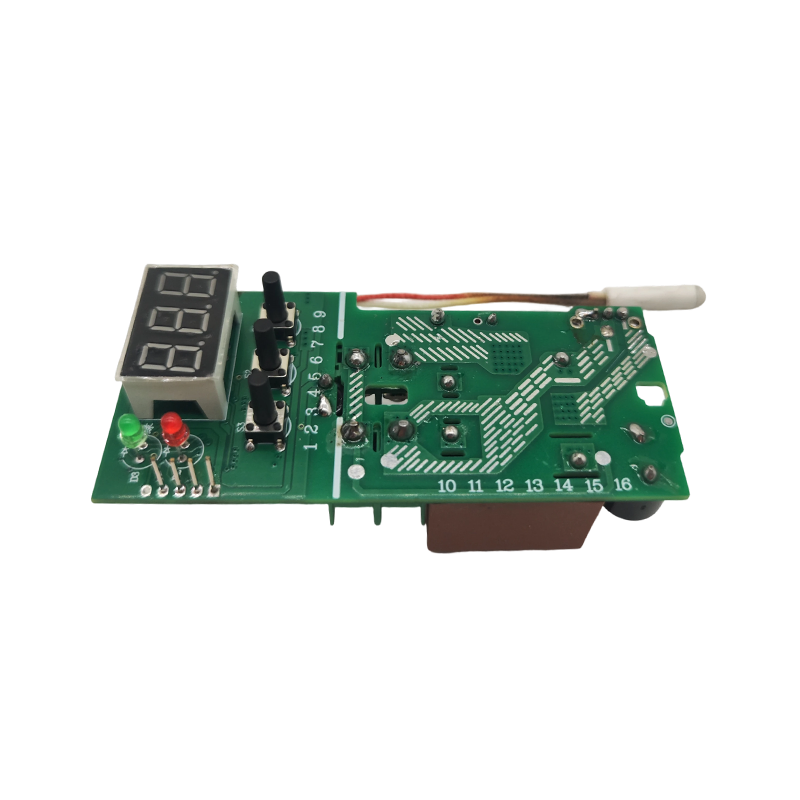 WHD-RQ400-BY Digital Display Thermostatic Controller
The WHD-RQ400-BY digital thermostat is an intelligent control device designed specifically for h...
-
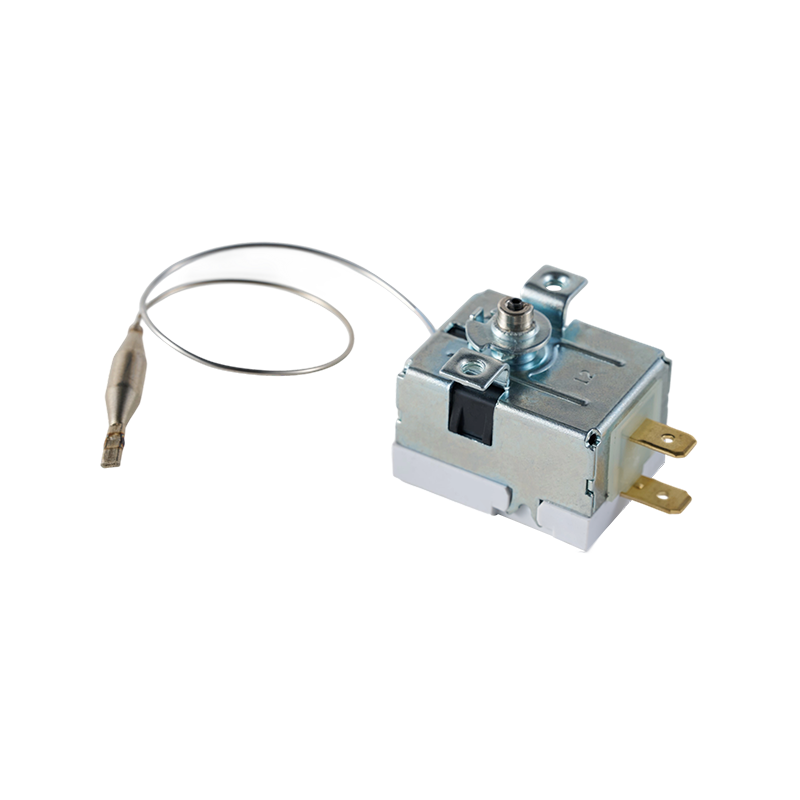 WHD-H2 320 Degree Oven Heating Temperature Limiter
The WHD-H2 oven heating limiter is designed for precise temperature control, with a maximum limi...
-
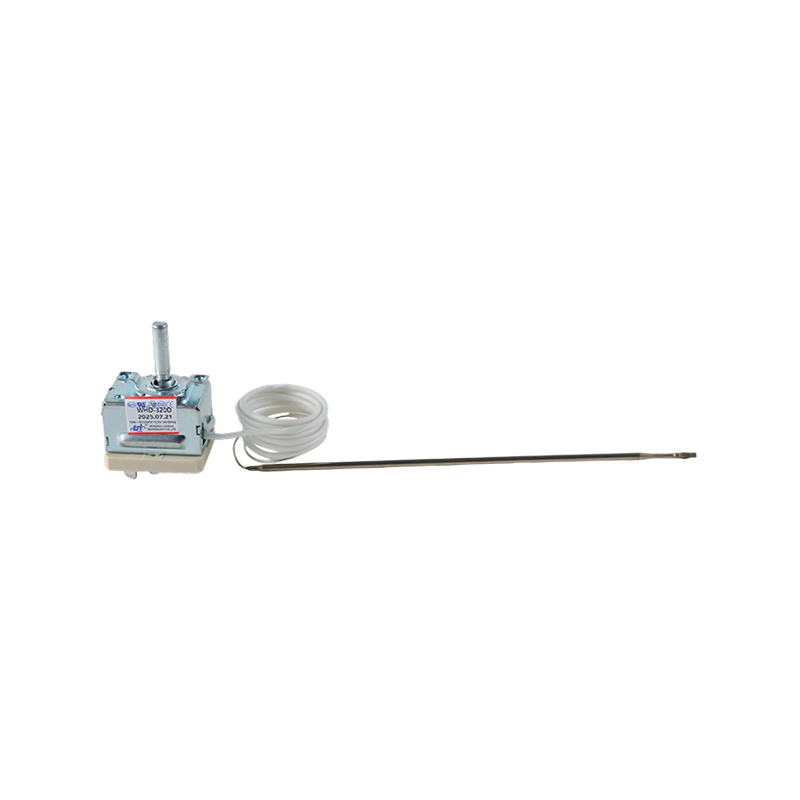 WHD-D Adjustable Mechanical Temperature Thermostat
The WHD-D adjustable mechanical thermostat offers reliable temperature control. It features a ma...
-
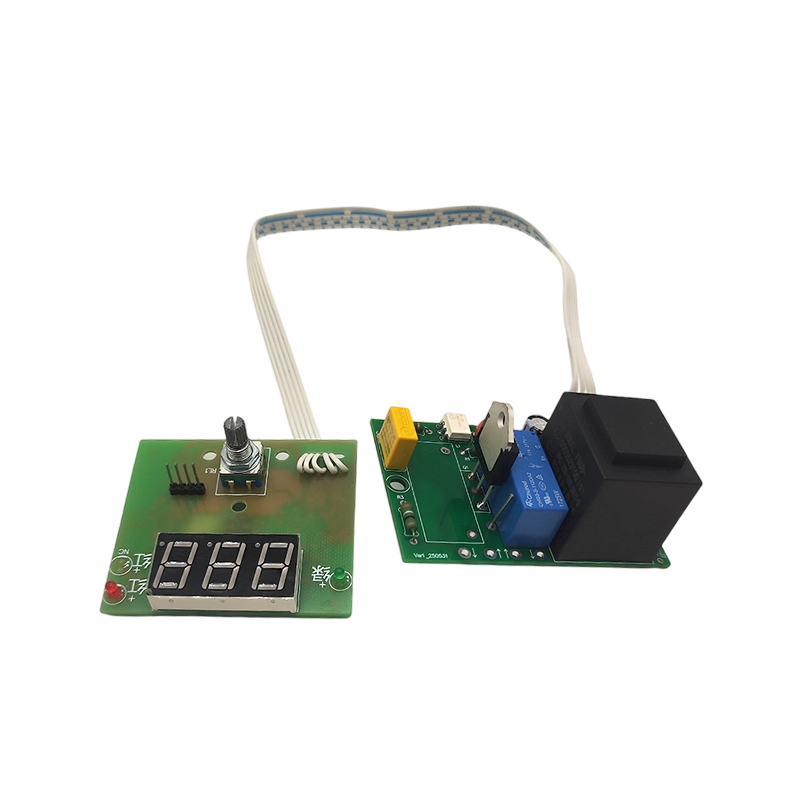 WHD-YL260 Oil Furnace Digital Thermostat
The WHD-YL260 oil furnace thermostat is an intelligent temperature control device designed speci...
-
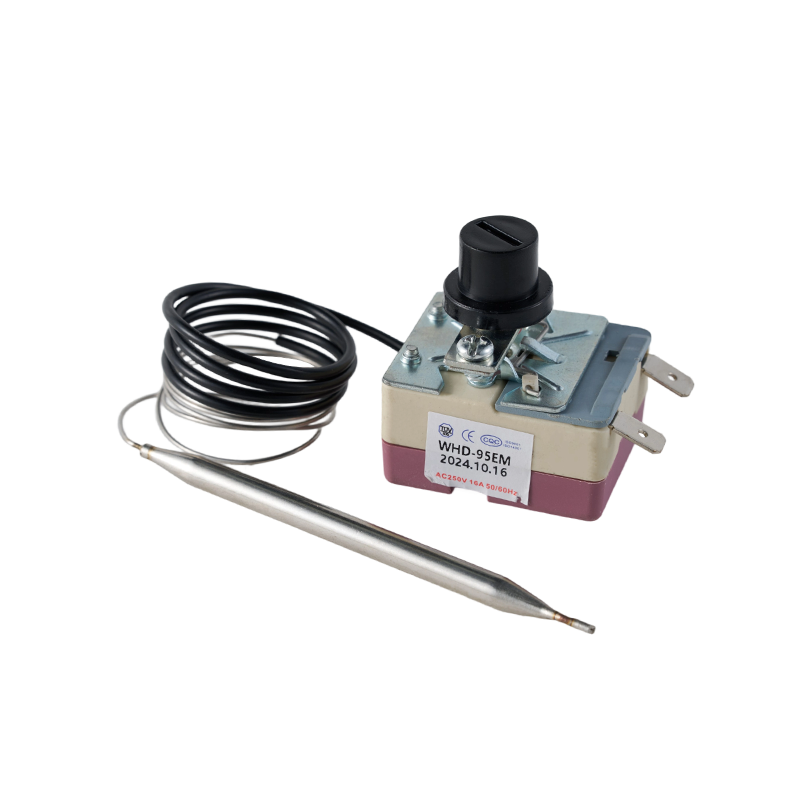 WHD-EM Limit Temperature Controller
The WHD-EM limit temperature controller is a highly reliable device for critical temperature mon...
PLEASE LEAVE YOUR SPECIFIC REQUIREMENT

QUICK LINKS
PRODUCTS
CONTACT
-
+86-15957748531
+86-15558959105
+86-19588099846
+86-18815077137 -
jilly@wzleh.com
east@wzleh.com
scott@wzleh.com
kim@wzleh.com
ADDRESS
- STI Park #B-2, Hongqiao Yueqing City, Zhejiang, China, 325608


Leheng Thermostat Factory
Copyright © Wenzhou Leheng Technology Co., Ltd. All Rights Reserved.