


 English
 Türk
SEARCH
HOT PRODUCTS

Newsletter
How to Choose a 3 Phase Capillary Thermostat?
Selecting a 3 Phase Capillary Thermostat involves more than matching a temperature setting. For commercial kitchens and industrial heating systems, equipment manufacturers need to consider the power supply, switching arrangement, operating temperature, and sensing position. A suitable thermostat helps regulate heating according to the equipment's working requirements while providing direct temperature adjustment.
Check the Electrical Requirements First
Large commercial and industrial heating equipment may use a three-phase 380V power supply to operate high-power heating elements. When evaluating a 3 Phase Capillary Thermostat, buyers should check its electrical ratings and terminal arrangement against the equipment's wiring diagram. The WRC series uses a three-terminal structure for three-phase temperature control applications.
The thermostat's role in the circuit should be confirmed against the actual wiring arrangement and load requirements. Where an external contactor or other switching component is used, the control circuit and power circuit should be evaluated together rather than assuming the thermostat directly switches every heating load.
Understand the Liquid-Expansion Working Principle

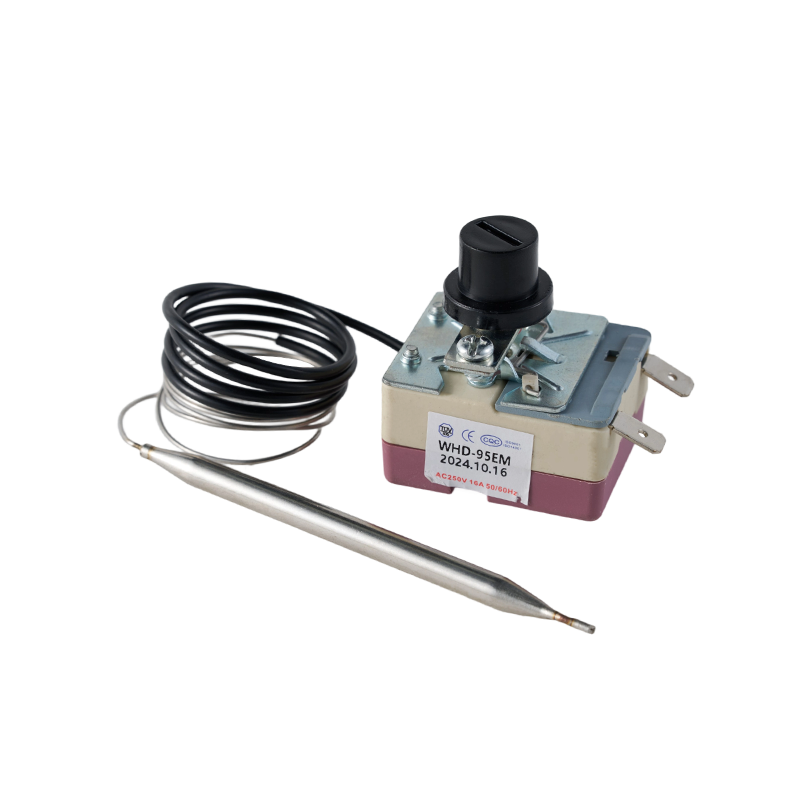
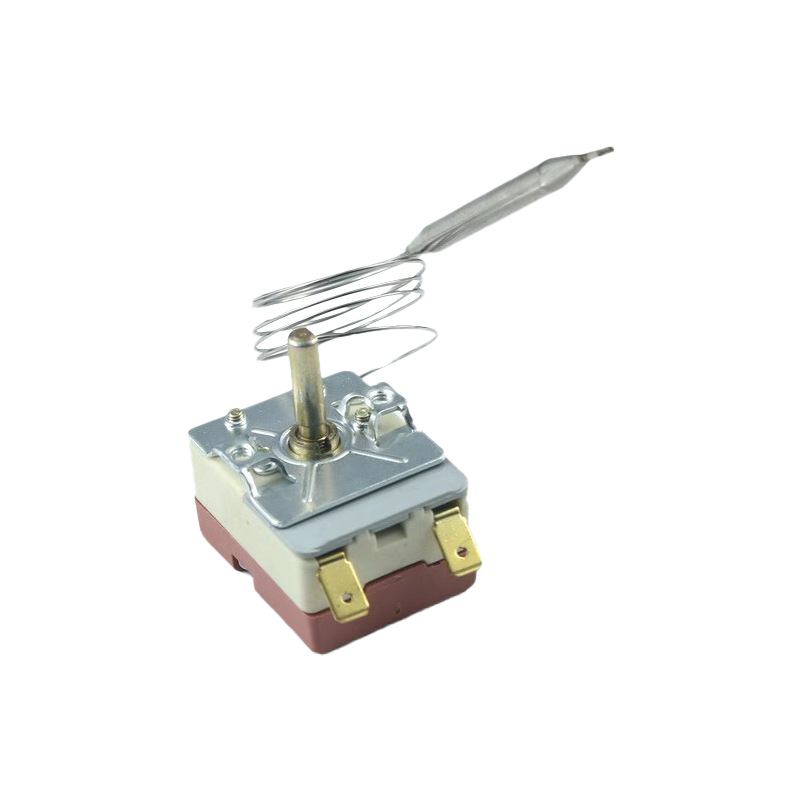
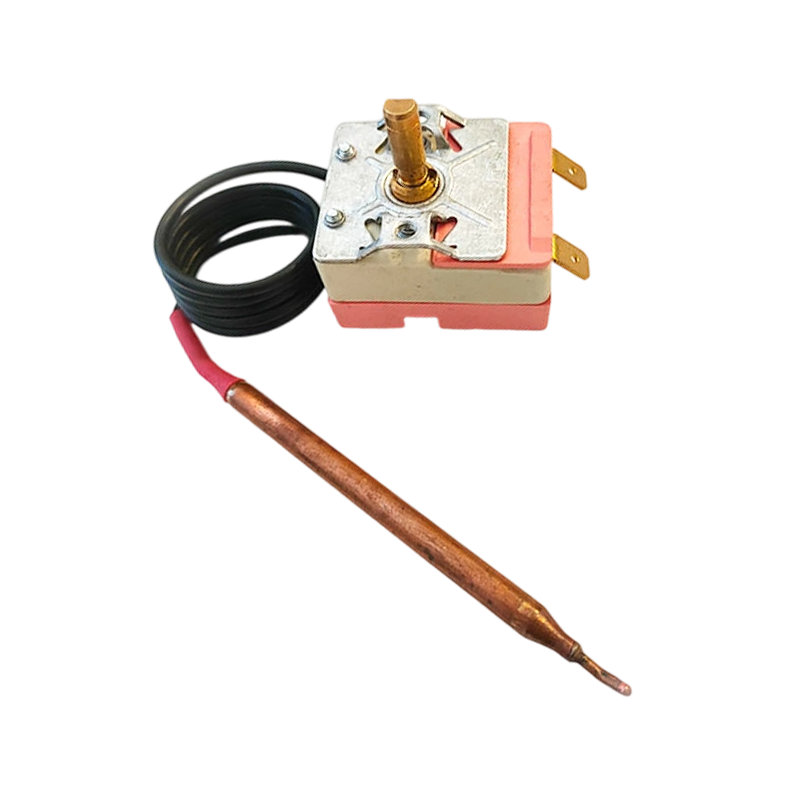
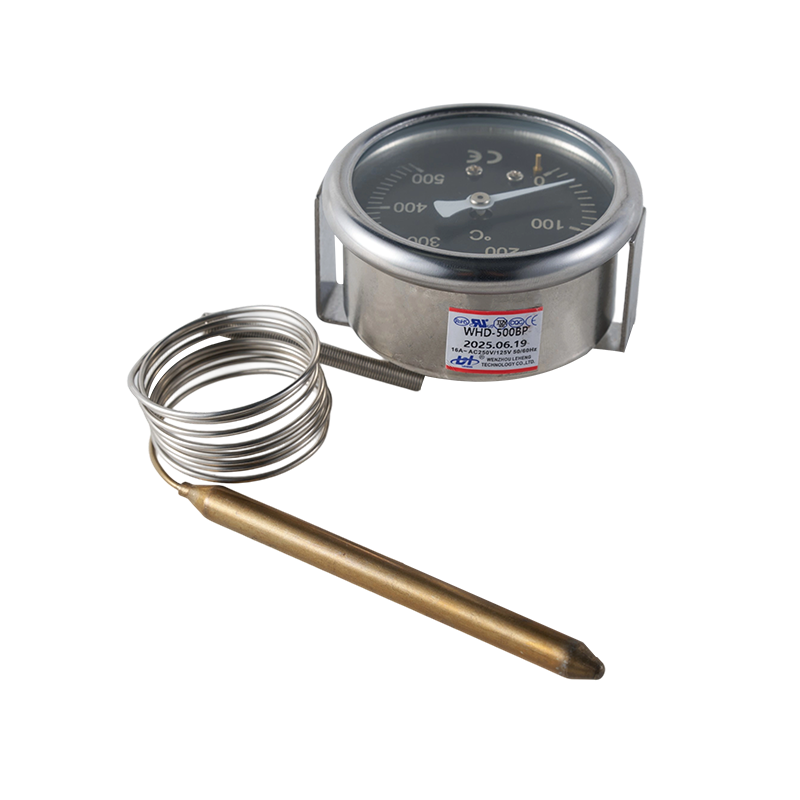
A 3 Phase Capillary Thermostat of the liquid-expansion type typically uses a sensing bulb, a capillary tube, and an internal pressure-responsive mechanism. The sensing bulb is positioned where temperature needs to be monitored. As the temperature changes, the liquid inside the sealed sensing system expands or contracts, changing pressure and operating the switching mechanism.
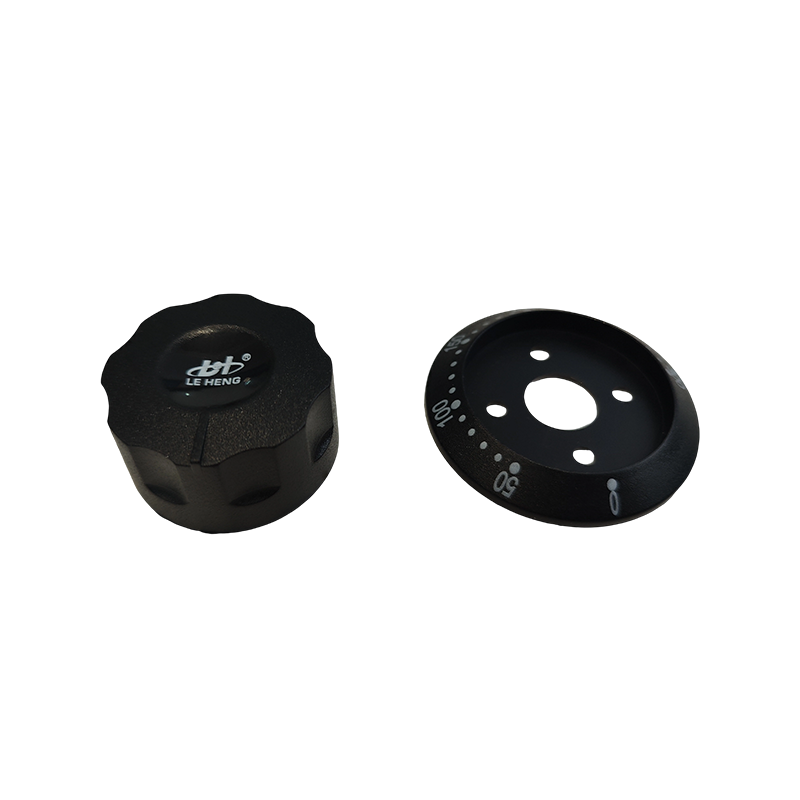
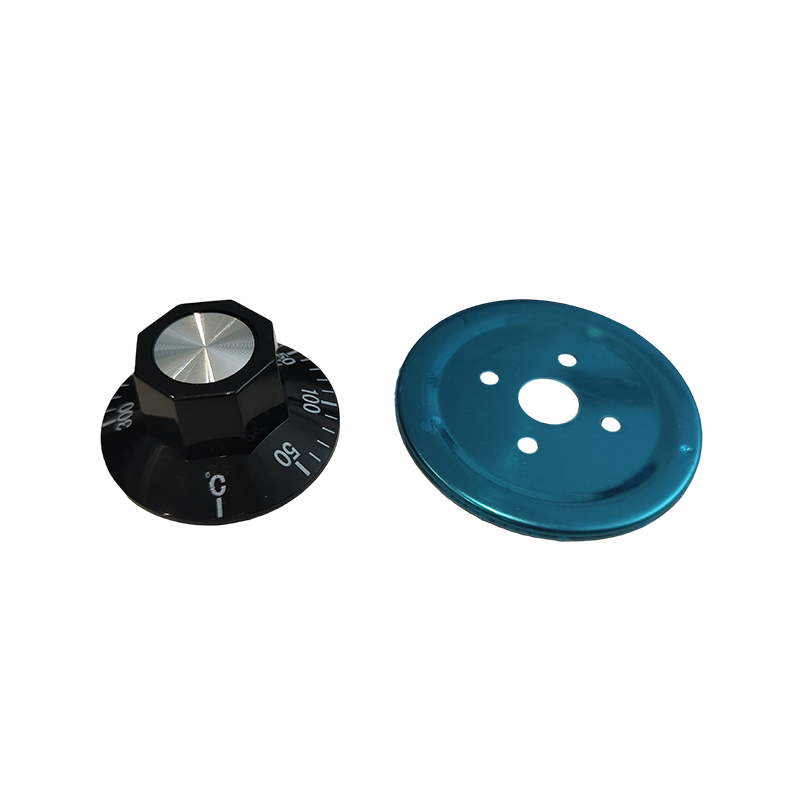
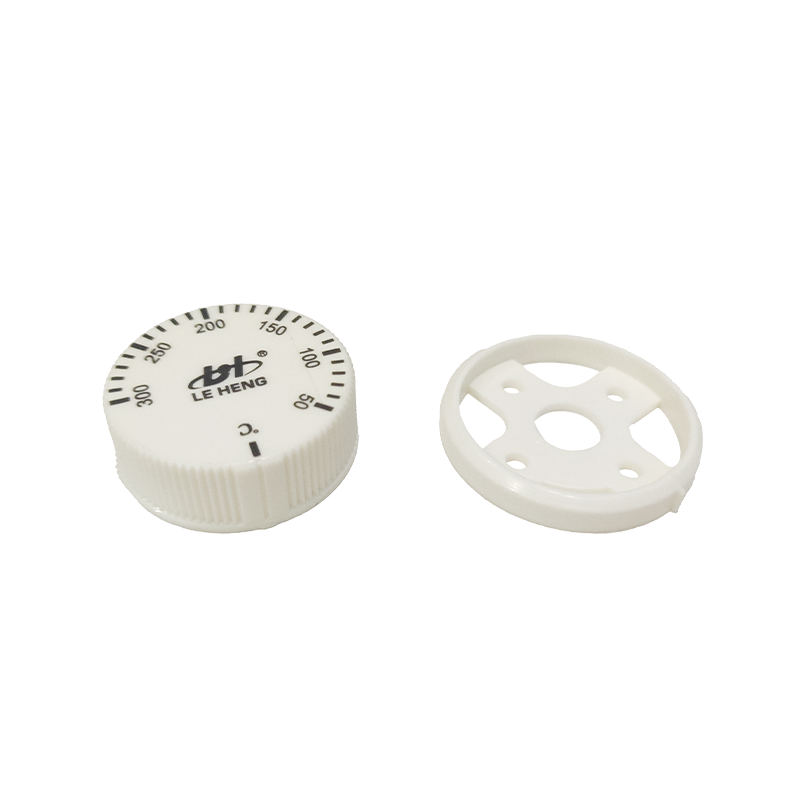
This mechanical process regulates temperature without requiring a programmable electronic controller. A rotary knob provides manual temperature adjustment, making it suitable for equipment where operators need to set or change the target temperature. The capillary tube also separates the sensing position from the thermostat housing, helping accommodate different equipment layouts when the bulb and tube are specified appropriately.
Match the Temperature Range to the Equipment
Before choosing a 3 Phase Capillary Thermostat, equipment makers should identify the normal operating temperature and the adjustment range required by the machine. Commercial ovens, pizza ovens and bread ovens have different operating conditions from steam cabinets, deep fryers, and hot-air drying equipment. Industrial electric boilers and large heating water tanks also have specific temperature-control requirements.
The selected temperature range should cover the intended working conditions. Buyers should consider where the sensing bulb will be installed, how it will measure the temperature of the heated area or medium, and whether the capillary length can reach the thermostat housing without awkward routing. These details matter when equipment is supplied in different sizes or configurations.
Applications in Commercial and Industrial Heating
The WRC series 3 Phase Capillary Thermostat is intended for high-power commercial and industrial heating applications. In commercial food service, relevant equipment includes large electric ovens, pizza and bread ovens, deep fryers, commercial rice steaming carts and steam sterilizing cabinets. Food-processing applications include drying machines and hot-air ovens.
Industrial applications include electric boilers and large-capacity heating water tanks. In each case, temperature control needs to match the heating process, electrical configuration, and installation conditions. A thermostat selected for one machine should not automatically be assumed suitable for another without checking its ratings and installation requirements.
Key Points Buyers Should Compare
When sourcing a 3 Phase Capillary Thermostat, purchasing teams and equipment manufacturers can review the following factors:
- Supply and wiring: Confirm the three-phase 380V system and terminal arrangement.
- Switching requirements: Match the electrical ratings to the intended control circuit and heating load.
- Temperature range: Check that the adjustment range covers normal operating conditions.
- Sensing bulb position: Identify the measuring point and confirm that the bulb can be installed securely.
- Capillary length: Match the tube length to the distance between the sensing point and thermostat housing.
- Operating environment: Consider heat, steam, grease, vibration and available mounting space.
- Protection strategy: Determine whether a separate over-temperature limiter is required for the equipment's safety system.
These checks help buyers compare temperature-control components according to actual installation requirements rather than relying on the product name alone.
Selecting a WRC Series Thermostat
For manufacturers of commercial heating appliances and industrial thermal equipment, the WRC series offers mechanical liquid-expansion temperature control, three terminals for three-phase applications and a rotary knob for temperature adjustment. When evaluating a 3 Phase Capillary Thermostat, buyers should review the component alongside the heating elements, wiring diagram, sensing location and any separate safety controls used in the machine.
Defining these requirements early helps equipment manufacturers assess compatibility across ovens, fryers, drying equipment, electric boilers, and heating water tanks. It also gives purchasing teams a clear basis for communicating electrical and installation requirements during component selection.
OUR PRODUCTS
Recommended Products


PLEASE LEAVE YOUR SPECIFIC REQUIREMENT

QUICK LINKS
PRODUCTS
CONTACT
-
+86-15957748531
+86-15558959105
+86-19588099846
+86-18815077137 -
jilly@wzleh.com
east@wzleh.com
scott@wzleh.com
kim@wzleh.com
ADDRESS
- STI Park #B-2, Hongqiao Yueqing City, Zhejiang, China, 325608


Leheng Thermostat Factory
Copyright © Wenzhou Leheng Technology Co., Ltd. All Rights Reserved.