


 English
 Türk
Türk русский
 한국어
한국어 Deutsch
 日本語
日本語 dansk
dansk Français
WHD-E copper adjustable copper capillary thermostat is a mechanical temperature regulating devic...
Adjustable Commercial Thermostat Production Runs on Tight Quality
A cold-storage equipment buyer who orders the wrong capillary charge for a commercial thermostat finds out the hard way — the unit either never reaches the required low temperature or overshoots and short-cycles the compressor. Getting an adjustable commercial thermostat built correctly starts well before the parameter dial gets set, in decisions made on the factory floor about bulb charge, capillary sealing, and calibration.
Capillary Charge and Bulb Sealing for Low-Temperature Ranges
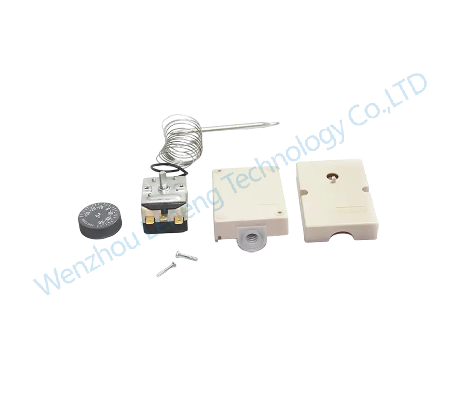
An adjustable commercial thermostat built for refrigeration duty needs a bulb and capillary fill calibrated for a very different range than a heating-side thermostat. A unit like the WHD-F2000, rated across a -35°C to 35°C span, relies on a gas or liquid fill formulated to respond accurately at the cold end of that range, where a fill designed for high-heat applications would behave sluggishly or fail to trigger the switch contact at the correct point. Manufacturing this correctly means matching fill chemistry to the target range during production, not adjusting a single generic fill across every thermostat variant a factory makes.
Bulb sealing quality matters here just as much as fill selection. A refrigeration capillary thermostat cycles through repeated temperature swings over years of service inside coolers and ice machines, and a seal that develops even a small leak over that time will drift out of calibration long before the equipment itself wears out. Factories running optical inspection at the sealing stage catch weld or crimp defects that a purely visual check would miss, which matters for buyers who need consistent trip accuracy across a large batch of adjustable commercial thermostat units rather than just in the sample.
Comparing Refrigeration and Heating-Side Thermostat Production
Because an adjustable commercial thermostat and a heating-side manual reset limiter share the same basic capillary architecture, comparing their production specifications shows how differently the same underlying technology gets calibrated for opposite ends of the temperature spectrum.
|
Parameter |
WHD-F2000 (Refrigeration) |
Manual Reset Limiter (Heating) |
|
Temperature Range |
-35°C to 35°C |
30°C to 320°C |
|
Capillary Length |
1500mm |
300–2000mm |
|
On-off Differential |
3–5°C |
2–12°C |
|
Typical Application |
Fresh-keeping tanks, ice machines, coolers |
Ovens, fryers, boilers |
Buyers sourcing both types from the same factory benefit from a supplier that keeps separate fill formulations, tooling, and calibration procedures for each range rather than treating capillary thermostats as a single interchangeable product family.
Assembly Line Consistency for Repeat Orders
An adjustable commercial thermostat destined for offices, restaurants, and retail HVAC applications needs consistent calibration across every unit in a shipment, since a buyer installing dozens of units across multiple sites cannot practically field-calibrate each one individually. Standardized, automated assembly paired with optical inspection at each stage helps hold that consistency across production runs rather than relying on manual calibration that varies technician to technician.
A HVAC temperature control component sourced for repeat commercial installations benefits from a factory that documents calibration settings and batch records, since buyers occasionally need to trace a temperature-drift complaint back to a specific production date or fill batch.
Certification and Bulk Supply for Commercial Buyers
An adjustable commercial thermostat shipped into regulated markets typically needs CE and RoHS documentation covering both the electrical switching mechanism and the plastic or metal housing. Buyers working with a factory that also holds ISO 9001 and ISO 14001 certification get the added benefit of a documented quality management system behind the calibration process, not just a compliant end product.
For buyers placing recurring orders across a multi-site rollout, monthly production capacity matters as much as certification. A factory running dedicated automated lines for adjustable commercial thermostat production can typically hold consistent times across repeat orders, compared with a supplier splitting capacity across many unrelated product types with less predictable scheduling.
OUR PRODUCTS
Recommended Products
-
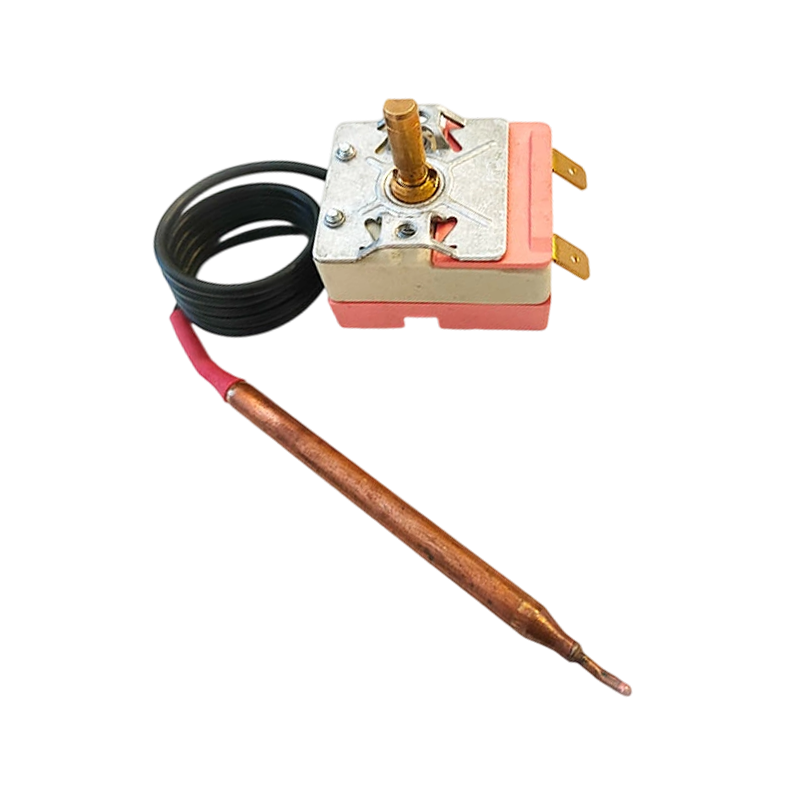
 WHD-E-CU Copper Adjustable Capillary Temperature Controller
 -
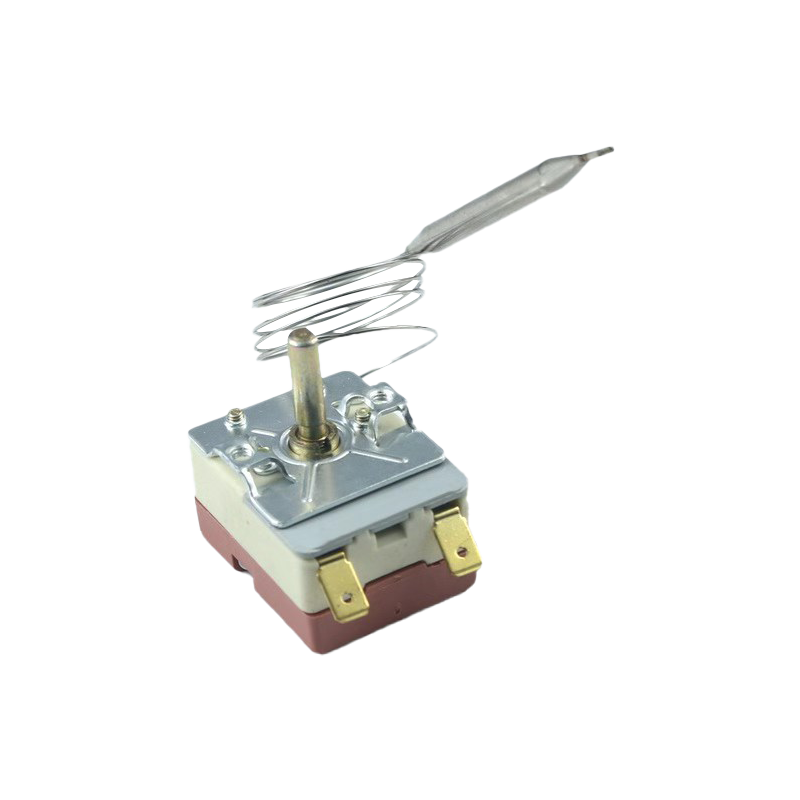 Stainless Steel Adjustable Capillary Temperature Controller
The stainless steel adjustable capillary thermostat is a mechanical temperature regulating devic...
-
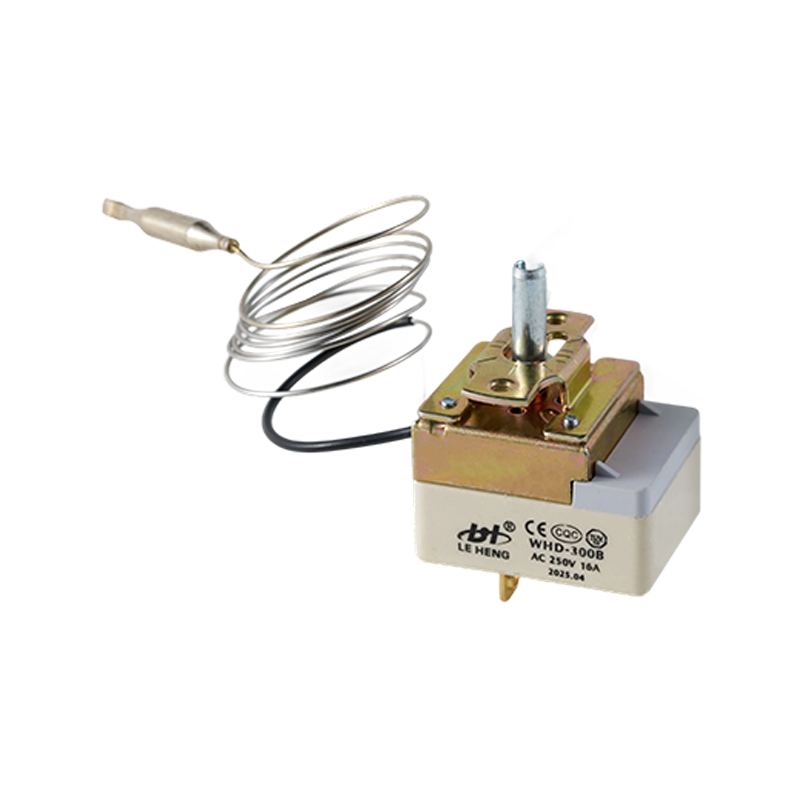 WHD-B(16A/25A) Adjustable Temperature Mechanical Capillary Thermostat
WHD-B(16A/25A) Adjustable Temperature Mechanical Capillary Thermostat is specially designed for ...
-
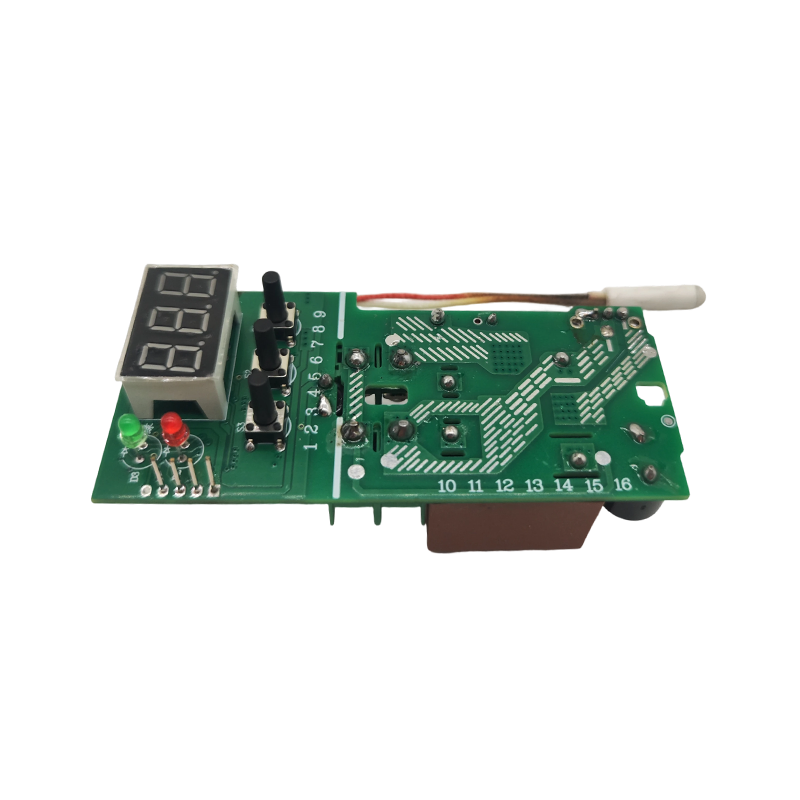 WHD-RQ400-BY Digital Display Thermostatic Controller
The WHD-RQ400-BY digital thermostat is an intelligent control device designed specifically for h...
-
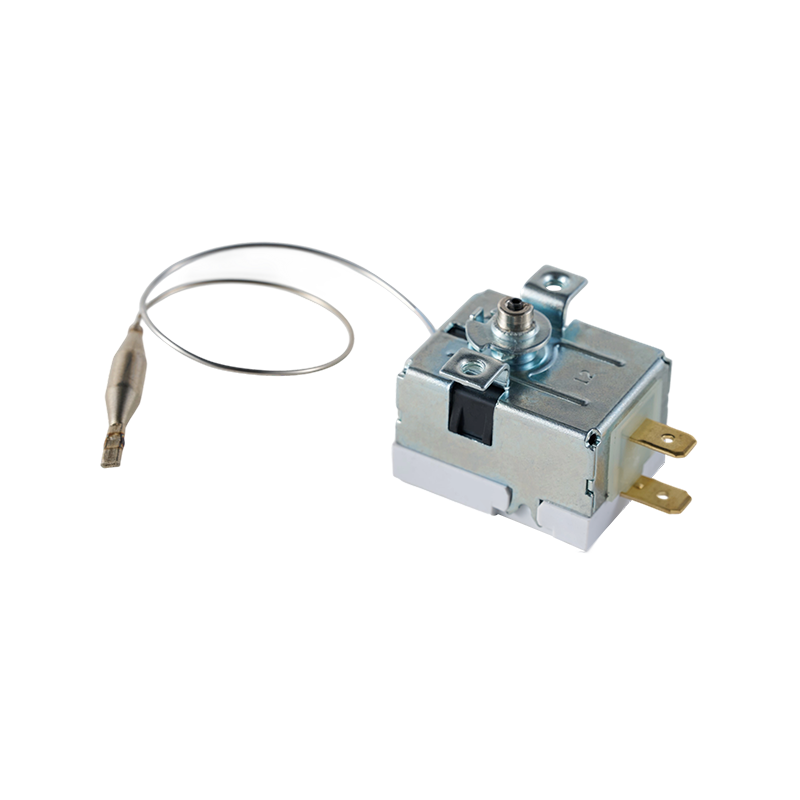 WHD-H2 320 Degree Oven Heating Temperature Limiter
The WHD-H2 oven heating limiter is designed for precise temperature control, with a maximum limi...
-
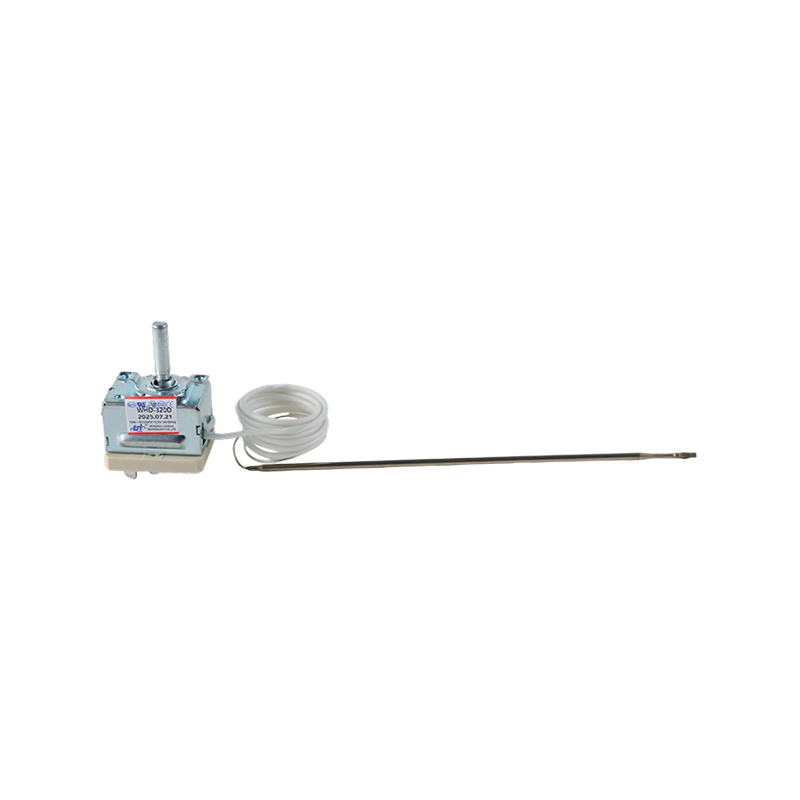 WHD-D Adjustable Mechanical Temperature Thermostat
The WHD-D adjustable mechanical thermostat offers reliable temperature control. It features a ma...
-
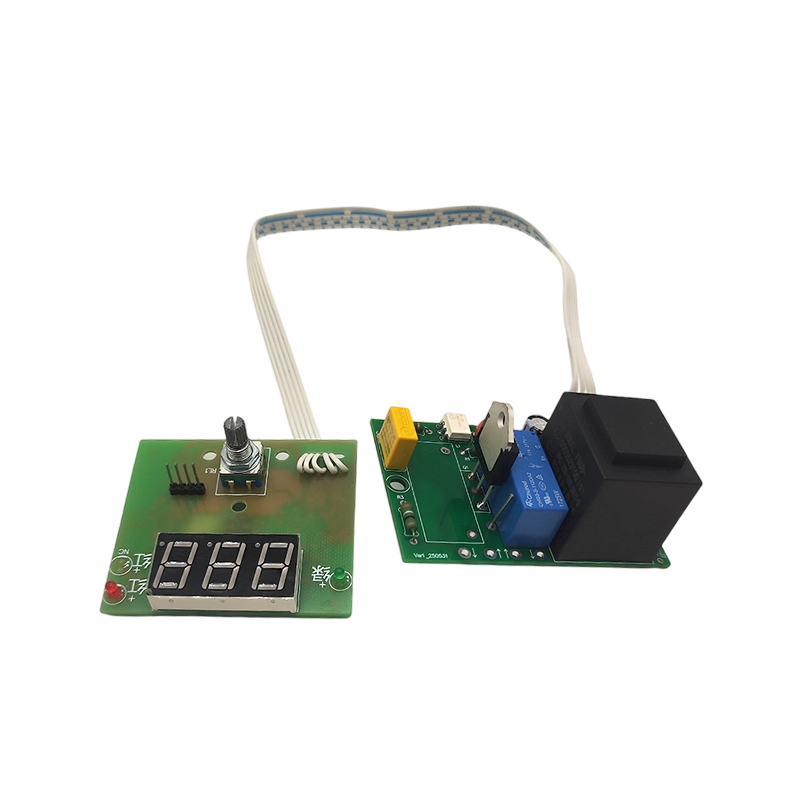 WHD-YL260 Oil Furnace Digital Thermostat
The WHD-YL260 oil furnace thermostat is an intelligent temperature control device designed speci...
-
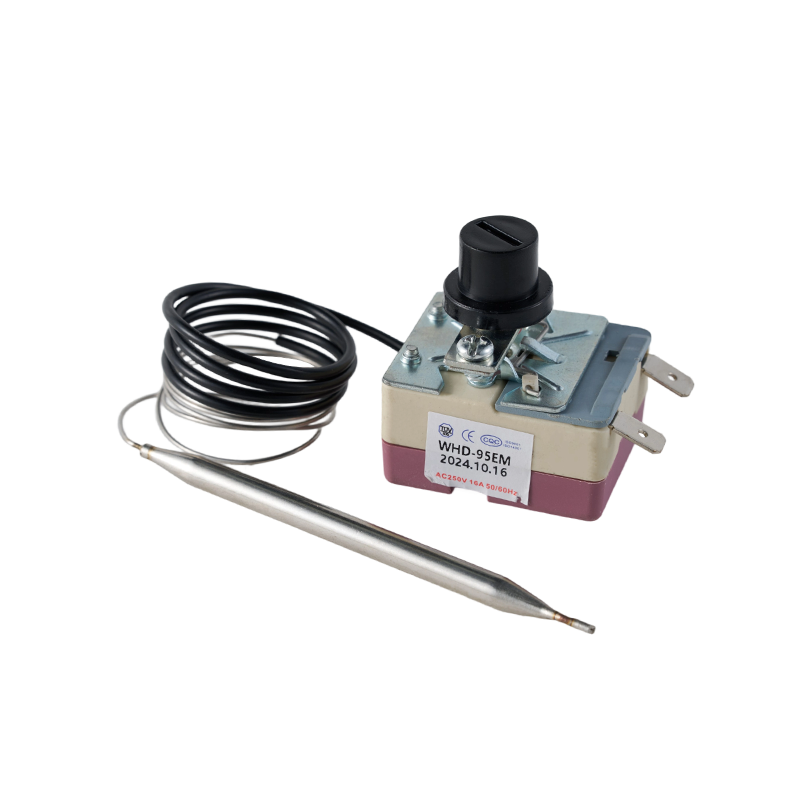 WHD-EM Limit Temperature Controller
The WHD-EM limit temperature controller is a highly reliable device for critical temperature mon...
PLEASE LEAVE YOUR SPECIFIC REQUIREMENT

QUICK LINKS
PRODUCTS
CONTACT
-
+86-15957748531
+86-15558959105
+86-19588099846
+86-18815077137 -
jilly@wzleh.com
east@wzleh.com
scott@wzleh.com
kim@wzleh.com
ADDRESS
- STI Park #B-2, Hongqiao Yueqing City, Zhejiang, China, 325608


Leheng Thermostat Factory
Copyright © Wenzhou Leheng Technology Co., Ltd. All Rights Reserved.