


 English
 Türk
Türk русский
 한국어
한국어 Deutsch
 日本語
日本語 dansk
dansk Français
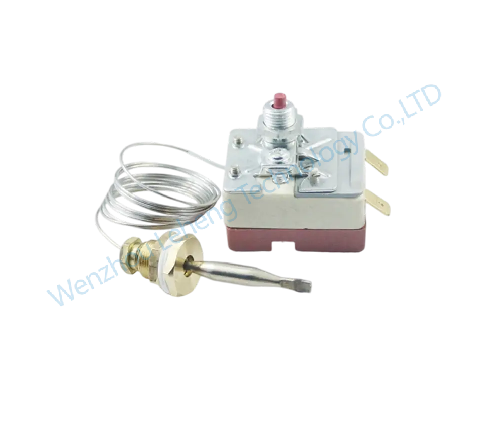
WHD-E copper adjustable copper capillary thermostat is a mechanical temperature regulating devic...
Manual Reset Temperature Controller Switch Sourcing Guide
A restaurant equipment technician who gets called out twice a month for a fryer that will not restart after a nuisance trip has usually found the same root cause: a manual reset temperature controller switch that was specified without matching its capillary length and trip range to the actual equipment. Getting this component right at the sourcing stage prevents a long list of service calls later.
Understanding the Safety Function Before Comparing Suppliers
A manual reset temperature controller switch cuts power to a circuit once the temperature exceeds a set limit, and unlike an automatic-reset thermostat, it stays open until someone physically resets it. That manual step is the entire point of the design — it forces a person to confirm the equipment is safe before power returns, rather than letting the system cycle back on unattended once it cools down. Buyers should treat this primarily as a safety component, with temperature control as a secondary function, since the sourcing questions differ from what applies to a standard adjustable thermostat.
A capillary thermostat safety limiter relies on a sealed bulb and capillary tube filled with a temperature-sensitive fill, so the mechanical integrity of that seal over years of thermal cycling matters more here than for many other switch types. Buyers evaluating a manual reset temperature controller switch should ask about the bulb's resistance temperature rating, since a limiter rated below the equipment's peak operating temperature degrades early and trips unpredictably rather than at the intended set point.
Matching Capillary Length and Trip Range to the Application
A manual reset temperature controller switch typically ships with a capillary length somewhere between 300mm and 2000mm, and the right length depends entirely on the physical distance between the sensing bulb location and the switch body — too short forces a redesign of the mounting layout, too long adds unnecessary coiled tubing inside the equipment housing. The table below maps common commercial kitchen and heating equipment to typical specification ranges buyers can use as a starting point before requesting samples.
|
Application |
Typical Trip Range |
Capillary Length |
On-off Differential |
|
Deep Fryer |
150–320°C |
300–800mm |
2–4°C (tight control) |
|
Commercial Oven |
Up to 320°C |
800–1500mm |
4–8°C |
|
Griddle |
100–250°C |
500–1200mm |
3–6°C |
|
Boiler / Water Heater |
30–120°C |
1500–2000mm |
8–12°C |
These ranges are starting points for a manual reset temperature controller switch rather than fixed rules — actual equipment layout and safety margin requirements should still drive the final specification.
Manufacturing Consistency and Bulb Sealing Quality
Manual reset overheat protection only works reliably if the seal on the sensing bulb holds up under repeated heating and cooling. A manual reset switch with a compromised seal often passes a quick functional test at the factory, which is why inline inspection during the sealing stage matters more than a final check alone. Buyers placing recurring orders should ask whether bulb sealing is inspected in-line or only spot-checked, since spot-checking leaves more room for a defective unit to reach the field.
Certifications and Documentation to Request
A manual reset temperature controller switch installed in commercial kitchen or industrial heating equipment typically needs to meet UL or CE electrical safety requirements depending on the destination market, alongside RoHS and REACH documentation for the plastic and metal components involved. Buyers should request the specific certificate covering the exact model and rated capacity being purchased, since a general company-level certification does not always confirm compliance for every product variant in a catalog.
Suppliers who also hold ISO 9001 certification for their manufacturing process tend to document design changes and batch traceability more consistently, which matters if a buyer needs to trace a field failure back to a specific production run.
OUR PRODUCTS
Recommended Products
-
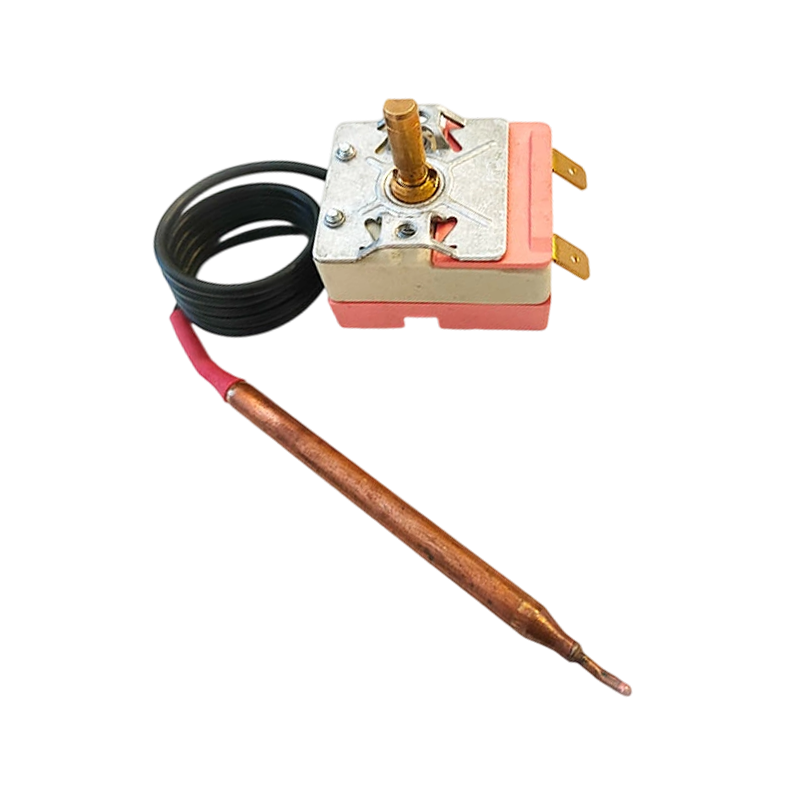
 WHD-E-CU Copper Adjustable Capillary Temperature Controller
 -
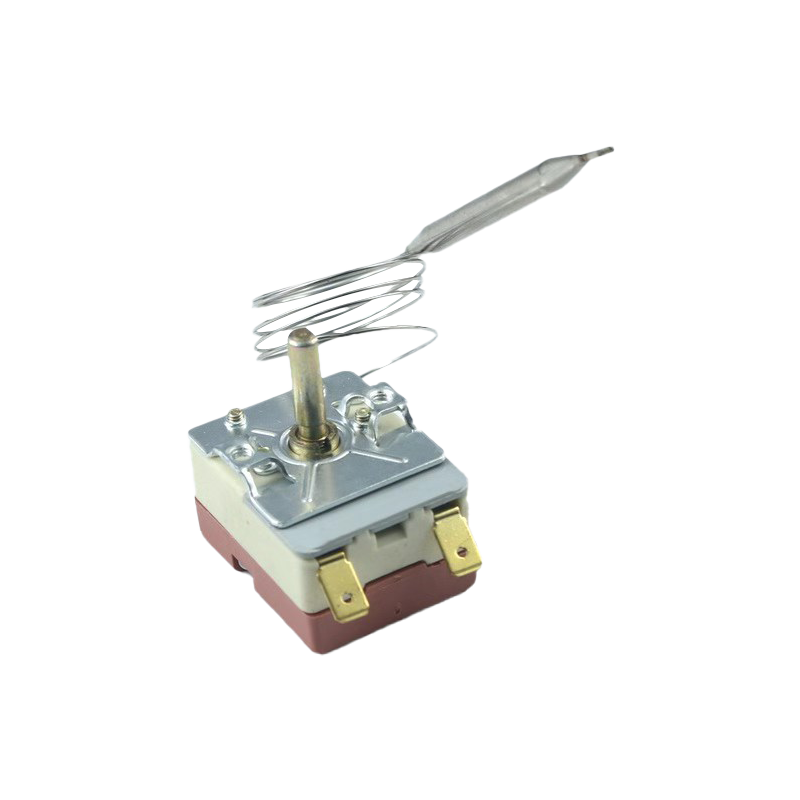 Stainless Steel Adjustable Capillary Temperature Controller
The stainless steel adjustable capillary thermostat is a mechanical temperature regulating devic...
-
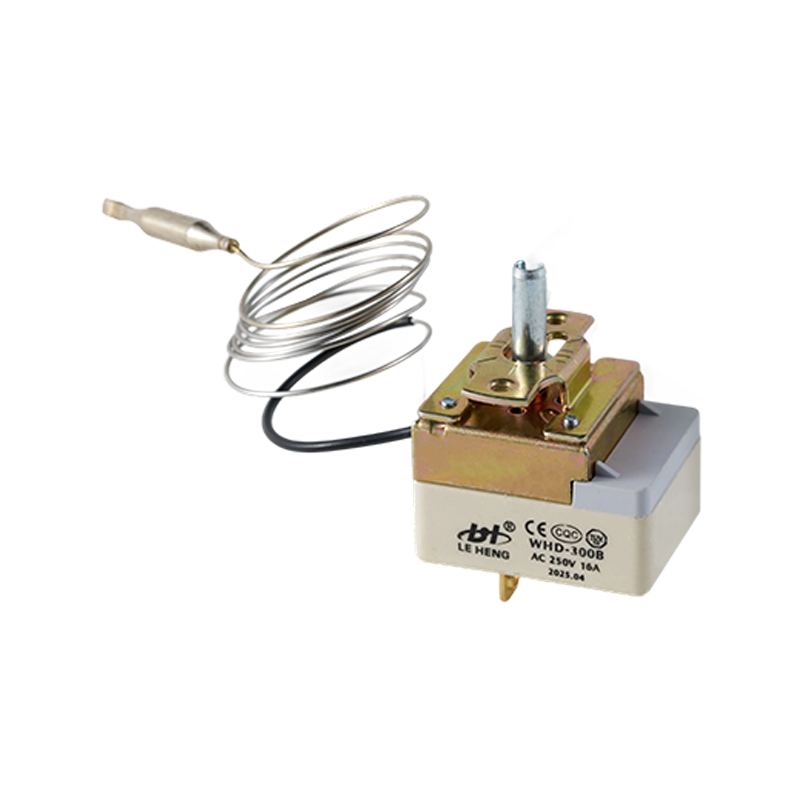 WHD-B(16A/25A) Adjustable Temperature Mechanical Capillary Thermostat
WHD-B(16A/25A) Adjustable Temperature Mechanical Capillary Thermostat is specially designed for ...
-
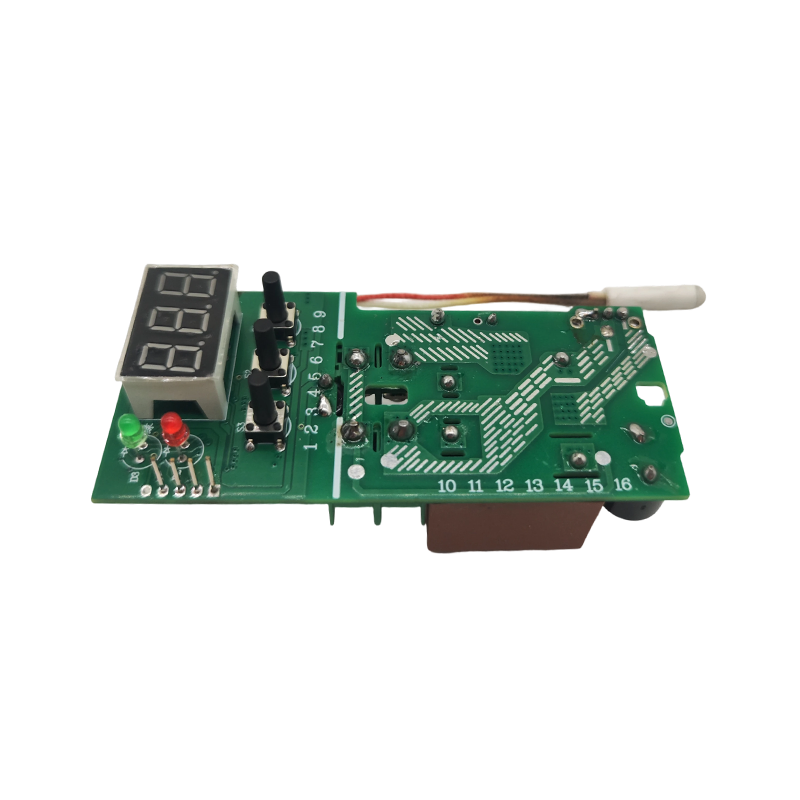 WHD-RQ400-BY Digital Display Thermostatic Controller
The WHD-RQ400-BY digital thermostat is an intelligent control device designed specifically for h...
-
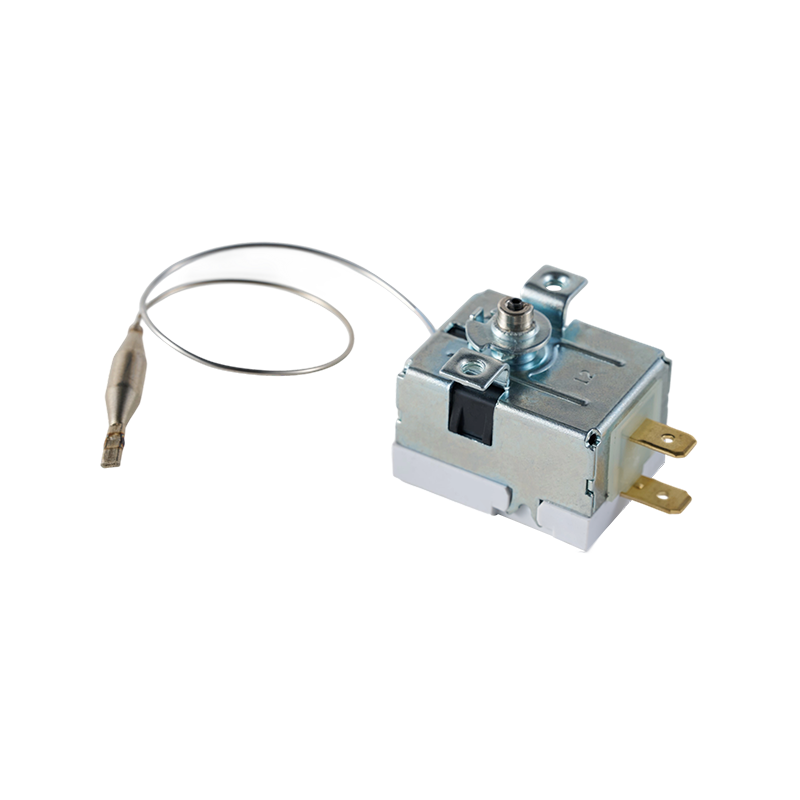 WHD-H2 320 Degree Oven Heating Temperature Limiter
The WHD-H2 oven heating limiter is designed for precise temperature control, with a maximum limi...
-
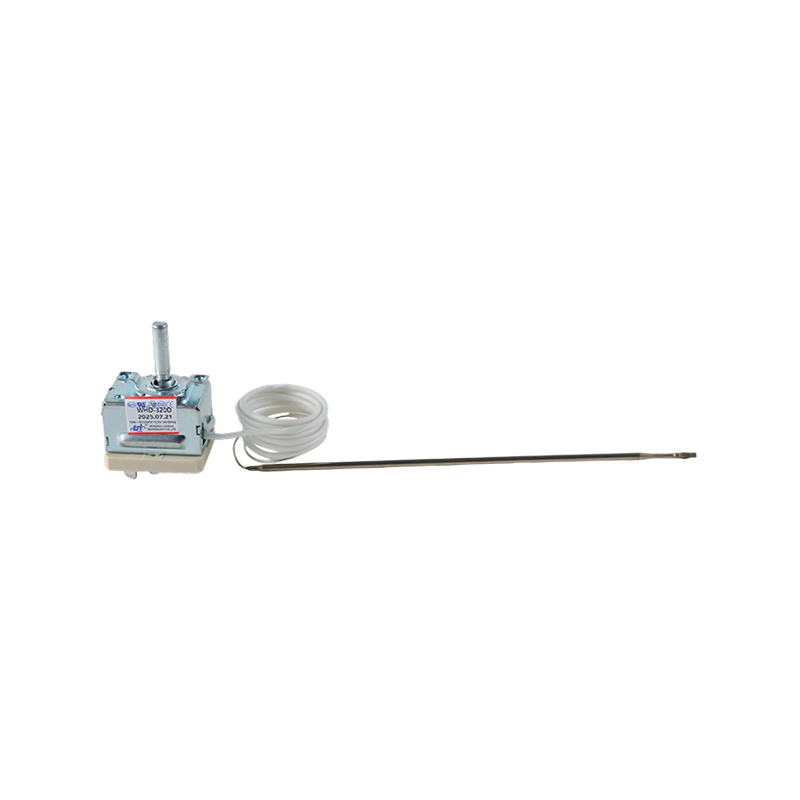 WHD-D Adjustable Mechanical Temperature Thermostat
The WHD-D adjustable mechanical thermostat offers reliable temperature control. It features a ma...
-
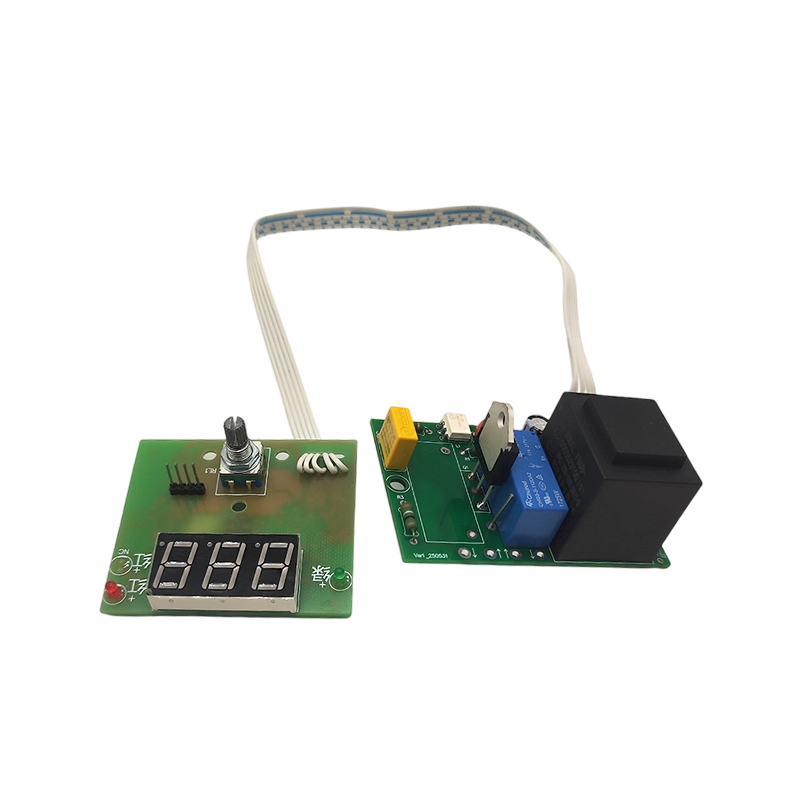 WHD-YL260 Oil Furnace Digital Thermostat
The WHD-YL260 oil furnace thermostat is an intelligent temperature control device designed speci...
-
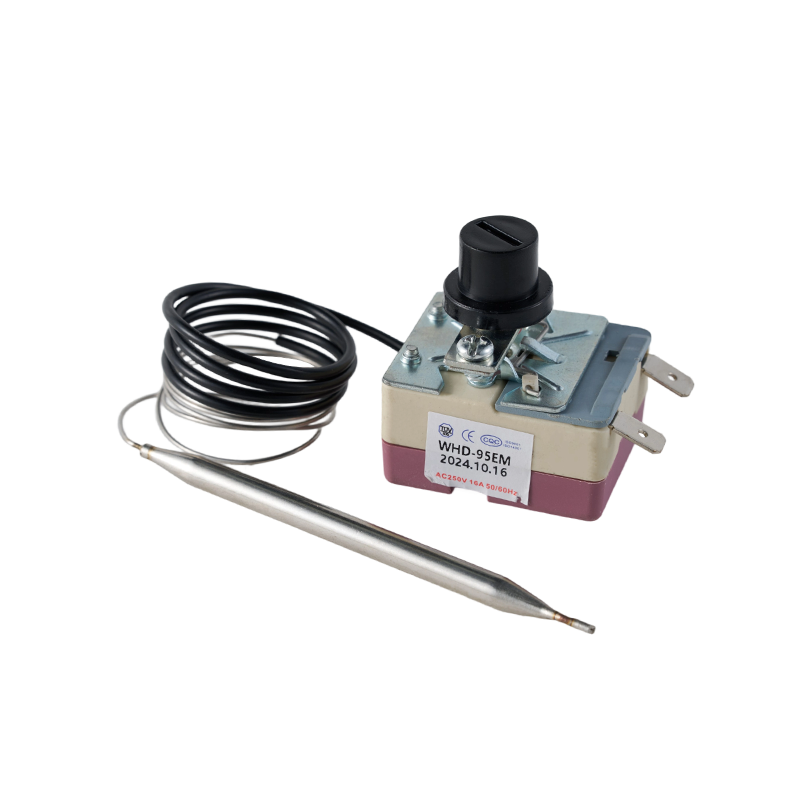 WHD-EM Limit Temperature Controller
The WHD-EM limit temperature controller is a highly reliable device for critical temperature mon...
PLEASE LEAVE YOUR SPECIFIC REQUIREMENT

QUICK LINKS
PRODUCTS
CONTACT
-
+86-15957748531
+86-15558959105
+86-19588099846
+86-18815077137 -
jilly@wzleh.com
east@wzleh.com
scott@wzleh.com
kim@wzleh.com
ADDRESS
- STI Park #B-2, Hongqiao Yueqing City, Zhejiang, China, 325608


Leheng Thermostat Factory
Copyright © Wenzhou Leheng Technology Co., Ltd. All Rights Reserved.