


 English
 Türk
Türk
SEARCH
HOT PRODUCTS
Newsletter
Refrigerator Thermostat Installation Guide for Diverse Applications
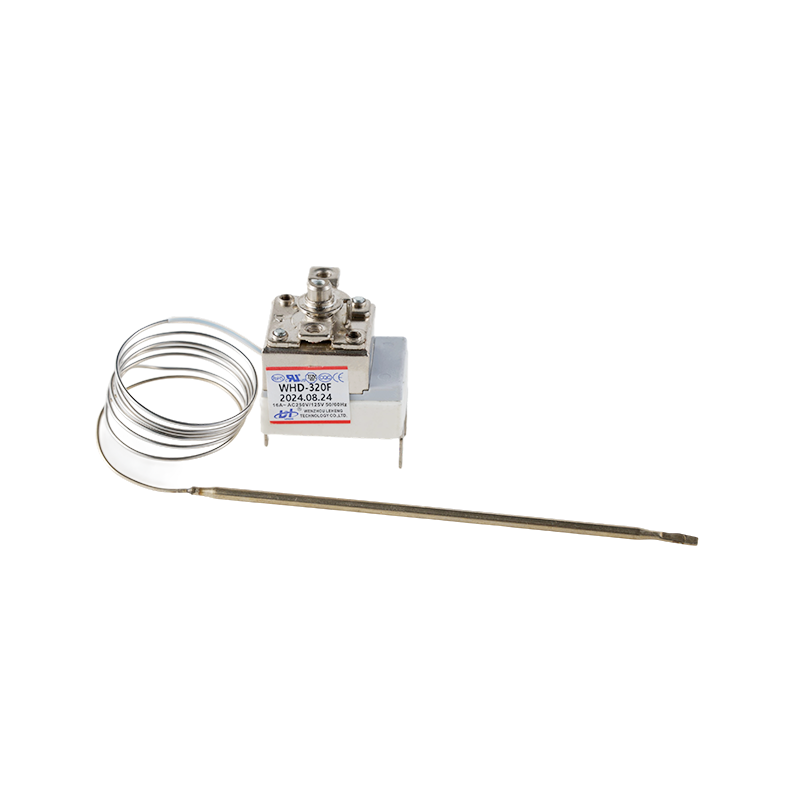
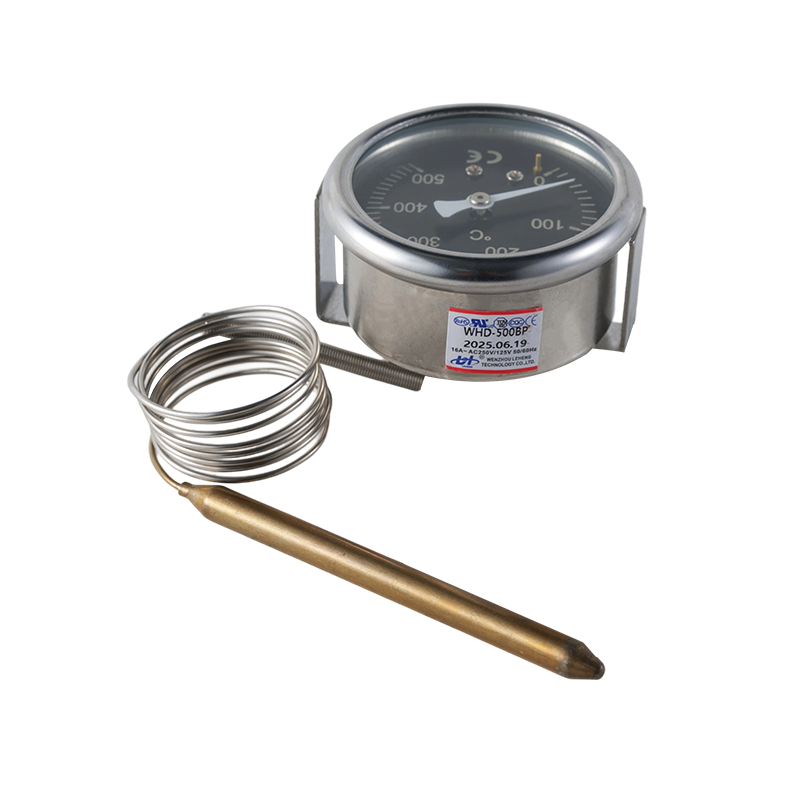
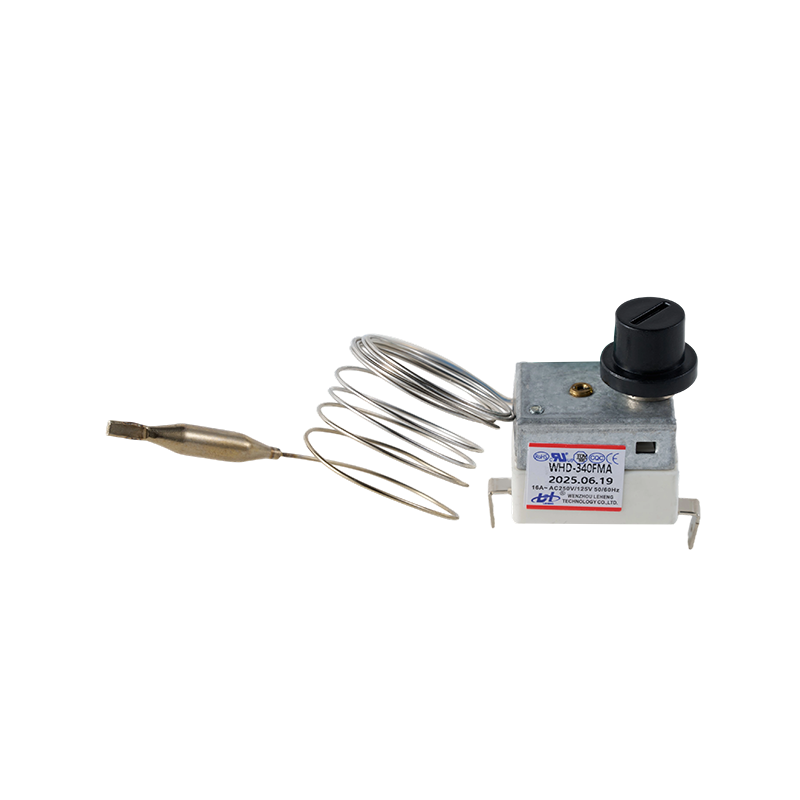
The correct installation of a Refrigerator thermostat is important for ensuring efficient operation and accurate temperature control in any cooling appliance. The process shares core principles whether applied to a home kitchen unit or a commercial walk-in cooler, though the scale and specific requirements differ. This guide outlines the universal steps while highlighting considerations for more demanding environments. For both contexts, the installed component, often a capillary type, is frequently sourced from a broad industrial base, with the sector known as capillary thermostat china representing a substantial source of such components known for adaptable production to various needs.
Core Installation Principles Common to All Units
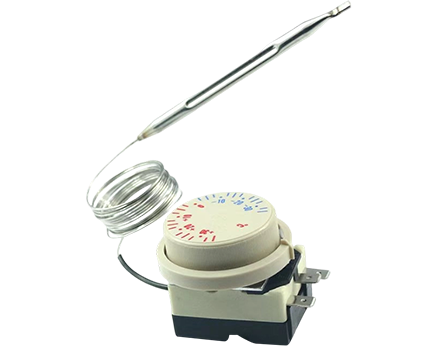
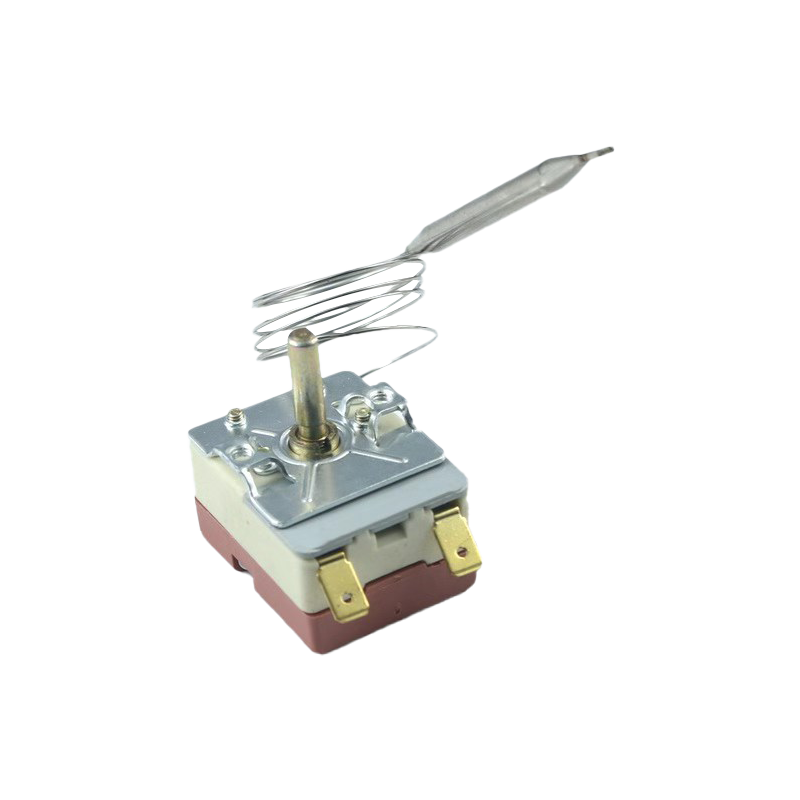
The foundational steps for installing a capillary tube Refrigerator thermostat are consistent. Safety is the immediate priority: the appliance must be completely disconnected from its power source. The installer must then identify and access the mounting location for the thermostat body, usually inside an interior panel. The capillary tube and its sensing bulb require careful handling to avoid kinks or damage. Their placement is critical; they must be securely fastened in the designated location—often in direct contact with an evaporator coil or in an airstream—to guarantee the thermostat responds accurately to the correct temperature. Electrical connections must be tight and correct according to the wiring diagram. After reassembly, a functional test over 24 hours is recommended to verify that the cooling cycle operates as intended.
Specific Demands in Commercial Refrigeration Environments
Commercial refrigeration systems, such as those in restaurants, supermarkets, or storage facilities, place different demands on a Refrigerator thermostat. These systems often operate for longer hours, experience more frequent door openings, and must maintain strict temperature ranges for food safety. The thermostat must therefore manage a higher number of compressor cycles and withstand greater electrical loads. The sensing element may need to be calibrated for a wider or different temperature range. In these settings, durability and consistent performance under load are key factors in component selection.
Sourcing Components for Varied Requirements
The need for reliable components in both residential and commercial repair or manufacturing has supported a global network of suppliers. The manufacturing capacity associated with the capillary thermostat in China is notable for its ability to accommodate a spectrum of requests. This includes adjustments to capillary tube length, variations in temperature set points, and different electrical contact ratings. This flexibility allows buyers, from individual technicians to procurement departments, to source parts that match specific model requirements or custom applications. The availability of such adaptable components supports the maintenance and production of a wide array of refrigeration equipment worldwide.
Ensuring Long-Term Performance After Installation
A successful installation is measured by long-term performance. Beyond the initial mechanical and electrical steps, choosing a component designed for the application's specific demands is a major factor. Whether for a simple household replacement or a part of a larger commercial service, the installed Refrigerator thermostat should offer predictable operation. Components that come from manufacturing regions with extensive experience, such as those linked to capillary thermostat china, often provide a balance of practicality and function. For installers, verifying that a part has appropriate certifications for its intended market and checking its physical and electrical specifications against the application's needs are standard practices for a reliable outcome.
OUR PRODUCTS
Recommended Products

PLEASE LEAVE YOUR SPECIFIC REQUIREMENT

QUICK LINKS
PRODUCTS
CONTACT
-
+86-15957748531
+86-15558959105
+86-19588099846
+86-18815077137 -
jilly@wzleh.com
east@wzleh.com
scott@wzleh.com
kim@wzleh.com
ADDRESS
- STI Park #B-2, Hongqiao Yueqing City, Zhejiang, China, 325608


Leheng Thermostat Factory
Copyright © Wenzhou Leheng Technology Co., Ltd. All Rights Reserved.