


 English
 Türk
Türk
SEARCH
HOT PRODUCTS

Newsletter
Auto vs. Manual Reset Limit Thermostat: Key Safety Differences Explained
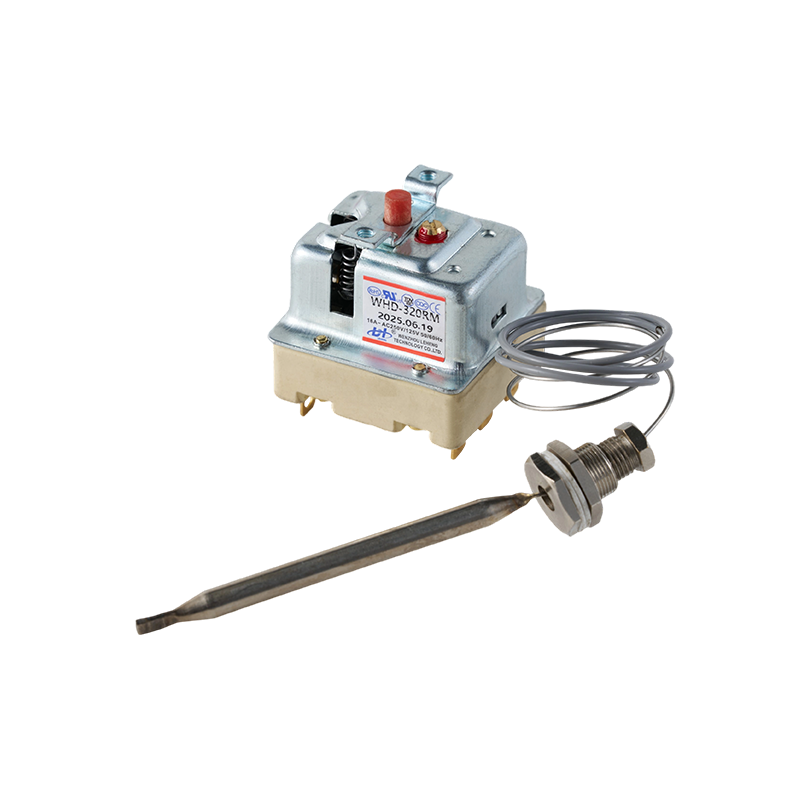
Choosing the right type of limit control for a heating system involves understanding how each device behaves after a temperature fault. A Manual Reset Limit Thermostat differs significantly from an auto‑reset version in both operation and safety philosophy.
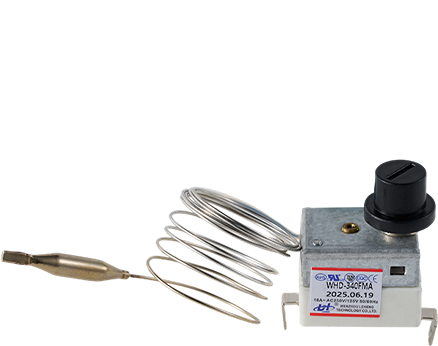
Basic Operating Principles
Both devices sense temperature using a bimetal disc or a similar thermally responsive element. When the sensed temperature reaches a preset limit, the switch opens, cutting power to the heater. The difference lies in what happens when the temperature falls back to a safe level.
An auto‑reset limit switch closes automatically once the temperature drops by a certain amount. No human action is needed. In contrast, a Manual Reset Limit Thermostat remains open after cooling down. It only closes when a person physically presses a reset button.
Why Manual Reset Exists
The manual reset requirement forces someone to inspect the equipment before restarting. This is a deliberate safety feature. In many heating appliances, an overheat condition can result from a serious fault, such as a blocked exhaust, a seized blower motor, or a malfunctioning gas valve. If the device restarted on its own, the fault might still be present, and repeated overheating cycles. Those cycles could cause a fire, release smoke, or damage components. By requiring a manual button press, the device ensures that a human being acknowledges the event and can correct the root cause.
Where Auto‑Reset May Be Acceptable
Auto‑reset limit thermostats are found in applications where temporary overtemperature is not dangerous and where automatic recovery is desirable. For example, in a refrigerator defrost cycle, the heater may run until a limit opens, then automatically reset when the ice melts. Another example is a small space heater with a fan delay: a brief over‑temperature may be part of normal operation. However, even in those cases, a manual reset device is often used as a backup safety limit.
Safety Comparison
From a risk perspective, a Manual Reset Limit Thermostat provides a higher level of containment. It does not rely on an unattended system to decide when to restart. It also prevents short‑cycling, which can reduce the life of contactors and heating elements. Auto‑reset devices, while convenient, may mask an underlying problem. A technician might never learn that a limit tripped frequently if the device resets before the next service visit.
Application Guidelines
Safety standards often specify a manual reset for appliances that could cause injury or property damage if they overheat repeatedly. Examples include electric clothes dryers, commercial fryers, and industrial ovens. Auto‑reset limits are typically allowed only for non‑critical protection or as part of a control sequence that includes a separate manual reset safety.
Choosing a Replacement
When replacing a failed limit device, always match the reset type specified by the original equipment manufacturer. Substituting an auto‑reset device for a manual one introduces a risk. Conversely, replacing an auto‑reset with a manual type may cause nuisance trips because the user must reset it after every minor temperature excursion. The correct type is determined by the appliance’s design and certification.
Understanding these differences helps in selecting the appropriate component for a new build or repair. The Manual Reset Limit Thermostat remains the preferred choice for applications where safety overrides convenience.
OUR PRODUCTS
Recommended Products


PLEASE LEAVE YOUR SPECIFIC REQUIREMENT

QUICK LINKS
PRODUCTS
CONTACT
-
+86-15957748531
+86-15558959105
+86-19588099846
+86-18815077137 -
jilly@wzleh.com
east@wzleh.com
scott@wzleh.com
kim@wzleh.com
ADDRESS
- STI Park #B-2, Hongqiao Yueqing City, Zhejiang, China, 325608


Leheng Thermostat Factory
Copyright © Wenzhou Leheng Technology Co., Ltd. All Rights Reserved.