


 English
 Türk
Türk
SEARCH
HOT PRODUCTS
Newsletter
Manual Reset Capillary Thermostat Key Applications in Industrial Heating Systems
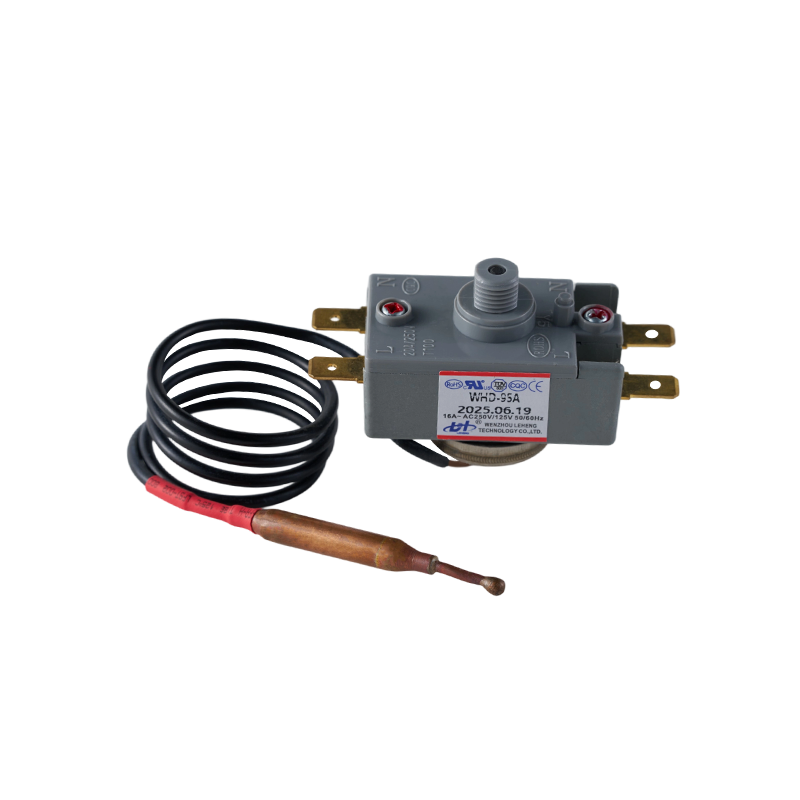
Industrial heating systems often operate under continuous thermal load conditions, where stable temperature control and safety interruption functions are important for equipment protection. In many setups, a Manual Reset Capillary Thermostat is used as a safety device that interrupts power when abnormal temperature levels are detected. After triggering, the system requires a manual reset before restarting, which helps ensure that the cause of overheating is reviewed before continued operation.
In industrial environments, heating equipment may face long operating cycles, uneven heat distribution, and varying load conditions. These factors make reliable thermal protection an essential part of system design.
Safety Function of Manual Reset Capillary Thermostat
A Manual Reset Capillary Thermostat is designed primarily as a safety limiter rather than a regular temperature controller. When the temperature exceeds a preset limit, the internal mechanism disconnects the circuit and keeps it in a tripped state.
The manual reset function requires physical intervention to restore operation. This design helps prevent automatic restart after overheating, which could otherwise cause repeated stress on equipment or hidden faults remaining unresolved.
This type of control is widely used in systems where thermal events may indicate abnormal working conditions that require inspection before restarting.
Industrial Heating Applications
Manual reset capillary thermostats are used in multiple industrial heating environments where a safety shutdown is required.
Industrial Ovens
In heating chambers used for processing materials, temperature stability is essential. If airflow is blocked or control systems fail, overheating may occur. The thermostat ensures the system does not resume automatically after such events.
Boilers and Heating Units
Boiler systems operate under high thermal load. A manual reset device helps prevent continuous operation after an abnormal temperature rise, allowing maintenance checks before restarting.
Heat Processing Equipment
In thermal treatment processes, temperature accuracy is important for material quality. Capillary sensing allows remote temperature detection while maintaining reliable shutdown behavior.
Chemical Heating Systems
Chemical processes may involve sensitive reactions. Safety thermostats help reduce risk by interrupting heating when temperature limits are exceeded.
Capillary Structure and Its Function
The capillary tube connects the sensing bulb to the control unit, allowing temperature measurement at a distance. This structure is useful in equipment where direct mounting near the heat source is not practical.
Key advantages include:
Flexible installation layout
- Remote sensing capability
- Reduced stress on switching components
- Better adaptation to complex equipment structure
This design is especially suitable for industrial heating systems with space limitations or uneven temperature distribution.
Importance of Manual Reset Mechanism
The manual reset feature ensures that after a thermal trip, the system does not restart automatically. Instead, it requires human confirmation before resuming operation.
This helps ensure that potential issues such as airflow blockage, overheating of components, or system malfunction are checked before restarting.
In many industrial cases, this function serves as a safety checkpoint rather than just a control feature.
Application Areas in Industry
Typical application environments include:
- Thermal processing ovens
- Boiler and steam heating systems
- Industrial dryers
- Chemical heating tanks
- Food processing heating equipment
These systems often require reliable cutoff protection to avoid repeated overheating cycles.
Selection Considerations
When choosing a Manual Reset Capillary Thermostat, several factors are usually evaluated:
Temperature Range
The device must match system operating conditions and safety limits.
Electrical Capacity
The load rating should be suitable for the heating equipment to ensure stable switching performance.
Capillary Length
Proper sensing position depends on tube length and installation layout.
Reset Accessibility
The reset mechanism should be accessible while still protected from accidental operation.
Behavior During Overheat Events
When the temperature exceeds the defined threshold, the thermostat disconnects the electrical circuit. Even after the temperature drops, the system remains off until a manual reset is performed.
This behavior prevents automatic restart after abnormal thermal conditions, ensuring that equipment is not continuously operated without inspection.
Maintenance Considerations
Regular inspection helps maintain stable performance. Common checks include:
- Capillary tube condition
- Reset button movement
- Electrical continuity testing
- Sensor placement stability
Proper maintenance ensures reliable operation during thermal events.
System Integration Role
In modern industrial heating systems, manual reset thermostats are often used alongside electronic controllers. While digital systems handle temperature regulation, mechanical thermostats provide independent safety protection.
This combination allows systems to maintain both operational control and safety backup functionality.
Industrial heating systems require reliable thermal protection to reduce operational risks and maintain equipment stability. A Manual Reset Capillary Thermostat provides a safety interruption function that requires manual confirmation before restart, helping ensure that abnormal temperature events are properly reviewed before continued operation.
OUR PRODUCTS
Recommended Products


PLEASE LEAVE YOUR SPECIFIC REQUIREMENT

QUICK LINKS
PRODUCTS
CONTACT
-
+86-15957748531
+86-15558959105
+86-19588099846
+86-18815077137 -
jilly@wzleh.com
east@wzleh.com
scott@wzleh.com
kim@wzleh.com
ADDRESS
- STI Park #B-2, Hongqiao Yueqing City, Zhejiang, China, 325608


Leheng Thermostat Factory
Copyright © Wenzhou Leheng Technology Co., Ltd. All Rights Reserved.