


 English
 Türk
Türk
SEARCH
HOT PRODUCTS
Newsletter
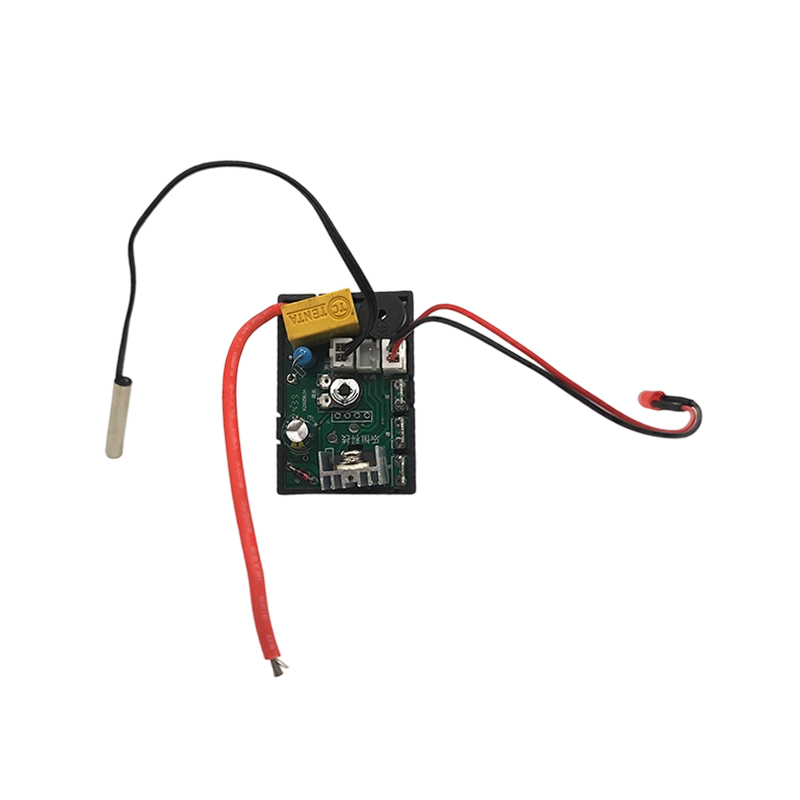
Thermostat for Water Cooler: Key Temperature Settings and Safety Functions
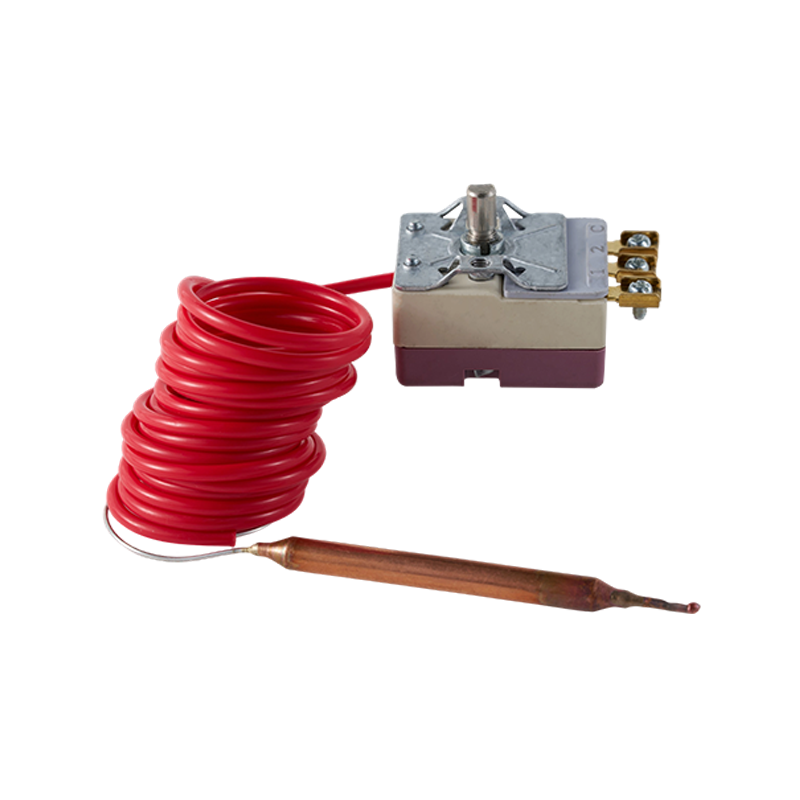
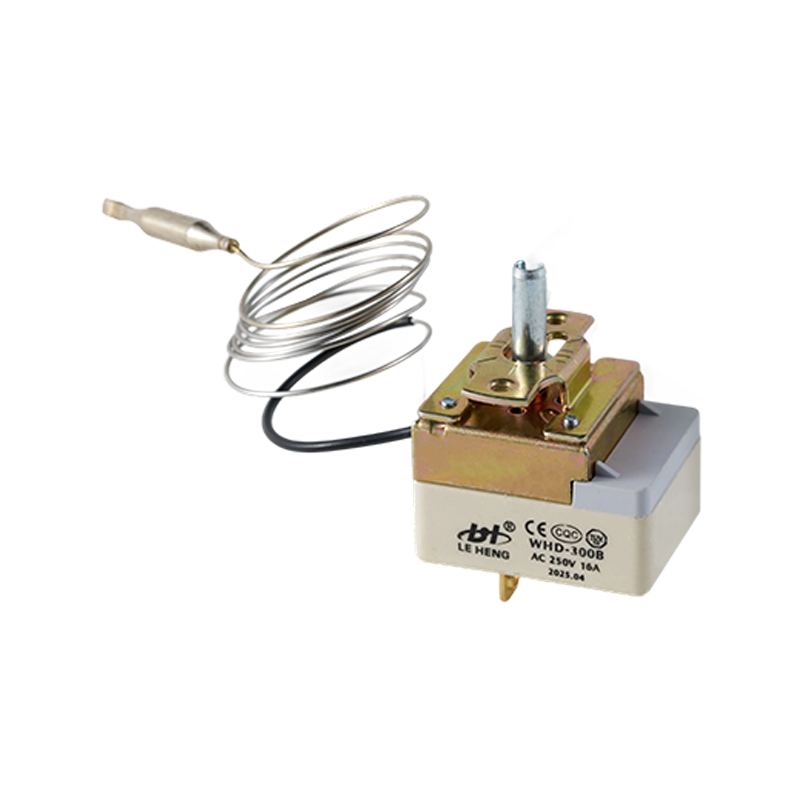
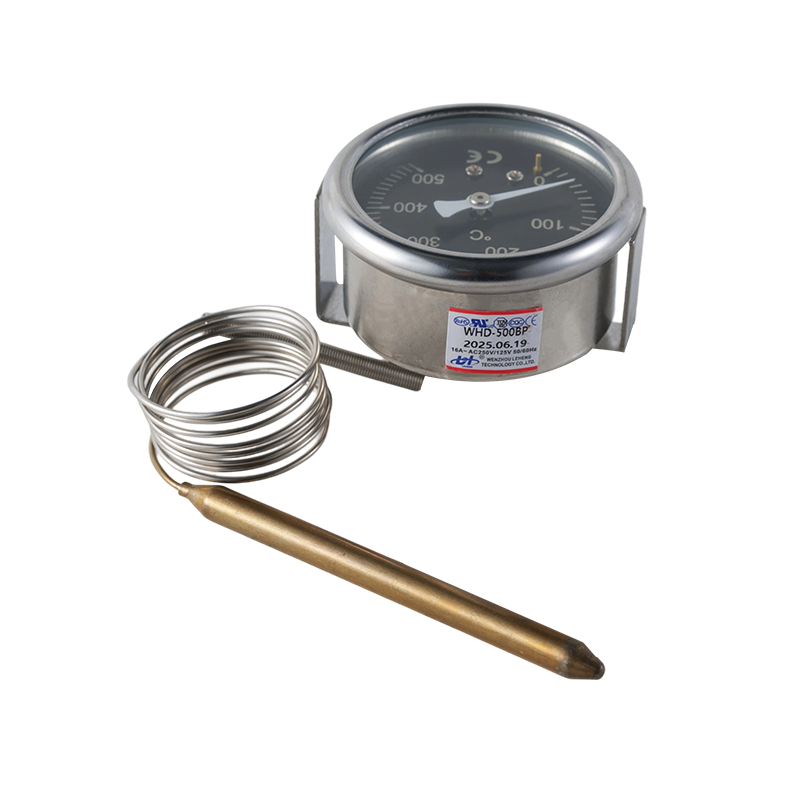
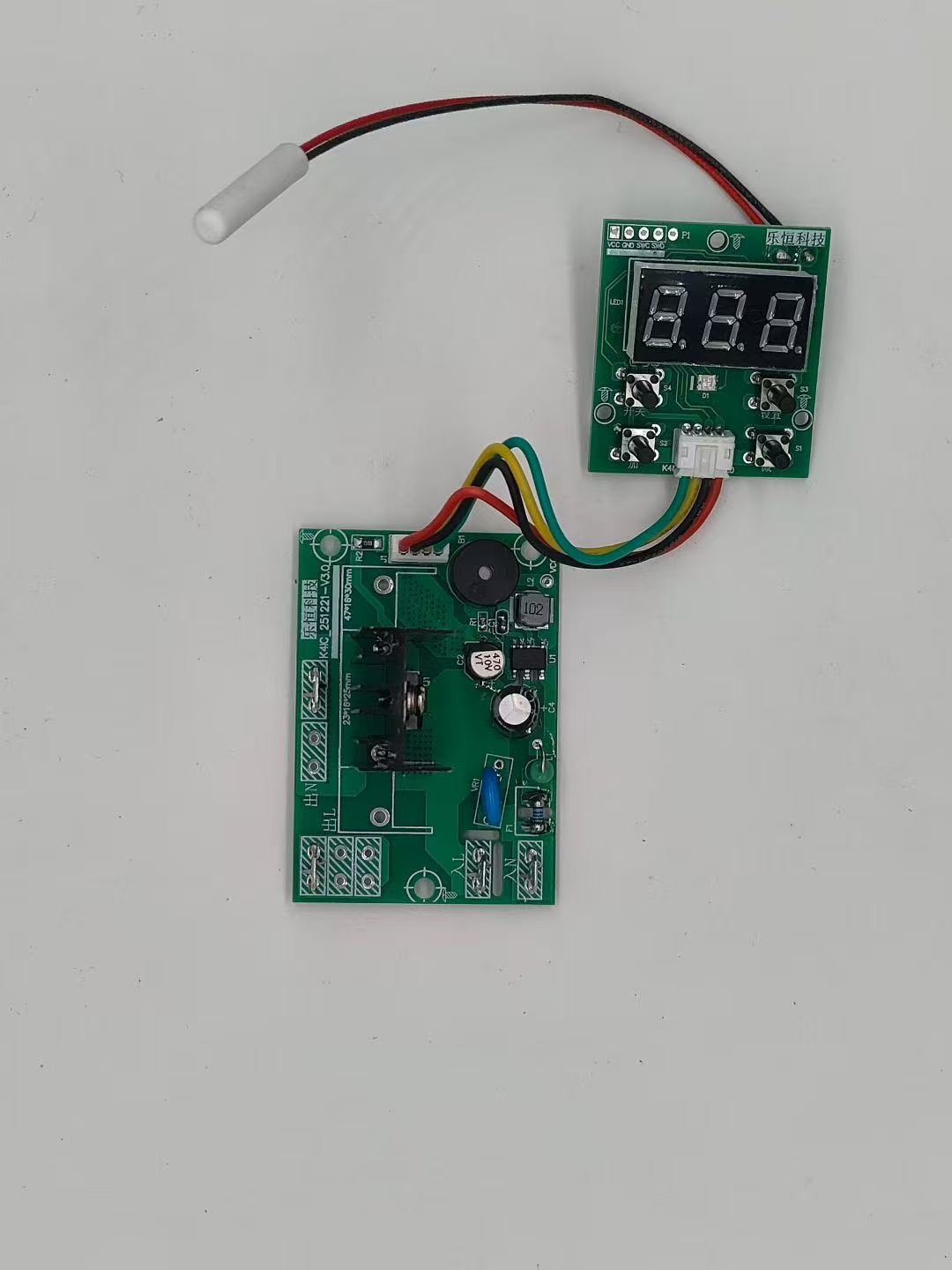
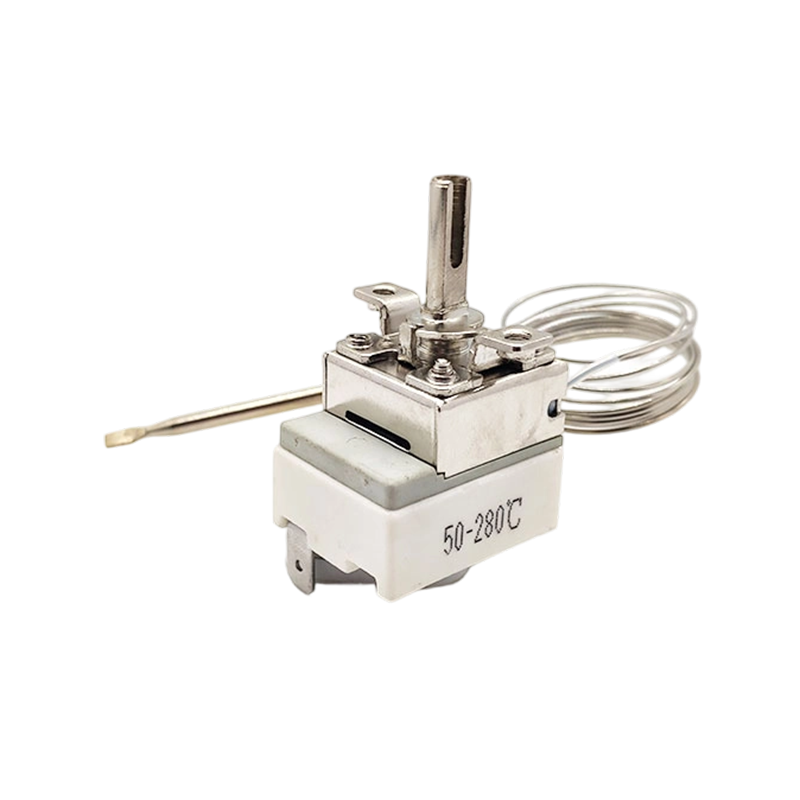
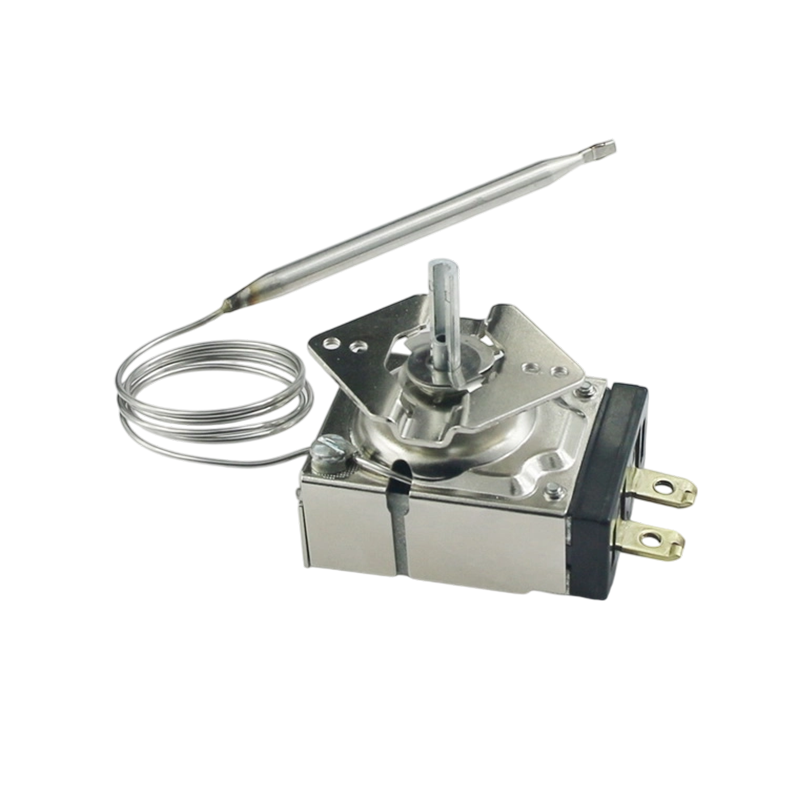
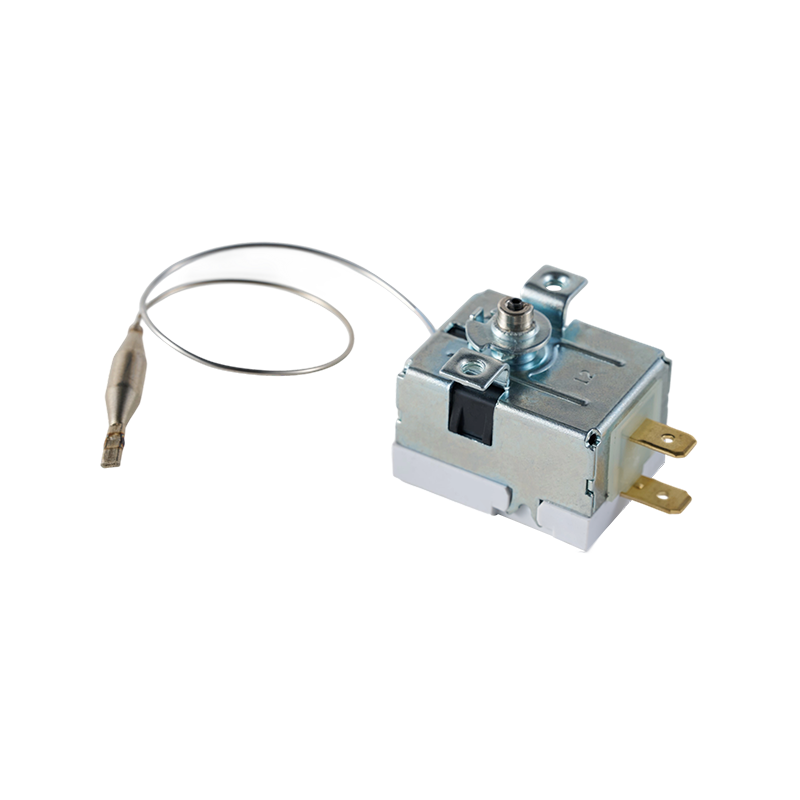
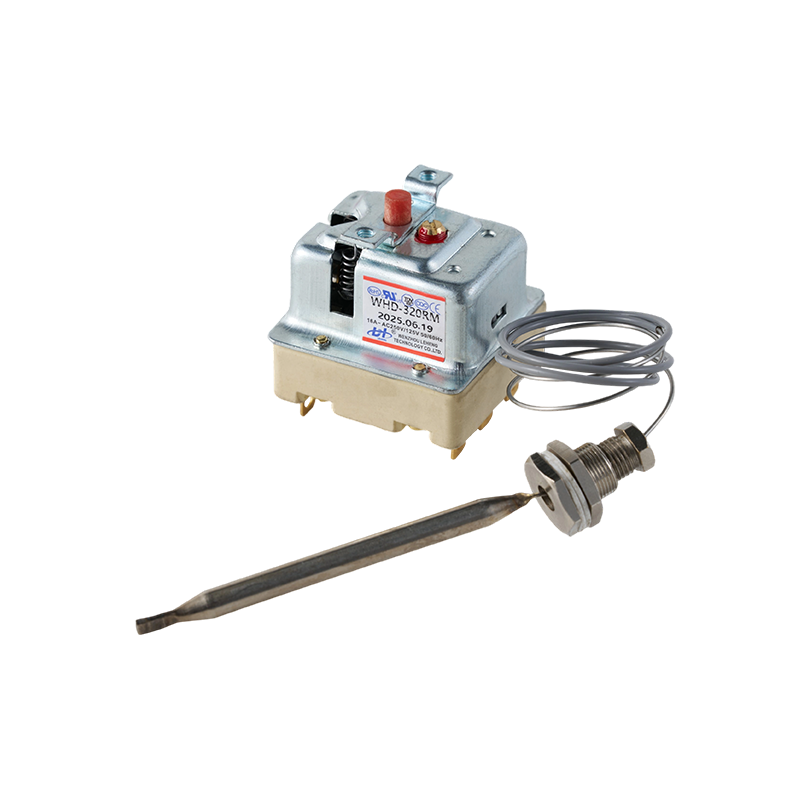
A water cooler is commonly used in homes, offices, and public environments where people expect convenient access to hot and cold drinking water. One important component that supports stable operation is the thermostat for the water cooler. This component regulates the temperature of both heating and cooling systems so that the water dispenser can provide consistent performance during daily use. Proper temperature settings and reliable safety features help maintain comfortable water temperatures while also protecting the internal parts of the appliance.
Understanding Temperature Settings in Water Coolers
Water coolers typically provide two main functions: hot water for beverages and cold water for refreshing drinks. Each function requires different temperature ranges. The thermostat monitors internal temperature conditions and activates heating or cooling processes when necessary.
For cold water, the thermostat works together with the cooling system to maintain a refreshing temperature. When the temperature inside the cooling tank rises beyond the preset range, the thermostat triggers the cooling system to restore the desired level. When the temperature drops to the target point, the thermostat stops the cooling process to prevent unnecessary energy use.
Hot water requires a separate control process. The thermostat monitors the heating tank and ensures that the water remains hot enough for common uses such as tea or instant beverages. Once the water temperature reaches the desired level, the thermostat disconnects the heating element to prevent overheating.
How Thermostats Maintain Stable Temperature
The thermostat relies on temperature-sensing components to detect changes within the water cooler. When water temperature changes due to usage or environmental conditions, the thermostat responds automatically.
In a typical cycle, the thermostat constantly measures temperature conditions within the heating or cooling chamber. If the temperature moves outside the preset range, the thermostat activates the appropriate system. After the target temperature is reached, the thermostat stops the process and waits for the next change.
This automatic cycle allows the water cooler to maintain a stable water temperature without requiring manual adjustment during normal use.
Safety Functions in Water Cooler Thermostats
Beyond temperature regulation, safety functions are an important aspect of thermostat design. These features help prevent damage to the appliance and reduce potential safety risks during operation.
One common safety feature is overheating protection. If the water temperature increases beyond a safe level due to a malfunction or abnormal conditions, the thermostat disconnects the heating circuit. This prevents damage to internal components and reduces the chance of excessive heat accumulation.
Another safety function involves automatic shut-off during abnormal conditions. When sensors detect unexpected temperature changes or irregular operation, the thermostat interrupts the power supply to the heating system.
Dry heating protection is another useful feature. If the heating tank does not contain sufficient water, the thermostat can prevent the heating element from operating. This reduces the risk of overheating when the tank is empty.
Benefits of Correct Temperature Adjustment
Appropriate temperature settings improve user comfort and support efficient operation of the water cooler. Stable cooling temperatures ensure refreshing drinking water throughout the day, while consistent heating temperatures support beverage preparation.
Correct thermostat operation also supports the longevity of the appliance. When heating and cooling systems run only when necessary, mechanical components experience less strain during operation. This balanced operation helps maintain stable performance over time.
Maintenance Considerations
Regular inspection of the thermostat function can help maintain reliable operation. Users can check whether the water temperature remains stable and observe whether heating and cooling cycles operate normally. If temperature fluctuations appear frequently, the thermostat or related components may require inspection.
Cleaning and maintaining the surrounding components of the water cooler also contribute to stable thermostat performance. Dust accumulation or restricted airflow can influence temperature regulation in some systems.
The thermostat plays a critical role in maintaining temperature stability and supporting safe operation in water coolers. By regulating heating and cooling processes and providing protective functions such as overheating control and automatic shut-off, the thermostat helps ensure reliable water temperature for everyday use. Proper adjustment and regular maintenance help maintain consistent performance and extend the working life of the appliance.


PLEASE LEAVE YOUR SPECIFIC REQUIREMENT

QUICK LINKS
PRODUCTS
CONTACT
-
+86-15957748531
+86-15558959105
+86-19588099846
+86-18815077137 -
jilly@wzleh.com
east@wzleh.com
scott@wzleh.com
kim@wzleh.com
ADDRESS
- STI Park #B-2, Hongqiao Yueqing City, Zhejiang, China, 325608


Leheng Thermostat Factory
Copyright © Wenzhou Leheng Technology Co., Ltd. All Rights Reserved.