


 English
 Türk
SEARCH
HOT PRODUCTS
Newsletter
Adjustable Capillary Thermostat Brings Setpoint Control to Equipment Panels
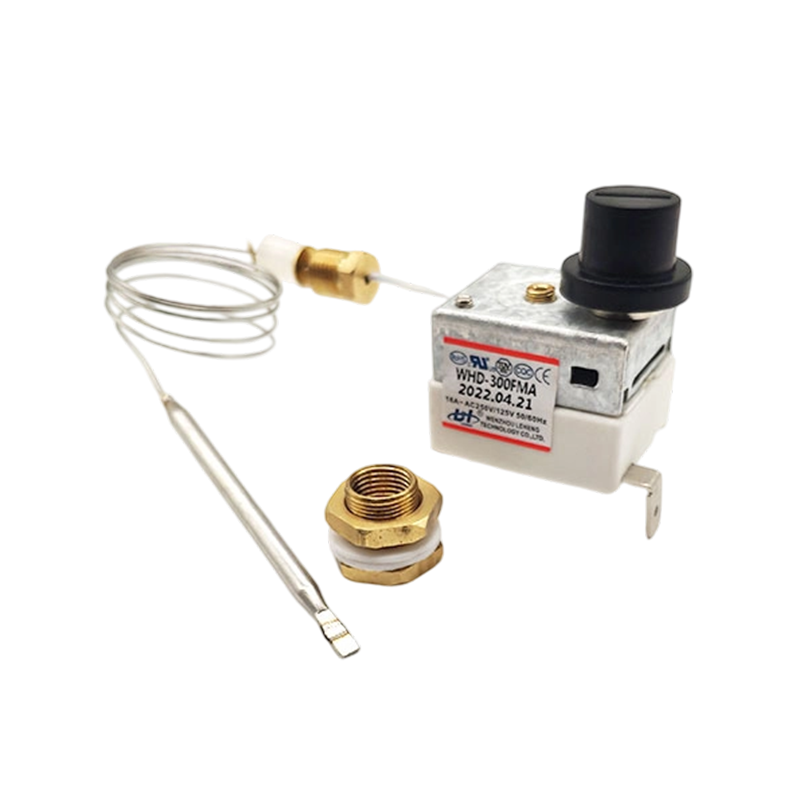
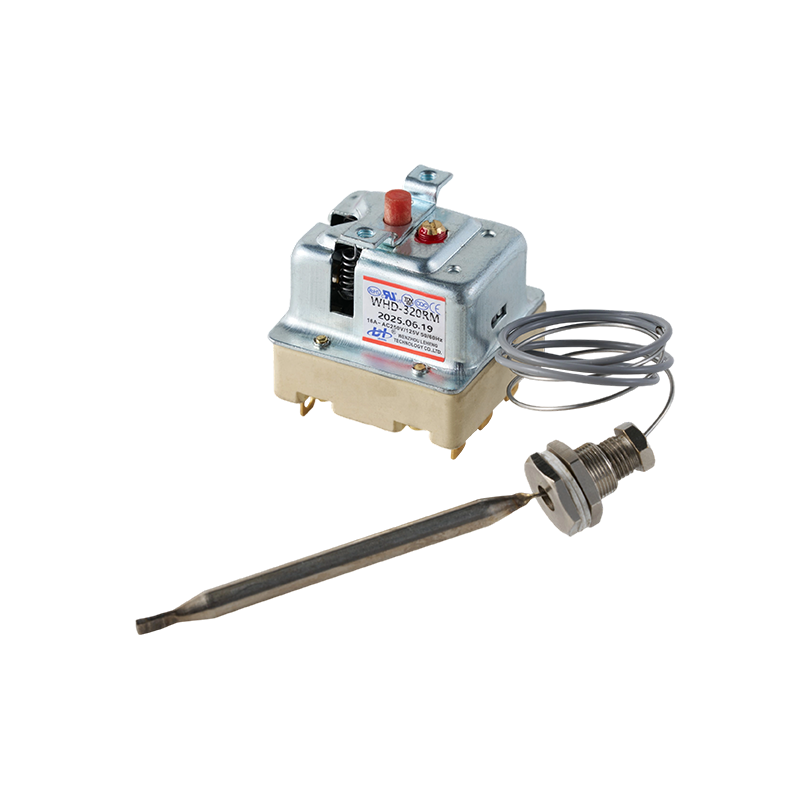
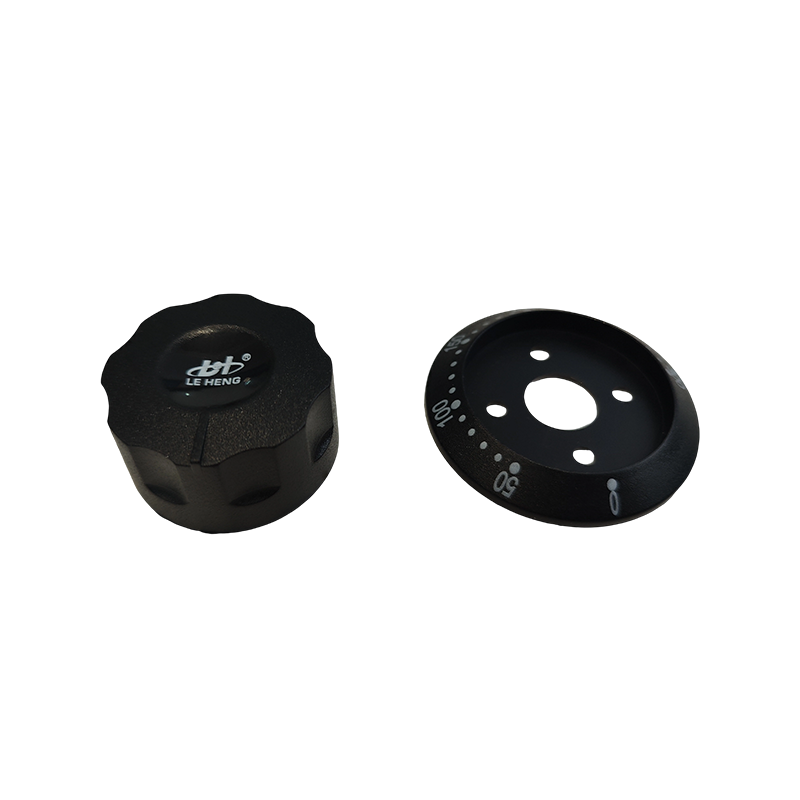
In commercial heating, a selected temperature needs to produce a repeatable operating cycle. Fryers, ovens, warming buckets, and honey tanks need controls linking operator settings to sensed temperature. An Adjustable Capillary Thermostat provides this function through a bulb, capillary tube, switch mechanism, and manual knob. WHD-S pairs a black Bakelite graduated dial panel with its knob for direct panel assembly.
Temperature Settings Begin With the Process
Food preparation and heating tasks require different working temperatures. Oil in a fryer, a baking chamber, and a honey tank have different operating conditions. Equipment makers need an adjustment range that covers the intended process and lets operators select a suitable setting. This is mechanical temperature regulation: controlling normal heating rather than responding only to an abnormal condition.
The WHD-S range is 50°C to 300°C. An Adjustable Capillary Thermostat can serve different tasks when the machine's working temperatures fall within this range. A graduated dial panel gives operators a visible reference for selecting a setting and returning to a familiar position during repeat runs. Its scale should match the thermostat specification; it is not a digital readout.
The Front Panel Shapes Daily Operation
The knob and scale are the parts users handle. With the WHD-S, the black bakelite dial panel and knob are supplied together for direct assembly onto the equipment panel. The Adjustable Capillary Thermostat is therefore specified together with the panel, not as an isolated switch.
Mounting-hole position, shaft alignment, panel thickness, hand clearance, and marking visibility affect adjustment. A graduated dial panel should be readable from the normal working position and kept clear of nearby switches. A consistent front-panel control set across related machines makes operation and servicing more familiar.
The Sensing Point Can Sit Away From the Knob

A capillary thermostat separates temperature sensing from user adjustment. The bulb can be placed near the heated area, while the switch body and knob remain on an accessible panel. The capillary tube connects the two positions, giving equipment designers more freedom when arranging the heater and controls.
This is useful in commercial kitchen equipment with a deep chamber, oil tank, heating plate, or enclosed warming space. The bulb should monitor the temperature relevant to the process, and the capillary should not be crushed or sharply bent. An Adjustable Capillary Thermostat must be matched to the machine layout, not chosen by knob appearance alone.
One Control Principle Covers Different Heating Tasks
Electric fryers, pizza ovens, soup kettles, waffle makers, cake machines, and honey heating tanks may require adjustable heat control. Similar requirements appear in PPR pipe welding tools, small drying ovens, incubators, mold-heating plates, and oil-bath equipment. Their layouts differ, but operators still need to set the normal working temperature.
For commercial kitchen equipment, the WHD-S is intended for applications where settings change with the task. Its listed electrical rating is 20A at 250V, so buyers should compare the heater load with the thermostat rating and check whether an external switching device is required. Mechanical temperature regulation suits processes where a manually selected setting is sufficient. The Adjustable Capillary Thermostat is the working control in this arrangement.
Working Regulation and Safety Limiting Have Different Jobs
An Adjustable Capillary Thermostat controls normal heating. As the bulb responds to temperature changes, the switch cycles the heater around the selected setting. This is routine mechanical temperature regulation: the equipment heats and pauses during ordinary use.
A manual-reset limit thermostat has a different role. It interrupts the circuit when a separate safety threshold is exceeded and requires a person to reset it after checking the cause. Some machines use both devices: the adjustable thermostat manages working temperature, while an independent limiter provides additional protection. This separation keeps normal control distinct from safety limiting.
Consistency Matters Across Repeat Production
For manufacturers producing several versions of an appliance, the thermostat, knob, dial, and panel opening need to remain compatible. Changes in scale position, shaft alignment, or mounting dimensions can make the interface inconsistent even when the heating system is unchanged.
A graduated dial panel should match the thermostat specification and be checked after assembly. Its markings provide a setting reference; they do not replace checking actual temperature under representative loads. A consistent front-panel control set helps keep operation familiar across related models. This is useful when the same Adjustable Capillary Thermostat is integrated into more than one appliance configuration.
For commercial kitchen equipment, buyers should review heater load, sensing location, capillary route, switch rating, and mounting arrangement together. The WHD-S requires mechanical temperature regulation to be specified alongside these installation details. An Adjustable Capillary Thermostat is useful when the details are agreed during equipment development. The WHD-S front-panel control set integrates the dial and knob into that process.
OUR PRODUCTS
Recommended Products

PLEASE LEAVE YOUR SPECIFIC REQUIREMENT

QUICK LINKS
PRODUCTS
CONTACT
-
+86-15957748531
+86-15558959105
+86-19588099846
+86-18815077137 -
jilly@wzleh.com
east@wzleh.com
scott@wzleh.com
kim@wzleh.com
ADDRESS
- STI Park #B-2, Hongqiao Yueqing City, Zhejiang, China, 325608


Leheng Thermostat Factory
Copyright © Wenzhou Leheng Technology Co., Ltd. All Rights Reserved.